
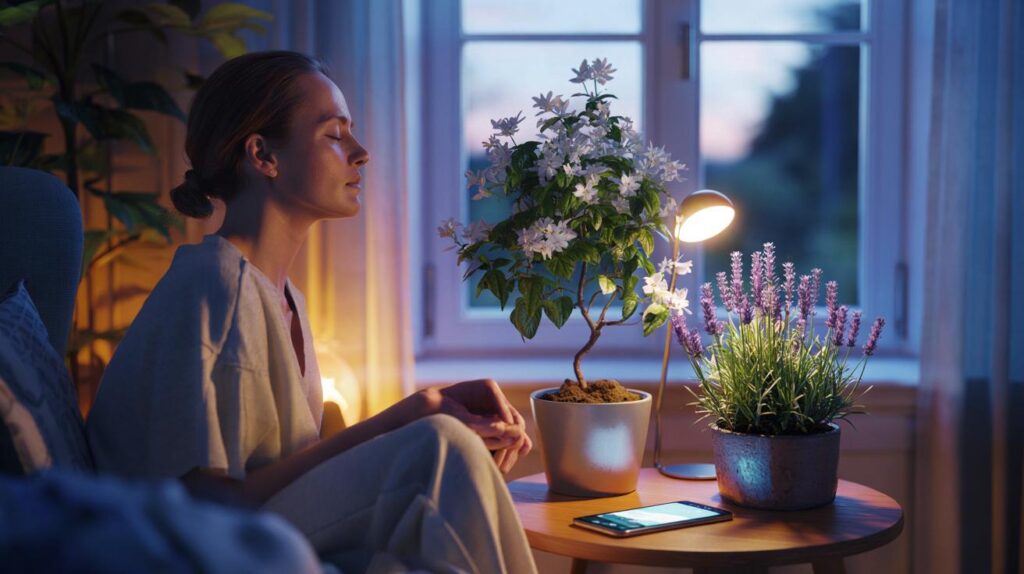
You close the window, the noise fades, yet your head still hums. A small scented shrub may change that tonight.
The darkening evenings push many households back indoors, where stale rooms and busy brains collide. A humble houseplant with a soft, clean fragrance now takes centre stage in living rooms and on window sills, promising a calmer mood and a fresher feel without gadgets or pills.
Why stress climbs as the nights draw in
Autumn compresses life. Work ramps up, inboxes multiply, and daylight shrinks. Screens glow late. Sleep frays. Many people reach for quick fixes. Few address the room they spend most time in: the air, the light, the quiet. This is where a resilient, scented plant earns its keep.
Screens, schedules and stale air
Long days lock you to alerts and deadlines. Evenings bring chores, not recovery. With windows shut against the chill, indoor air grows dull. That trifecta fuels tension, headaches and irritable moods. A targeted change to your space can loosen that knot faster than yet another app.
What chronic stress does to your body
Stress pushes your system into high gear. Muscles tighten. Heart rate creeps up. Sleep quality drops. The knock-on effect hits immunity and motivation. Small, consistent habits reverse this drift. A scent-led routine works because it anchors breath, attention and pacing at the same time.
Houseplants move from decor to daily care
You no longer buy plants only for style. You buy them to change how a room feels. Two familiar names now stand out for autumn and winter: jasmine and lavender. Each brings a steadying scent and a practical indoor role when fresh air is scarce.
A quiet revival of scented remedies
Grandparents often kept sachets and bunches by the bed. Today’s flats and terraces swap those for living pots. The aim stays the same: nudge the nervous system towards calm with a clean, natural aroma that asks little from you.
Two candidates with a hidden edge
Jasmine offers a gentle, night-leaning fragrance from tight clusters of starry blooms. Lavender gives a dry, herbaceous note that settles the mind. Both suit small spaces, both tolerate cool rooms, and both make a routine easier to keep because they sit in plain sight.
Jasmine or lavender: the scent that steadies your head
Smell talks quickly to the brain regions that govern emotion and arousal. A few slow breaths beside a flowering jasmine or a compact lavender plant often soften racing thoughts. The ritual matters as much as the molecules: you pause, you inhale, you reset.
Ten slow breaths by a scented plant before bed can lower the day’s noise and smooth your transition to sleep.
How aroma nudges the nervous system
Both plants release natural compounds that shape how you feel about a space. Jasmine leans floral. Lavender leans green and clean. The signal reaches your limbic centres in seconds. You land in your body faster. Your chest loosens. Your shoulders drop. Your breath deepens.
The double act: calmer mood, cleaner air
Calm helps, but air matters too. In sealed rooms, everyday products release low levels of volatile compounds. While no plant replaces ventilation, well-chosen pots support a fresher indoor mix and encourage you to open windows on short bursts through the day.
What these plants can stand to tackle indoors
Tests on plant–substrate systems show potential to lower trace levels of common indoor compounds. Real homes vary widely, so treat the effect as a bonus, not a guarantee. Place plants where air circulates and dust the leaves weekly.
| Plant | Notable aroma | Best spot | Light need | Pet caution | Practical note |
|---|---|---|---|---|---|
| Jasmine (indoor varieties) | Soft, floral, stronger at dusk | Bright window, cool room | Bright, indirect | Keep out of chewing range | Train on a small hoop to save space |
| Lavender (dwarf types) | Clean, herbaceous, steady | Sunny sill, good airflow | Full sun if possible | Avoid ingestion by pets | Let soil dry slightly between waterings |
Think of scented plants as gentle air allies: low-cost, low-energy, and always on when you are at home.
Turn a room into a calmer corner
You do not need a design overhaul. A pot, a chair, and a small lamp will do. Set them where you actually pause: by the kettle, near your reading spot, or beside your side of the bed.
Choosing and placing your plant
- Pick jasmine with tight buds or a dwarf lavender already in light bloom.
- Check for a strong, pleasant scent at the shop before you buy.
- Place it at nose height within arm’s reach of where you sit in the evening.
- Keep it away from cold draughts and hot radiators to protect the aroma.
- Dust leaves weekly to keep both scent and air contact consistent.
A three-step evening routine
- Step 1: switch your phone to silent for 15 minutes and dim the nearest lamp.
- Step 2: sit by the plant, breathe in for four counts, out for six, ten cycles.
- Step 3: note one worry on paper, park it for tomorrow, then head to bed.
Consistency beats intensity: 15 calm minutes every night for two weeks often feels like opening a window inside your head.
Limits, risks and sensible care
Scented plants help many, but not everyone. If you react to pollen or strong aromas, keep distance and short sessions. If you have toddlers or curious pets, raise the pot out of reach and choose sturdy containers.
Who should take extra care
- People with fragrance sensitivities: use shorter sessions and better airflow.
- Families with pets: prevent chewing and monitor for stomach upset.
- Light sleepers: avoid overpowering scent right beside the pillow.
Maintenance that keeps benefits coming
- Water sparingly; soggy soil dulls scent and invites mould.
- Give plants a bright window; weak light reduces bloom and aroma.
- Rotate the pot weekly for even growth and safer, stable stems.
- Prune lightly after flowering to keep a compact, apartment-friendly shape.
Extra context for readers
Living plants differ from bottled oils. A plant releases a gentler, shifting aroma over hours, while oils hit hard and fast. If oils give you a headache, a small jasmine or lavender often lands softer and lasts longer. You can also pair a plant with short ventilation bursts and a simple HEPA room filter on low to lift the overall feel of your air without noise or high bills.
Budget helps. A starter pot costs about £9–£15, compost £4, and a basic ceramic cover pot £6–£10. That single outlay supports months of small wins: steadier evenings, a tidier sleep routine, and a cleaner-smelling room. For a practical trial, run a 14‑day plan: same seat, same time, same breathing pattern. Track your bedtime and wake-ups. If you notice easier settling or fewer awakenings, keep the habit. If not, move the plant, adjust light, and shorten sessions until it fits your space and your nose.



Tried the 10 slow breaths next to a jasmine tonight and I definitley felt my shoulders drop. Any tips to keep it blooming in a chilly, dim UK flat?