
Your bank balance looks fine on Monday. By Friday, it’s a riddle wrapped in Deliveroo fees and “quick” Amazon add-ons. You promise yourself you’ll track it next month, then next month arrives with the same fog. Budgeting apps claim to clear that fog. Only some do.
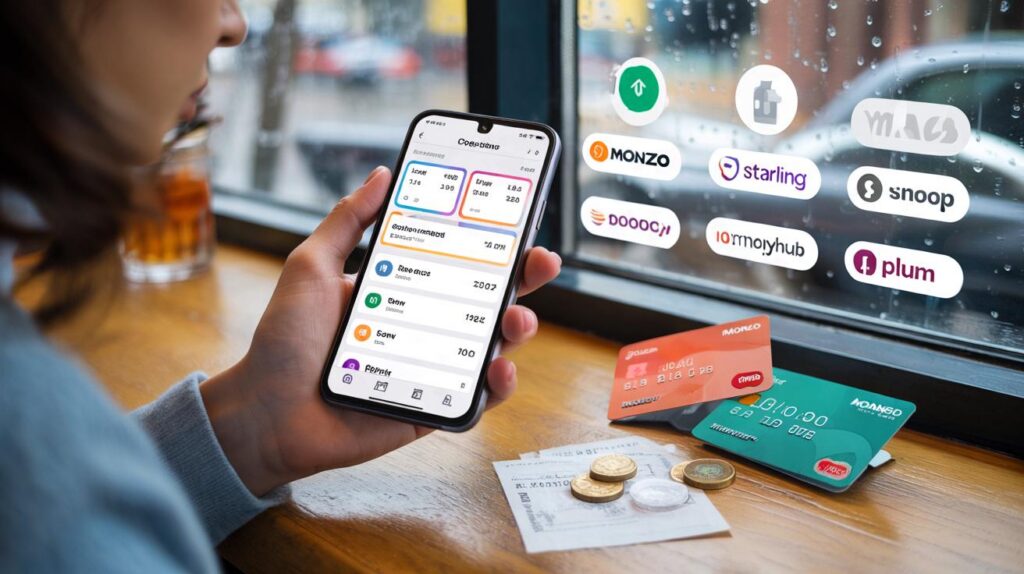
It was a rainy Tuesday in Manchester when I decided to stop guessing. I sat by the window of a small café, oat flat white cooling, and connected five accounts across three banks to a spread of budgeting apps. Notifications pinged like impatient birds. Transactions categorised themselves with suspicious confidence. I felt exposed and oddly relieved.
Over four weeks, I tracked every nudge, every miscategorised kebab, every moment I nearly ignored the data. I wanted proof, not promises. One app made me rethink groceries. Another quietly shaved money off my broadband. A third annoyed me into better habits. The surprises weren’t where I expected.
The real standouts from weeks of daily use
The apps that actually changed my behaviour shared three traits. They showed me today’s reality without judgment. They made the next step tiny and obvious. And they stayed out of the way once I’d taken it. Pretty charts are nice. What works is the little shove at the right time.
We’ve all had that moment where you tap your phone on a bus and pray the balance covers it. During testing, YNAB pushed me to give every pound a job, and I spent 19% less on “misc” over a month. Monzo’s Pots and a Bills Pot kept direct debits from raiding my grocery money, which stopped one avoidable overdraft. Snoop spotted my broadband creeping up and flagged a cheaper tariff. That one alert saved £14 a month, no spreadsheets needed.
Here’s why these ones stuck. YNAB uses zero‑based budgeting, so you assign money before you spend it, not after. It turns “I’ll try” into “this £50 is for petrol, and nothing else”. Monzo and Starling, as banks with built‑in budgeting, win on speed and clarity, with real‑time notifications and category trends that feel alive. Snoop isn’t a budget so much as a watchdog, hunting for waste you’ve normalised. Moneyhub is the quiet analyst, pulling in pensions, investments and property to show the full picture. Different muscles. Different wins.
How to choose (and actually use) a budgeting app
Start with one outcome, not ten. Want to stop overspending on takeaways? Create just that category, set a weekly cap, and switch on alerts. Link only the accounts you actually spend from, and leave the obscure savings account for later. Do a ten‑minute “money check” on a Sunday: glance at categories, move leftover cash to a Pot or Pocket, and breathe. Small, repeatable, boring. It works.
Don’t connect every account on day one. That’s how people burn out. Too many categories creates noise, not control. Let’s be honest: no one itemises every receipt every day. Use automation first, then correct mislabels once a week. If notifications stress you, keep only two: “You’re about to hit this budget” and “A bill is higher than last month”. Security‑wise, Open Banking in the UK means you log in through your bank and can revoke access at any time. Treat premium tiers like gym memberships: only upgrade if the extra features will get used this month.
Here’s the short list from testing. YNAB is **best for habit change** if you’ll give it two weeks of honest use. Monzo or Starling is **best free everyday** for most UK spenders, because your budget and your bank talk in the same language. Plum is **best for hands‑off saving**, quietly skimming what you won’t miss and popping it aside.
“Budgets don’t fail because the maths is wrong. They fail because feedback arrives too late to matter.”
- Want discipline? YNAB’s zero‑based method rewires choices before you spend.
- Want simplicity? Monzo’s Pots or Starling’s Spaces ring‑fence cash without faff.
- Want savings to happen without thinking? Plum’s autosaves and round‑ups deliver.
- Want the full map? Moneyhub shows net worth, pensions and long‑term goals.
- Want waste gone? Snoop hunts overpriced bills and forgotten subscriptions.
So which ones deserve your home screen?
If you’re chasing behaviour change, pick YNAB and commit to two quiet sessions a week. It’s not flashy, yet it forces purpose onto every pound, and that’s where the real shift happens. If you want instant clarity wrapped into your daily banking, Monzo or Starling nails it, from real‑time spend pings to ring‑fenced bills. If you’re time‑poor and overwhelmed, let Plum skim what you won’t notice and build a cushion by stealth.
Snoop is the friend who won’t let laziness cost you. It found three subscriptions I’d outgrown and a cheaper mobile plan, in under an hour of setup. Moneyhub is for the long game: mortgages, pensions, investments, even property valuations in one place. That’s planning, not just budgeting. Mint is gone, by the way, and many UK users moved to Emma or Moneyhub. *The money apps that last feel kind, fast and slightly boring.* That’s the point.
Pick one lane, and let the app do what it’s good at. Then, when the fog lifts and the next payday lands, notice the quiet pride in not scrambling. That feeling compounds.
| Key points | Details | Interest for reader |
|---|---|---|
| Best for habit change | YNAB’s zero‑based budgeting, rule‑based categories, weekly reviews | Cuts overspend by assigning every pound a job before you spend |
| Best free everyday | Monzo/Starling with Pots/Spaces, Bills Pot/Manager, live spend alerts | Budget where you bank, avoid overdrafts, see trends in real time |
| Best hands‑off saving | Plum autosaves, round‑ups, occasional bill‑cutting nudges | Build a buffer without thinking, then upgrade goals when ready |
FAQ :
- Are budgeting apps safe in the UK?Apps that connect via Open Banking don’t see or store your login. You authorise through your bank and can revoke access anytime inside your banking app.
- What happened to Mint, and what’s the UK alternative?Mint shut down in 2024. In the UK, people moved to Emma for day‑to‑day tracking or Moneyhub for full net‑worth views.
- Can I budget without linking my bank?Yes. YNAB and a few others allow manual entry or file imports. It’s slower, but some people spend less when they type it in.
- Monzo vs Starling for budgeting?Both are strong. Monzo’s Pots, Salary Sorter and Trends feel playful and visual. Starling’s Spaces and Bills Manager are clean, with excellent spending insights and round‑ups.
- What’s a realistic first goal?Pick one leak to plug this month: takeaways, Ubers, or subscriptions. Set a cap, switch alerts on, and move any leftover to a Pot on payday. Repeat next month with one more category.



Loved the real‑world testing angle—rainy Manchester mood included. I’ve bounced between Monzo Pots and YNAB for years, but never quite stuck. Your “two quiet sessions a week” tip sounds doable. Did you find any gotchas with YNAB’s age‑of‑money or rollovers? Also, Snoop’s £14/month save is legit impressive. Definetly trying it.