
As nights draw in, thousands weigh up adding a four-legged companion. Home, hearts and habits face a gentle reset.
Adult-dog adoptions are creeping up as families seek steadier temperaments and shorter training curves. The switch can be smooth, yet the first decisions at home ripple for months. Here is what this season’s adopters are getting right—and where many slip—so your new arrival settles with less stress and more trust.
Why autumn adoptions are rising
Shorter days bring routine back. People travel less and spend more evenings indoors. Rescue centres say enquiries for adult dogs climb as households want predictable energy levels, smaller surprises and quicker integration with workdays. The trade-off is clear: you get maturity and manners, but you inherit history. Planning beats optimism.
The first 48 hours set the tone for the next 3 weeks. Calm beats spectacle, structure beats guesswork.
Set up a secure haven at home
Create a den that muffles noise
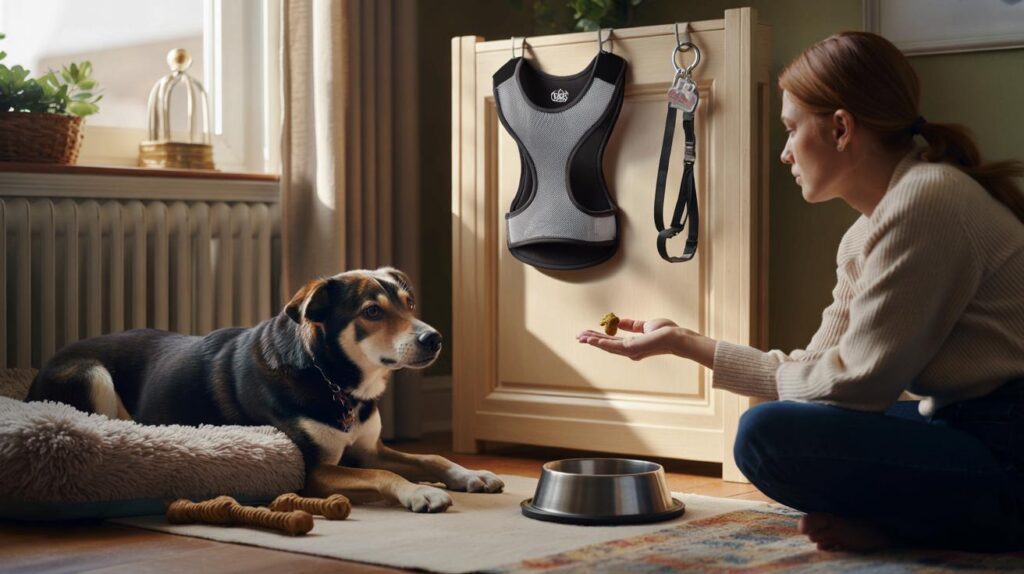
Pick a quiet corner away from doorways and through‑traffic. Place a bed that fits the dog’s body, not just the room. Add a blanket that smells familiar. Some dogs relax near gentle warmth; a bed by a radiator can help, if it’s not in a corridor.
Keep a bowl of fresh water within easy reach at all times. Offer two sturdy chew toys to redirect anxious licking or pacing. Remove clutter that blocks escape routes; an adult dog settles faster when it can choose where to lie.
Build a routine by day three
Set fixed times for meals, toilet breaks, walks and short play windows. Consistency reduces cortisol and shortens the adjustment curve. Start with quiet streets and repeat the same route for several days to anchor new smells and landmarks.
- 07:00 toilet break and breakfast
- 12:30 short sniff walk and water check
- 17:30 main walk with harness and ID tag
- 20:30 calm play or gentle grooming, then lights-down cue
Water, warmth, privacy and a predictable timetable do more for confidence than any fancy gadget.
Win trust step by step
Don’t force affection
Let the dog approach you. Sit sideways, keep your voice soft, and reward curiosity with a small treat from an open hand. Many adult dogs choose a watching spot on day one. Honour that choice. A “you can, not you must” attitude speeds bonding without pressure.
Walks that de-stress, not impress
Use a well‑fitted Y‑front harness and a two‑metre lead. For flight risks, add a second attachment point. Start with ten to fifteen minutes outside the house, then extend as your dog checks back and loosens its gait. Save the busy park. Familiarity first, novelty later.
Pair new sounds with food. Buses, wheelie bins and sirens become background when they predict chicken rather than worry.
Health checks you should not delay
Book the vet and chart the baseline
Arrange an appointment within the first week. Ask for a full review: microchip registration, vaccination status, dentition, skin, ears, weight and mobility. Note arthritic stiffness after rest; many middle‑aged dogs hide pain. Discuss parasite control and diet. Switch food slowly over seven to ten days to protect the gut.
Track sleep, appetite and stool quality in a simple notebook. Patterns tell you more than isolated incidents and help your vet tailor support as your dog decompresses.
Seven mistakes you’ll make in the first 48 hours
- Hosting a welcome party: multiple visitors overwhelm scent mapping and delay settling.
- Free roaming too soon: unmanaged access raises accidents and guarding risks.
- Over‑walking on day one: long hikes flood a stressed system; short sniff walks heal faster.
- Grabbing the collar: reaching over the head can trigger startle or defensive reactions.
- Skipping ID updates: an unregistered microchip or missing tag turns a bolt into a crisis.
- Changing food overnight: sudden switches invite diarrhoea and set back trust.
- Correcting anxiety with scolding: noise adds fear; distance, chewing and calm exits work better.
| Day | Focus | Why it matters |
|---|---|---|
| 1 | Quiet arrival, house tour on lead, water and rest | Prevents frantic pacing and anchors safe zones |
| 2 | Short repeat walks, treat‑for‑noise pairing | Builds predictability and lowers startle responses |
| 3 | Routine fixed, first training cue “name = treat” | Creates a reliable attention hook without pressure |
| 4–7 | Gradual exposure to one new place or person per day | Prevents stacking stress while widening the map |
Read the signals you can miss
Adult dogs speak with bodies long before they bark. Watch for these early flags and adjust the scene, not the dog:
- Ears pinned or swivelling: reduce volume, increase distance.
- Lip licking and yawning without sleep: offer a chew and a quieter room.
- Tense tail held mid‑height: shorten the session, add sniff breaks.
- Looking away, turning the head: end the interaction on a positive note.
- Refusing treats outside but taking them at home: lower outdoor demands and shorten walks.
Reinforcement works both ways: reward the behaviour you want, and design the environment to make it easy to choose.
What a vet visit can change this week
Several adult dogs arrive with hidden dental pain, ear infections or itchy skin that fuel reactivity. Address discomfort and behaviour often softens on its own. Ask about joint supplements for stiff movers, and check nails; long claws alter gait and mood. If your dog pants at night, consider pain relief trials under veterinary guidance.
Training that respects history
Keep sessions short—five minutes, twice a day. Teach two cues first: “name” for attention and “settle” on a mat. Use high‑value food and end before the dog zones out. Punishment stalls learning in newly rehomed adults. Positive reinforcement shifts emotion and delivers reliable habits.
The 3‑3‑3 guide to pace your expectations
Many adopters find this timeline useful. Three days to decompress, three weeks to learn the routine, three months to feel truly at home. Some dogs take longer. Patience, not pressure, unlocks progress.
Legal and practical checks you should tick off
- Microchip registered in your name and your address.
- Collar with tag showing surname and postcode.
- Third‑party liability via pet insurance or home cover endorsement.
- Lead near livestock and busy roads; keep recall training separate from traffic.
- Poo bags at every exit point; cleanliness lowers neighbour tension.
Money and time: plan before trouble starts
Budget for the first month: vet check and vaccinations, parasite control, insurance excess, harness and two leads, bed, two bowls, chews and slow‑feeder. Expect £250–£450 depending on size and kit. Add two hours per day for walks, training and decompression during the first fortnight. Time is the currency that buys trust.
If behaviour wobbles, change the picture
If your dog barks at visitors, move them outside and greet in the garden, then enter together. If mealtimes trigger guarding, feed behind a baby gate and drop extra food as you walk past. If sleep seems fragmented, shift the bed to a quieter corner and use white noise. Small environmental edits beat head‑to‑head battles.
Helpful extras for a smoother first month
Rotate toys every two days to keep interest high without over‑arousal. Use a scent‑based game—scatter four or five treats on a mat—to settle energy after walks. For rain‑soaked evenings, teach a simple trick such as a chin‑rest in your palm. This becomes a cooperative cue for vet checks and grooming.
Consider a calm‑dog meet in week two with one steady canine friend on neutral ground. Keep leads loose, walk in the same direction, and allow brief sniffs. End while both dogs still want more. Confidence grows when social time feels safe and short.



Definately the most practical rundown I’ve read—especially the first‑48‑hours bit. The “name = treat” cue is such a simple win. Thanks for the calm‑over‑spectacle reminder.
Is a Y‑front harness truly necessary if the dog doesn’t pull? I already own a snug H‑style; wondering if that’s safe enough for those cautious, 10–15 minute starter walks.