
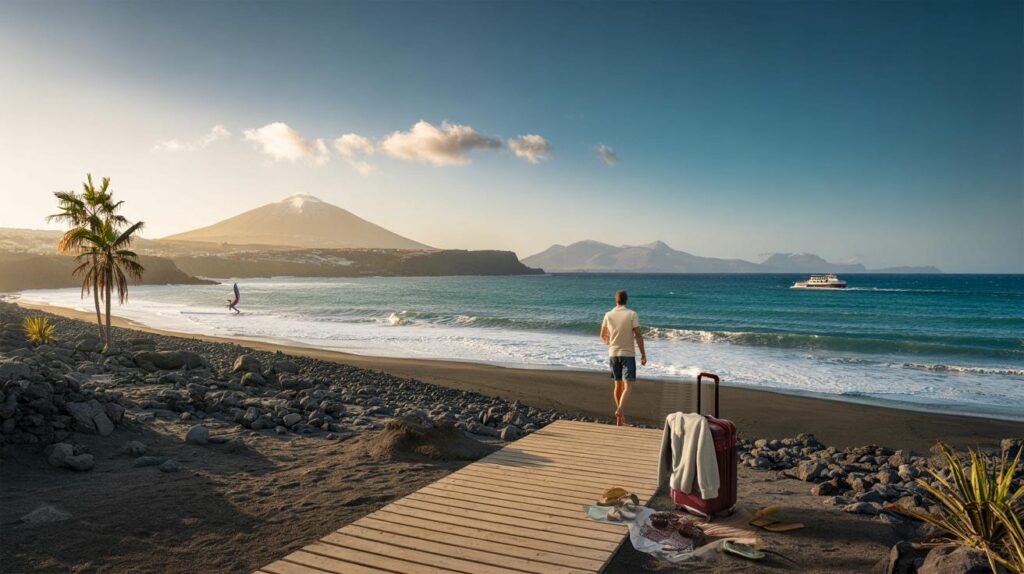
Grey mornings are back, heating bills rise, and inboxes ping. Yet a short-hop flight keeps beach days and blue skies alive.
Time Out has named Europe’s best bet for winter warmth, and it sits much closer than a long-haul escape. The verdict points south-west, where Atlantic breezes meet African latitudes and thermometers rarely dip into the teens.
Why the Canary Islands top the list
Time Out’s latest ranking crowns the Canary Islands as Europe’s most reliable winter-sun choice. The Spanish archipelago sits off north-west Africa, well below mainland Europe’s chill. That geography matters. Trade winds and the Canary Current soften temperatures, while Teide and other peaks shape microclimates that shelter beaches from cloud and rain.
Daytime temperatures commonly sit around 18–20c from November to February, with long, bright days and swimmable seas near 19–20c.
The islands also offer choice. Tenerife leads for breadth of resorts and flight options. Lanzarote draws nature fans with lava fields and otherworldly vineyards. Fuerteventura serves up consistent surf and wind for kites and sails. La Palma keeps things slow with laurel forests and quiet coves. Smaller neighbours — La Gomera, El Hierro, La Graciosa — up the tranquillity.
Eight islands, one short-haul flight, and a high chance you will spend Christmas week in a T-shirt.
How Tenerife, Lanzarote and Fuerteventura carve their niches
Tenerife: resorts, volcanoes and winter festivals
Tenerife handles the crowds because it caters for almost everyone. The south coast sees the most sunshine, with family-friendly beaches, accessible promenades and a dense hotel scene that keeps prices competitive outside school holidays. The north swaps big resorts for lusher slopes, black-sand bays and cultural pit-stops in La Laguna and Santa Cruz. Teide National Park adds drama, with lunar landscapes and crisp summit air that reminds you it is still winter above 2,000 metres.
Fuerteventura: winds, waves and watersports
If you travel for the sea, this is the place. Atlantic trades make for steady swells and reliable breeze. Beginners book lessons in sheltered lagoons near Corralejo or Costa Calma. Experienced riders chase reef breaks and downwind runs. Off the water, sandy plains, dunes and empty interiors make walks gentle and scenic. Town centres stay low-rise and unfussy, which keeps things relaxed.
Lanzarote: volcanic landscapes and quiet roads
Lanzarote’s appeal lies in cohesion. Low buildings, whitewashed villages and restrained signage come from the island’s long-standing design ethos. Timanfaya’s lava fields tick the postcard box, but the quieter joy comes from coastal drives, vine rows trained low against the wind, and pocket beaches on the north shore. Cyclists favour its wide shoulders and forgiving gradients in winter.
La Palma and the small isles: slow pace, starry nights
La Palma trades big beaches for ravines, pine forests and some of Europe’s clearest skies. Stargazing and hiking lead here. La Gomera’s terrace farming and circular walking routes suit week-long escapes without a hire car. El Hierro feels remote and raw, with marine reserves for calm dives. La Graciosa, off Lanzarote, has sandy streets and beach days that slip by without fuss.
- Best for families: southern Tenerife and Playa Blanca, Lanzarote
- Best for hikers: La Palma, La Gomera and Teide’s high trails on clear days
- Best for watersports: Fuerteventura’s east and north coasts
- Best for a quiet week: El Hierro or La Graciosa outside festive dates
How it stacks up against rivals
Time Out’s shortlist places the Albanian Riviera in second. Coastal towns from Himarë to Ksamil glow without peak-season crowds, and prices stay gentle. That said, winter on the Adriatic brings cooler days near 10–15c, more rain, and shorter swims. It suits café-hopping, history and empty viewpoints rather than beach hours.
Third place goes to Madeira, the “island of eternal spring”. Expect 16–20c, steep hillsides, levada walks and rolling cloud that breaks to sun. Showers pass quickly, sea pools remain open, and festive lights in Funchal lift December evenings. It feels lush rather than hot, which many prefer for active trips.
| Destination | Typical winter day | Sea temperature | Wet days per month | From London |
|---|---|---|---|---|
| Canary Islands | 18–22c | 19–20c | 3–6 | 4–4.5 hours |
| Madeira | 16–20c | 18–19c | 9–12 | 3.5–4 hours |
| Albanian Riviera | 10–15c | 15–17c | 9–13 | 3 hours to Tirana + 3–4 hours by road |
Planning tips: timing, costs and crowds
Flights run year-round from several UK airports to Tenerife, Gran Canaria, Lanzarote and Fuerteventura, with ferries on to smaller islands. Outside Christmas and New Year, fares often dip, and hotels release free-night offers. Car hire can tighten at peak times, so book early if you want to tour.
Choose south-facing resorts for maximum sunshine. Microclimates can split an island in two, so a cloudy morning in the north may mean sun in the south within an hour’s drive. Pack layers for evenings and high ground. Beaches may feel warm, but mountain viewpoints bite if the wind picks up.
For reliable rays, look to December and January afternoons on south coasts, then plan inland hikes when the trade winds clear the skies.
Reality check: what to know before you go
Calima, a dust-laden wind from the Sahara, can reduce visibility for a day or two. It lifts, and temperatures drop back. Atlantic swells sometimes close red-flag beaches, especially on exposed shores. Lifeguards post warnings, and sheltered coves offer a workaround. Roads into high parks can shut briefly after rare snowfall or ice; local updates keep you right.
Tourism supports jobs across the islands, and many operators now lean into energy-saving and water-wise systems. You can help by choosing lodgings with clear sustainability measures, refilling bottles where taps are potable, and favouring local produce — cheeses, bananas, papas arrugadas — over imported goods.
Quick picks if you have seven days
- Beach-first: three nights in Costa Adeje, two in Los Gigantes for whale watching, two in La Gomera via ferry.
- Active mix: four nights in northern Tenerife for Teide and Anaga hikes, three in Lanzarote for Timanfaya and vineyards.
- On the water: a week in Fuerteventura split between Corralejo lessons and southern lagoons for calmer days.
For families, winter clubs and heated pools matter more than headline temperatures. Ask hotels about pool heating schedules, shaded play areas and babysitting hours. For walkers, check trail status after heavy rain, carry a light jacket, and plan early starts to bank daylight. For anyone chasing value, avoid the fortnight around New Year, watch midweek flight departures, and consider self-catering near local markets to trim costs without trimming flavour.
If you weigh the variables — flight time, sun hours, sea warmth and breadth of activities — the Canary Islands make a strong case. The weather gives you headroom, the infrastructure removes friction, and the variety stops cabin fever. That is why Time Out’s ranking will resonate with travellers who want winter sun without long-haul fatigue.



Tempted by Lanzarote’s low-key roads and vineyards—does Playa Blanca actually stay warm enough to lounge mid-afternoon, or is it more “walk in the sun, coat in the shade” vibes? Any hotel reccomendations with genuinely heated pools (not “ambiently warmed” marketing speak)?
18–20c is “beach weather” if you’re British and stubborn. For the rest of us, that’s cardigan-cocoa territory. Still, 4-ish hours from London beats jet lag—maybe I’ll swap my SAD lamp for Fuerteventura winds. Convince me the sea at 19c isn’t a shock, pls; I’m definately sceptical.