
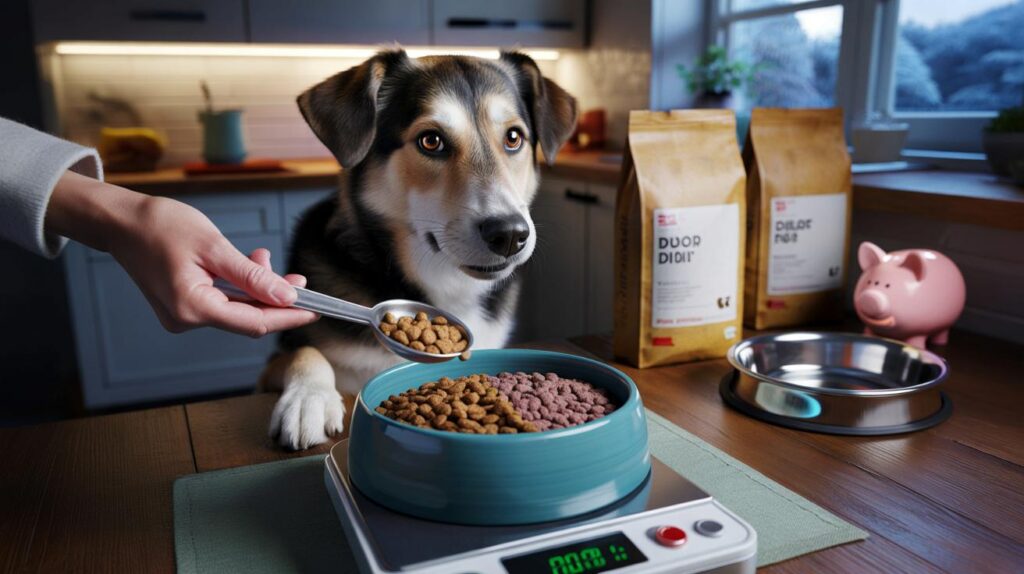
Cold nights draw in, promotions multiply, and your dog craves novelty. Temptation grows at the bowl while fragile stomachs quietly watch.
Many owners rotate flavours or switch brands to keep things “interesting”. The gut rarely shares that enthusiasm. Here is what happens inside, how to choose a safer rhythm, and the simple routine that keeps both stomachs and budgets calm.
What frequent switches do to a dog’s gut
Why a dog’s intestine dislikes abrupt change
A dog’s microbiome adapts to a fairly steady menu. Sudden shifts alter fibre types, fat levels and protein sources. That reshuffle knocks friendly bacteria off balance. Bile output changes, stool water swings, and the gut lining works harder than it should. The result can be soft stools, gas, or an upset that lingers for days.
Frequent switching destabilises the microbiome. Most dogs thrive on consistency, with measured, gradual changes when needed.
Dogs digest differently from humans. Their stomach empties slowly after a dense meal, and enzyme activity adjusts to what they eat most. Chop and change too often and those enzymes never catch up. Sensitive dogs—small breeds, brachycephalic types, anxious pets, and those with a history of diarrhoea—tend to react first.
Red flags you should never ignore
Watch for these signs after a switch or new topper:
- Loose or watery stools, especially more than twice in 24 hours
- Vomiting once or twice after meals, or frequent lip-licking and gulping
- Excess gas, audible tummy rumbling, or straining
- Refusing food or eating slowly when usually keen
- Itchy skin or ear irritation after a new protein appears
Persistent symptoms beyond 48 hours, blood in stools, marked lethargy, or repeated vomiting warrant a vet call the same day.
How often should you really change foods
A practical timetable by life stage and health
Stability beats novelty. Use the table below as a guide rather than a rigid rule.
| Dog | Recommended stability period | When to switch | Notes |
|---|---|---|---|
| Puppy (under 12 months) | Stick to one complete puppy formula for 8–12 weeks at a time | Outgrow size/life stage, poor weight gain, vet advice | Change to adult food near 12 months (18–24 months for giants) |
| Adult, healthy | Many months without change | Budget review, availability issues, or targeted benefit | Rotate only if you transition slowly and proteins overlap |
| Senior (7+ years) | Long stretches, minimal change | Weight shifts, dental needs, kidney support | Prefer moderate protein, steady fibre, controlled phosphorus |
| Sensitive/stomach issues | As stable as possible | Under vet guidance | Consider hydrolysed or limited-ingredient diets |
The 7–10 day transition that actually works
Switch slowly so the gut learns the new recipe. Use ratios by volume at each meal:
- Days 1–2: 20% new food, 80% current food
- Days 3–4: 40% new, 60% current
- Days 5–6: 60% new, 40% current
- Days 7–8: 80% new, 20% current
- Day 9+: 100% new
For very sensitive dogs, stretch the whole schedule to 14 days. Keep mealtimes identical and measure portions accurately. If stools soften, pause at the last comfortable ratio for 48 hours before progressing.
If signs appear, slow down. Holding a ratio for longer is safer than forging ahead and paying for a setback.
Routine rules that save vet visits and cash
Daily habits for calm digestion
- Feed at the same times each day; predictability steadies gut motility
- Offer fresh water at all times; hydration reduces stool swings
- Limit treats to 10% of daily calories; rich extras often trigger flares
- Avoid greasy table scraps; sudden fat spikes inflame the pancreas
- Weigh food with a kitchen scale; cups vary wildly
- Keep activity steady; long gaps followed by intense play can upset stomachs
- Store kibble airtight and cool; rancid fats irritate the gut
Costs mount when transitions go wrong. A UK day-time consultation can run £60–£120. Add anti-diarrhoeals, probiotics, and a stool test, and you may pass £150. Preventing one impulsive switch pays for months of a consistent diet.
One poorly timed change can cost more than a month of premium food. Consistency is cheaper than crisis care.
Special cases and smart exceptions
When a change is urgent
Act fast if food is recalled, contaminated, or clearly linked to hives, facial swelling, or severe vomiting. Call your vet. Short term, a bland plan—white rice and skinless boiled chicken, or a veterinary gastrointestinal diet—can settle the gut for 24–48 hours before a carefully chosen complete food resumes. Do not feed a homemade bland diet for more than a couple of days; it lacks balanced nutrients.
Suspected food allergy needs a strict elimination diet for 6–8 weeks using a single novel protein or a hydrolysed formula. No treats, no flavoured medications, no sneaky extras. Improvement supports the diagnosis; relapse on re-challenge confirms it.
Seasonal tweaks without turmoil
Winter can raise energy needs, especially in active dogs. Increase calories by 5–10% rather than starting a new brand. A simple portion adjustment often meets the demand. If you need more palatability, add a spoon of warm water or a low-salt broth to the same food rather than introducing rich toppers.
Working dogs and those in cold kennels may need larger increases, but make one change at a time. Monitor weight weekly and keep a stool diary to avoid overfeeding and soft stools.
Tools you can use this week
A quick calorie and treat check
Example: a 15 kg neutered adult often needs about 800 kcal/day, depending on activity. Keep treats to 10% max—so 80 kcal. That means three small training treats and a carrot stick, not a handful of cheesy bites. Shift the main food up or down by 5% and watch stools and weight for seven days before making another adjustment.
A simple transition plan you can copy
Pick a new complete food with similar fat and fibre to your current choice. Match protein type if your dog is sensitive. Follow the 7–10 day ratios above. Log each day’s stool quality (firm, soft, watery), any gas, and appetite. If day 5 goes wobbly, hold at 40–60 or step back to 20–80 until stools firm for two consecutive days. Then move forward again. This staged approach respects the gut’s pace and cuts the risk of a £120 surprise at the surgery.



Super clear and actually doable. The 7–10 day ratios and “hold if stools soften” note were gold. I’ve been eyeballing portions; switching to a kitchen scale today. Thanks!
I’ve heard rotational feeding can support microbial diversity if done methodically. Are there studies comparing monthly rotation vs long-term single diet in healthy adults? Links would be great; otherwise these recomendations feel a bit absolutist.