
In backrooms and on busy aisles, a quiet rethink of the supermarket shelf is under way, and paper is the loser.
As the industry squeezes costs and hunts for accuracy, one of Britain’s biggest grocers is moving to electronic labels that change prices and product data at the touch of a button.
Asda rolls out electronic shelf-edge labels
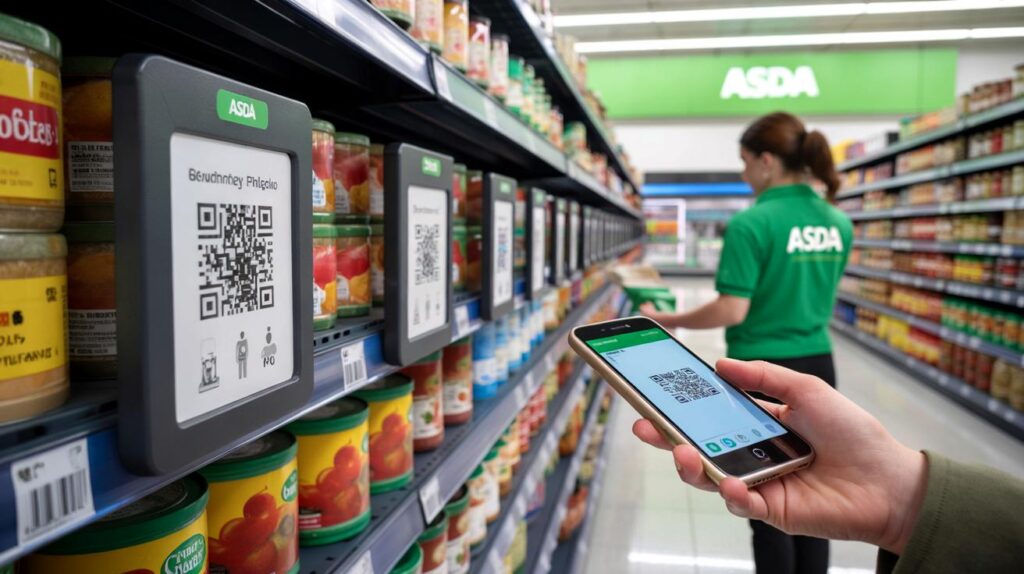
Asda will equip 250 of its Express convenience stores with electronic shelf-edge labels, replacing thousands of paper tags with connected displays. The company says about 2,800 labels will be in place in this phase, allowing centralised price and product updates across participating stores.
The labels will run on technology from VusionGroup, a retail systems supplier whose platforms power e‑paper displays and store connectivity. Asda says the screens will show price, weight and unit pricing, and will support QR codes that link to allergen and product information on shoppers’ phones.
Key promise to customers: no dynamic pricing and no staffing cuts alongside the roll-out, according to Asda.
The grocer argues the shift will save staff hours spent replacing paper tickets. That time, it says, will be redeployed to serving customers, restocking and managing deliveries. The retailer adds it is not using the technology to introduce “dynamic pricing” – the practice of changing prices in real time in response to demand or time of day.
Why digital tags are catching on
Electronic tags are spreading across UK retail because they cut waste, reduce pricing errors and speed up promotions. Chains including Lidl, Co‑op and Currys already use the technology in their stores. Co‑op has gone a step further in some locations by letting shoppers tap their phones on the label to jump straight to its membership page.
For retailers locked in a price battle, instant, accurate price changes are valuable. They help match competitor cuts quickly, keep unit pricing consistent across aisles and ensure promotions start and end on time. For shoppers, the benefits are clearer shelf information and fewer mismatches between the label and the till.
What sits behind the small screen
Modern shelf labels use low‑power e‑paper screens linked to a store’s network. Managers push updates from a central system, and the labels refresh without constant power draw. The displays can carry unit prices and barcodes, while QR codes can lead to allergen details that would overwhelm a small ticket. The aim is clarity at the shelf edge and compliance with pricing rules.
What it means for shoppers
- Labels should show clearer unit prices, helping you compare value across pack sizes.
- QR codes will provide ingredient and allergen details without cramming tiny text onto the shelf.
- Fewer paper tickets means fewer out‑of‑date prices and fewer surprises at the checkout.
- Asda says it will not use the system for surge pricing; the labels change centrally, not in response to real‑time demand.
- Staff should be more visible on the shop floor, with less time spent swapping tags.
The competitive backdrop
The move lands as competition intensifies. Tesco reported group sales up 4.6% in its latest quarter, with market share edging to 28.4%, while Sainsbury’s and Asda have seen share slip. Discount rivals Aldi and Lidl continue to attract budget‑minded households, keeping pressure on prices and on store efficiency.
Asda is pushing a turnaround plan of its own. It has trimmed prices on selected lines to appeal to cost‑conscious shoppers, is opening up to 20 new convenience stores before year‑end, and is now betting that digital labels will tighten in‑store execution.
Who’s doing what with digital price tags
| Retailer | Status | Notable feature |
|---|---|---|
| Asda | Rolling out to 250 Express stores | VusionGroup e‑paper; QR codes for allergen info; no dynamic pricing |
| Lidl | In use across UK stores | Electronic shelf‑edge labels replacing paper tickets |
| Co‑op | In use across UK stores | Tap label to reach membership webpage on your phone |
| Currys | In use across UK stores | Centralised price updates across aisles and categories |
Your next shop: a quick scenario
Say a four‑pack of tinned tomatoes is marked down for a weekend promotion. With paper tickets, a late change can leave one shelf showing the old price while another has the new one. Electronic labels remove that lag. When the promotion starts, the label switches price across every relevant shelf within minutes, and the unit price recalculates – making it easier for you to check whether the multi‑pack beats buying single tins.
Now imagine you need allergen details. A quick scan of the QR code on the label takes you to the product page, where the information is presented in full, rather than squeezed onto a tiny ticket. That can reduce aisle‑side guesswork.
What you will not see, Asda says, is prices rising at lunchtime or dipping at 9pm to chase demand. The system is designed for accuracy and speed, not surge pricing.
Staff, costs and practicalities
Asda says no jobs will go because of the change. Removing paper‑ticket swaps should free colleagues to help customers, refill shelves and handle deliveries. For a convenience store team, those minutes add up during busy periods.
The retailer has not disclosed the cost of the project or a timetable for expansion beyond the initial 250 stores. The figure of around 2,800 labels in this phase suggests a targeted roll‑out, likely focused on high‑change categories where price accuracy and promotions matter most.
Things to watch as digital labels spread
Electronic labels are only as helpful as the information they carry. Shoppers should still check unit pricing, particularly on promotions, and use the QR codes where it makes sense. Not everyone wants to use a smartphone in store, so clear on‑label text remains vital for accessibility.
For retailers, the technology shines when teams keep product data clean and promotions aligned. That is where operational gains arrive: fewer errors, faster changes, better compliance. With rivals sharpening their offers and market share at stake, expect more chains to follow Asda’s lead – and to expand beyond limited trials once the numbers add up.



Love the idea of clearer unit prices and QR allergen info. If it cuts checkout mismatches, I’m in 🙂
They say “no dynamic pricng” — cool — but what’s to stop that from changing later? Feels a bit trust‑me.