
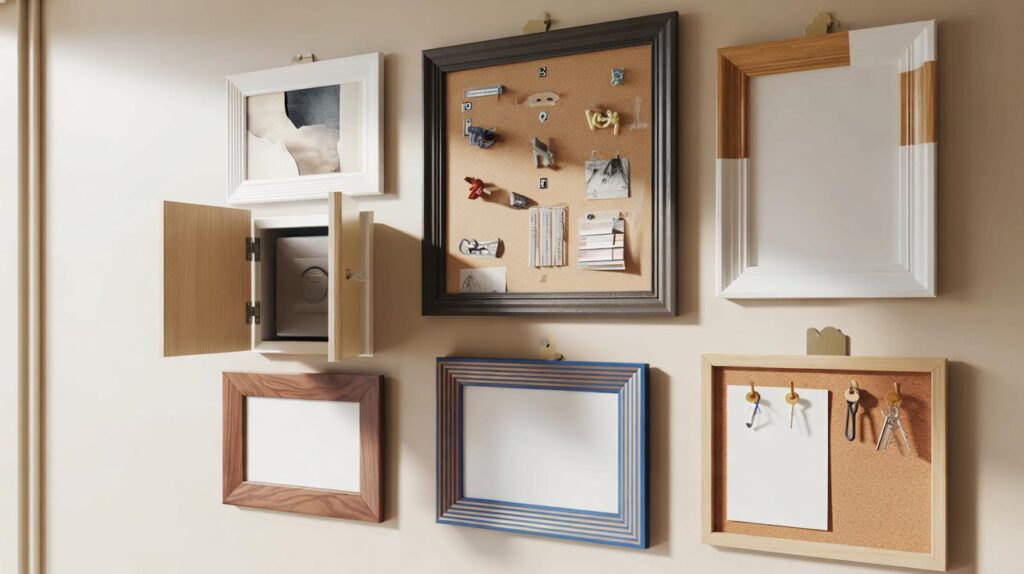
Cash‑strapped renters are turning humble frames into big‑impact features with pocket change, and your hallway could be next.
Budget picture frames now pull double duty as storage, cover-ups and statement pieces. A few smart tweaks, some careful prep and a spare afternoon can shift a basic £6 buy into something that looks commissioned.
Why this budget fix is everywhere
People want walls that feel personal without wrecking the deposit. Frames give an instant structure. They also adapt to tiny spaces. Social feeds show everyday models from IKEA shifting between uses with simple materials. The appeal lies in speed, cost and reversibility.
From a £6 starting point, a can of paint, a strip of veneer or a handful of magnets can fake a bespoke finish.
Creators such as Adrian Widjy, Camilla Bakken and Bradley Dreya sparked the current wave. Their clips highlight deep frames that act like shallow cabinets, neat covers that hide fuse boxes, and moulding tricks that give texture.
Seven ways to upgrade a £6 IKEA frame
1. Shadow‑box display for 3D treasures
Pick a deep frame such as SANNAHED. Keep the spacer to create depth. Add small magnets and tiny hinges to one side so the glazing opens like a door. Use foam board at the back to pin models, keepsakes or toy figures. It reads like a mini museum case.
Typical spend: £6–£18 including small hardware. Time: 60–90 minutes.
A deep frame becomes a dust‑proof display that lifts pocket collectibles into grown‑up decor.
2. Discreet fuse box cover with art
Mount two light frames such as RÖDALM on a simple timber baton fixed to the wall. Add a piano hinge so the frames swing out for access. Slide a print or fabric inside each frame. Leave at least 30 mm of clearance and keep vents unclogged. You hide the eyesore yet keep access.
Typical spend: £14–£25 for two small frames and hinge. Time: 90 minutes.
3. Colour‑blocked border for kids’ rooms
Mask stripes or a chunky border on any plain frame. Prime first, then spray or brush two contrasting colours. Peel tape while the paint is still soft for crisp edges. A bright border lifts neutral prints and reads clearly from across a room.
Typical spend: £8–£15 in paint and tape. Time: 45–60 minutes.
4. Retro wood effect with veneer banding
Apply iron‑on wood veneer edge banding to a white frame. Trim flush with a sharp blade. Sand lightly and wipe clean. Finish with a light oak oil or walnut stain. The frame shifts from flat pack to mid‑century mood in one hour.
Typical spend: £10–£18 depending on veneer roll size. Time: 60 minutes.
5. Textured stripes with simple mouldings
Cut thin timber moulding into equal lengths. Glue them onto the face of a LOMVIKEN frame in graphic bands. Prime and paint in a bold colour. The added relief catches light and gives a bespoke look for the price of a few trims.
Typical spend: £12–£20 in trims and paint. Time: 90 minutes.
6. Cork‑backed hallway organiser
Drop a sheet of cork into the frame in place of the print. Add two small cup hooks to the lower edge for keys. Use drawing pins for post and notes. It keeps the hallway tidy while looking intentional.
Typical spend: £8–£14. Time: 30–45 minutes.
7. Ribbon or chain gallery rail
Thread a narrow ribbon or light chain through the frame’s hanging points. Suspend several frames from a single picture rail hook. Keep spacing even by using a ruler. The vertical drop creates a smart column where floor space runs tight.
Typical spend: £6–£12 per frame plus ribbon or chain. Time: 20–30 minutes each.
What you need
- Primer suitable for plastic, metal or wood frames
- Masking tape, a sharp craft knife and a sanding block
- Spray paint or water‑based enamel for easy clean‑up
- Iron‑on veneer edge banding and a domestic iron
- Small hinges, magnets or a piano hinge for opening fronts
- Foam board, cork sheet or fabric offcuts for inserts
- Picture hanging strips for renter‑safe mounting
Which frame should you pick
| Frame | From price | Best for | Notes |
|---|---|---|---|
| SANNAHED | £6 | Shadow‑box displays, small cabinets | Deeper profile. Spacer included on many sizes. |
| RÖDALM | £7 | Light covers, hinged pairs | Lean build keeps weight down for doors. |
| LOMVIKEN | £12 | Textured moulding, colour blocking | Clean edges suit added trims and paint. |
Costs, time and skill
- Most single‑frame upgrades land between £10 and £20 including materials.
- Allow 30 minutes for simple paint jobs and up to 90 minutes for hinged builds.
- Hand tools suffice: a screwdriver, craft knife, tape measure and a basic handsaw for trims.
- Factor in drying time for primer and paint to avoid smudges.
Set a two‑hour window and you can turn a basic frame into a made‑to‑measure feature before dinner.
Safety, access and renter‑friendly fixings
Ventilate when spraying. Wear a mask and cover surfaces. Use flame‑safe finishes away from heat sources. For fuse box covers, keep vents clear and hinges free. Label the door so guests can find the switch quickly. Use removable strips on plaster walls, and rawlplugs on masonry. Test adhesives on the back first to avoid peeling finishes.
Small upgrades that read as custom
Swap the acrylic glazing for real glass in standard sizes for a clearer finish. Add a white or coloured mat to lift budget prints. Use museum putty on the back corners so frames sit flat. Rotate ribbons and paint colours each season to refresh the look without fresh holes.
What creators are doing now
Adrian Widjy’s deep‑frame toy displays popularised the mini cabinet look. Camilla Bakken’s hinged frames showed a neat way to hide functional gear without building joinery. Bradley Dreya’s moulding stripes add a carpenter’s detail with just glue and paint. Their ideas spread because the parts come from the same aisle you buy tea lights from.
Social ideas travel fast, but the wins come from careful prep, thin coats of paint and square cuts.
Plan a quick gallery wall
Lay frames on the floor. L‑shape tape marks out a corner to hold the grid. Photograph each layout and pick the clearest. Hang the middle frame first and work outwards. Keep 50–70 mm gaps between pieces for a calm rhythm. Mix one deep frame among flat ones to break the plane.
Budget check: what a weekend refresh might cost
- Three £6 frames plus paint and tape: roughly £30–£36 total.
- One deep frame with magnets for display: roughly £14–£18.
- Two light frames with a hinge to mask a fuse box: roughly £20–£25.
These figures shift by size and finish, but most single projects stay under £20 per frame when you reuse tools.
Extra ideas if you have spare materials
Use fabric offcuts instead of prints for texture. Stretch linen over the backing board and pin brooches or badges. Cut a passe‑partout from leftover mount board for a thicker border. Add a thin LED strip inside a shadow box for a soft glow, keeping wiring external for safety and maintenance.
If you want a greener route
Choose water‑based paints and oils. Keep veneer offcuts for patching. Swap magnets for mechanical catches to avoid rare earths. Donate unused frames to a local swap group. A small change in materials keeps the footprint low while still delivering a tailored finish.



Just tried the veneer banding on a plain white frame—instant mid‑century vibes. Genius idea! Any tips to stop edges lifting at the miters over time? I used light oak oil but maybe I should’ve sanded finer than 240 gritt.