
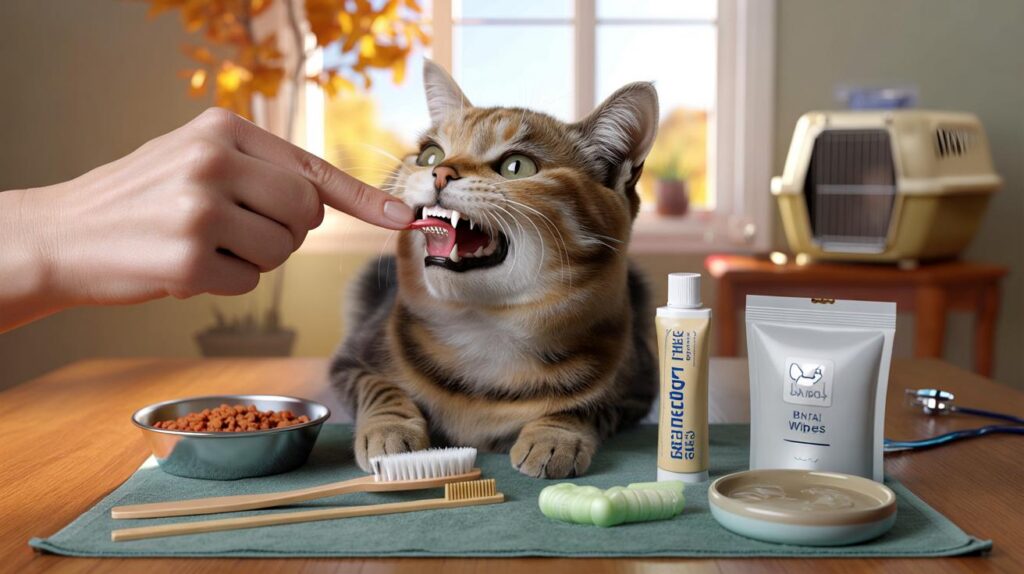
Autumn draws in, your cat eats slower, and grooming gets patchy. Behind the whiskers, a silent dental storm may be brewing.
You might spot nothing more than a tilt of the head, a lick, a pause at the bowl. Yet tiny shifts in eating and behaviour often mark the start of tooth trouble. As cooler days arrive, vets urge owners to stop waiting it out and start looking inside the mouth, because prevention really does beat a winter of costly treatment.
Spot the warnings before pain takes hold
The subtle symptoms you must not ignore
Adult cats rarely complain. They carry on, even with a sore mouth. Watch for softer chewing, dropping food, drooling, smelly breath, pawing at the face, red or swollen gums, or a small chip on a tooth. A missing tooth can slip by unnoticed while discomfort lingers. Changes in grooming, from over-salivating to avoiding the brush, also signal trouble.
Any change in how your cat eats, grooms, or plays can point to dental pain, even if appetite looks normal.
| Sign you see | What it may suggest | What to do within |
|---|---|---|
| Reluctance with dry food, prefers soft | Sensitive tooth, gingivitis, resorptive lesion | 48 hours: call for a dental check |
| Foul breath, thick drool | Plaque, periodontal disease, stomatitis | 48 hours: book vet; sooner if drool is blood-tinged |
| Red gum line, bleeding when chewing | Inflammation, tartar build-up, infection | 24–48 hours: vet assessment |
| Chipped or missing tooth | Fracture, resorption, dental trauma | 24 hours: seek advice; pain control may be needed |
| Head tilt, pawing at face | Tooth root pain, oral ulcer, abscess | Same day if persistent or severe |
Why diet shapes teeth more than you think
Hard food is not a magic scrub. Ultra-crunchy kibble can worsen micro-cracks in fragile teeth, while a consistently soft diet lets plaque harden into tartar. The sweet spot lies in a plan tailored to your cat’s mouth: a complete, balanced diet with textures your vet approves, dental kibbles where suitable, and the right chews for short feline bites. Adjust with age, gum health, and past dental treatments.
Four costly mistakes you can stop this week
1. Waiting for it to sort itself out
“It will pass” is the fastest route to a bigger bill. Oral pain rarely resolves without help. If your cat dodges the bowl, drools, or shows gum redness, act. A quick call within 24–48 hours often prevents infections, extractions, and weeks of discomfort.
2. Believing hard kibble ‘cleans’ teeth
Long chewing is not a feline habit. Many cats break kibble with minimal grinding, so plaque remains. Some very hard foods create hairline fractures or aggravate sore mouths. If diet is part of your plan, choose vet-endorsed dental formulas designed to resist crumbling and to wipe the tooth surface.
3. Skipping brushing because “cats won’t allow it”
Most cats can learn brief, gentle brushing. Start tiny: smell the paste, rub a finger on a fang, then add a soft brush for five seconds per side and build to two minutes. Use feline toothpaste only. Even three sessions a week cuts plaque. If your cat refuses, dental wipes and gels help, but hands-on brushing still wins.
4. Using human toothpaste or internet hacks
Human paste can contain xylitol or foaming agents that harm cats. Vinegar rinses, salt, baking soda, or bones risk burns, aspiration, and fractures. Stick to products made for cats: enzymatic paste, soft brushes, dental gels, water additives approved for pets, and vet-prescribed diets when needed.
- Stop waiting: call your vet within 24–48 hours if eating or grooming changes.
- Drop the myth: hard kibble alone does not clean teeth.
- Train brushing: short, calm sessions beat force or length.
- Use safe gear: cat toothpaste, soft brush, and vet-guided chews.
No miracle kibble. No vinegar. No bones. Consistent hygiene plus vet care keeps teeth – and pounds – in your pocket.
Build simple routines that save teeth and money
A weekly plan you can actually keep
Set a two-minute mouth check every Sunday. Lift the lip. Look for a red gum line, yellow tartar, chips, or blood. Note breath changes. Brush three to four times a week with a pea-sized dab of feline toothpaste. Offer one dental chew on non-brushing days if advised. Keep fresh water available at all times. Record findings on your phone so small changes are clear across weeks.
When the vet should see your cat
Book a dental exam at least once a year; twice yearly if your cat is over seven, has diabetes, kidney disease, or past mouth issues. Seek same-day care for facial swelling, visible pus, refusal to eat for 24 hours, blood-streaked drool, or difficulty closing the mouth. Professional cleaning under anaesthesia removes tartar below the gums and checks each root, which at-home care cannot reach. Costs vary, but delaying often turns a modest fee into a £300+ extraction visit.
What makes adult teeth fall out – and what you can do
The usual culprits behind a gap-toothed grin
Periodontal disease erodes the support around teeth. Feline resorptive lesions dissolve parts of the tooth from within, often leaving a painful red hole where gum meets enamel. Stomatitis triggers widespread inflammation with dramatic pain. Untreated fractures and retained roots also play a part. Each condition needs a different plan, which is why an oral exam with dental X-rays is the gold standard.
Tools and tactics that actually help at home
Choose a small, soft brush or a finger brush. Enzymatic pastes work with short brushing. Dental wipes suit cats that accept rubbing better than bristles. Water additives reduce oral bacteria when used daily. Chews must bend under pressure; if you can’t dent it with a thumbnail, your cat’s tooth might break on it. Replace bowls with shallow ones to reduce whisker stress and encourage normal eating.
A 90-second lip lift every week spots problems early; three brief brushes a week keep plaque in check.
Extra know-how for autumn and beyond
Training a reluctant cat to accept brushing
Break the task into tiny steps across two weeks. Days 1–3: reward for sniffing the brush. Days 4–6: touch the canine teeth with flavoured paste. Days 7–10: one gentle swipe per side. Days 11–14: add back teeth, still brief. Pair each step with a favourite treat. Stop before stress shows; you want trust, not tolerance.
The bigger picture: dental health and whole-body risk
Chronic mouth inflammation does not stay local. Bacteria and inflammatory chemicals can burden the kidneys, heart, and joints. Good oral care often improves energy, coat condition, and willingness to play. Think of dental care as part of your cat’s wellness plan, not a one-off fix after a tooth falls out.
If a tooth does come out at home, keep the area clean, feed soft food for a day or two, and call your vet for an exam. Save the tooth if you can; X-rays will confirm whether roots remain. Quick action limits pain, protects neighbouring teeth, and prevents the winter slide into bigger bills.



Wait—so “dental kibble” isn’t a magic scrub? My breeder swears by hard biscuits. Do you have studies or vet guidelines I can show them to back this up?
Loved the Sunday 2-minute mouth check tip. The head tilt and pawing examples were super clear—going to try enzymatic paste with a finger brush this week. Thanks!