
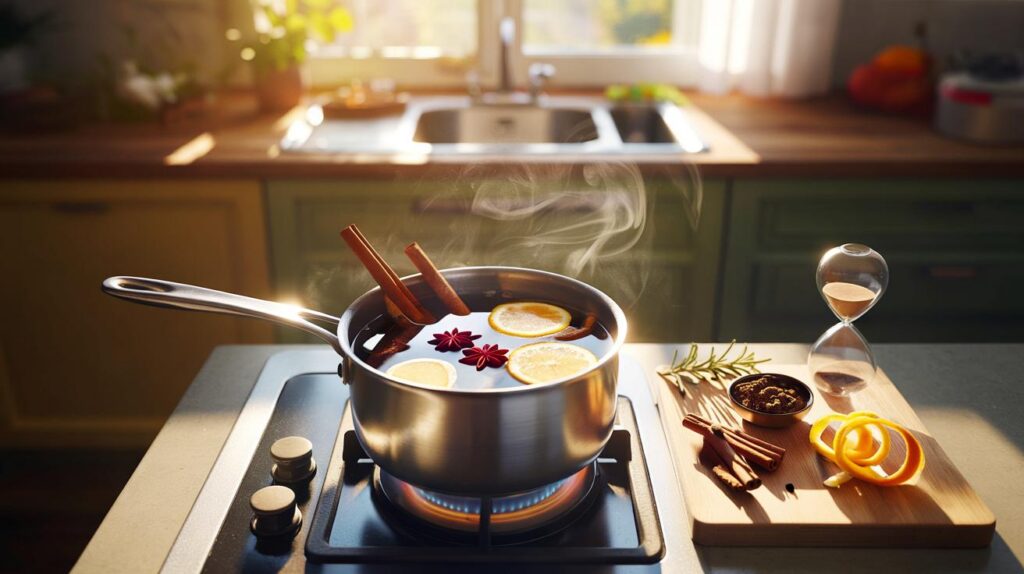
A kitchen pot, a handful of spices, and 15 slow minutes can reset a room, say thrifty households facing stale autumn air.
As heating clicks on and windows stay shut, many readers ask for a fix that beats clingy cooking fumes and musty corners without aerosols. A centuries-old habit is back on the hob: simmering cinnamon sticks in water to push out stubborn odours and leave a warm, spiced lift.
What’s behind the 95% claim
The figure comes from household reports, not a laboratory trial. Yet the mechanics are easy to follow. Warm, moist air carries volatile compounds from cinnamon—chiefly cinnamaldehyde and eugenol—into the room. Those scent molecules mask and displace malodour compounds while the moving vapour helps refresh stagnant air. The effect builds within minutes and lingers after the hob is off.
Many households say they notice up to 95% fewer odours after a single simmer, especially in compact kitchens and hallways.
There’s more than masking at play. Gentle heat and humidity can nudge odour molecules off fabrics and surfaces so they disperse faster when you crack a window. The result feels cleaner, not just sweetened, when you keep the fragrance moderate rather than heavy.
How to make cinnamon water that actually works
Use whole sticks when you can. They release fragrance steadily and won’t leave residue on the pan. Powder works in a pinch but fades faster.
- 3 to 5 cinnamon sticks (Ceylon if you have it, for a softer, rounder aroma)
- 500 to 750 ml of water
- Optional add-ins: 3 lemon slices or a few orange peels, 6 to 8 cloves, a small sprig of rosemary, or 2 star anise
- If using powder: 1 level teaspoon, stirred directly into the water
Method: warm an empty pan for 30 seconds, toast the sticks briefly until fragrant, add water and optional spices, bring to a boil, then reduce to a steady simmer. Keep the lid off so the vapour travels.
Open the window a finger’s width to pull the scented steam through the room; you’ll clear stale air faster.
Timing and intensity
Go by the problem you’re treating and the size of the space. Simmer longer for fish and frying smells. Top up the water before it drops too low.
| Odour type | Simmer time | Suggested add-ins |
|---|---|---|
| Morning mustiness after closed windows | 10–15 minutes | None, or a slice of lemon for brightness |
| Frying, fish, or lingering curry notes | 20–30 minutes | Lemon plus 6–8 cloves for a fresh, spicy edge |
| Damp hallway or bathroom air | 15–20 minutes | Small sprig of rosemary with the cinnamon |
| Quick refresh before guests arrive | 8–10 minutes | Star anise for a subtle, sweet lift |
Smart tweaks that make a big difference
- Toast the sticks first: 20 to 40 seconds in the dry pan wakes up the oils and maximises diffusion.
- Keep a gentle simmer: rolling boils waste water and dull the fragrance.
- Place the pot centrally: an island hob or a trivet near the hallway works better than a back corner.
- Rotate rooms: carry the steaming pan carefully to the doorway of a second room for two to three minutes.
- Powder plan: expect a stronger first hit but shorter life; repeat every 2 to 3 days if needed.
Think fragrance, not fog. If the air feels heavy, you’ve gone too far—dial it back and refresh with outside air.
Safety notes and who should go easy
Never leave a pan unattended. Refill before the water level gets low to prevent scorching. Keep handles turned in and cords clear of small hands. People with asthma, fragrance sensitivities, or migraines may prefer a lighter simmer or a neutral approach.
Pets can react to concentrated scents. Whole spices in water are gentler than essential oils, but keep animals out of the kitchen while the pot steams. Avoid diffusing essential oils directly over heat; they can produce intense vapours.
What this trick can’t fix
Cinnamon won’t solve structural odours from damp, mould, blocked drains, or bins that need washing. Tackle sources first, then scent the space.
- Mould patches: treat with approved cleaners and improve ventilation; investigate leaks.
- Drains: flush with hot water, then use bicarbonate followed by vinegar; rinse after the foam settles.
- Soft furnishings: sun and fresh air work wonders; consider activated charcoal near shoes and sports kit.
- Bins: scrub lids and rims; dry thoroughly before replacing liners.
Costs, convenience and greener choices
If a supermarket pack costs about £1.50 for 10 sticks, a batch that uses three costs roughly 45p, plus water and energy. Reuse sticks: dry them on a rack and simmer again once or twice before the scent fades. For energy savings, use the smallest burner that fits your pan, or a slow cooker set to low with the lid ajar.
Compared with aerosol sprays and plug-ins, simmer pots add no propellants, and ingredients are compostable. Citrus peels you might have binned become handy add-ins. The only waste is a cup of fragrant water, which cools quickly.
If you’re sensitive to scent
Go neutral. Place bowls of dry bicarbonate of soda in the kitchen overnight. Use coffee grounds in the fridge for two days. Activated charcoal helps near litter trays and shoe racks. Run an extractor fan during cooking and for 15 minutes after.
Troubleshooting and quick wins
- Smell turns sharp or burnt: you’re too dry—add water and reduce the heat.
- Too mild: toast sticks longer at the start, or add two cloves and a lemon slice.
- Lingering food fat: wipe hob and splashback before simmering; clean surfaces release fewer odours.
- Pan choice: stainless steel or enamel resists staining better than bare aluminium.
- Room still stale: open two windows on opposite sides for five minutes to create a cross-breeze, then simmer.
Beyond the kitchen: when and where it shines
Use the method after weekend batch cooking, before a viewing if you’re selling, or when a guest room has stayed shut for weeks. It helps in rented homes where you can’t install extractors or make structural changes. The scent reads cosy and seasonal without veering into heavy perfume.
For a calm routine, set a timer for 12 minutes while you wipe counters and empty the bin. The pot does its work while you do yours. Finish by turning off the hob and propping a door open. You’ll keep fragrance while clearing the last traces of stale air.
Short, regular simmer sessions—rather than a single long blast—keep odours in check across the week.
A useful add-on to a wider odour strategy
Think of cinnamon water as a finishing step. Fix sources, ventilate briefly but often, and use absorbents where air sits still. Then bring in the pot for warmth and lift. If you have a dehumidifier, run it later to keep humidity in a healthy range after the steam settles.
If you fancy a measured approach, note start time, ingredients and room size, and rate the result out of ten. After three runs you’ll know your sweet spot, whether that’s three sticks for 12 minutes in a galley kitchen or five sticks for 25 minutes in an open-plan flat.



95% fresher—based on home reports only? Sounds optimisitc. Any chance of a controlled test, or is this basically pleasant masking?