
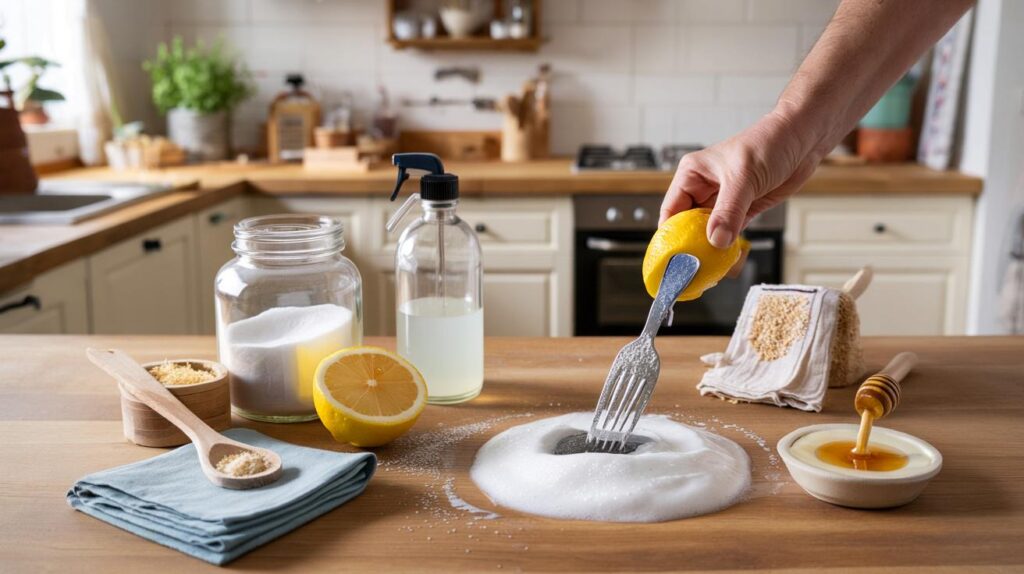
A quiet revival is reshaping shopping lists and routines, mixing nostalgia with thrift and a pinch of kitchen science.
Across Britain, households are turning to tried-and-tested “granny” cures and tricks to stretch budgets, trim chemicals and reclaim control. A growing online platform dedicated to these homely solutions says it now curates thousands of simple, low-cost ideas that use ingredients most families already own.
What’s behind the granny revival
The appeal lies in three promises: fewer harsh products, lower bills, and practical steps that fit busy lives. The platform at the heart of this trend gathers remedies and recipes across health, beauty, housekeeping, garden care, cooking and children’s activities. Each tip leans on easy methods and common items such as vinegar, bicarbonate of soda, lemon, oats and honey.
Simple ingredients, clear instructions and minimal waste are turning old kitchen wisdom into modern-day household policy.
Quality control matters. Behind the scenes, a team of specialist journalists and subject experts in wellbeing, health, beauty, food and cleaning review each submission. They research sources, test methods and refine instructions before publishing. The result is a catalogue that reads like a practical handbook rather than a grab bag of hearsay.
How the site works for real households
Search by problem, not product
Users do not need brand names. They search by need: a scuffed hob, a dry patch of skin, a stained sink, a child’s sticky handprints. Tips are grouped by category and keyword, making it quick to find a fix that matches what sits in the cupboard. New entries appear weekly, and older posts get refreshed with clearer steps and safer guidance.
Most fixes start with what you already have at home, not a last-minute dash to buy another bottle.
Kitchen cupboard proof points
- Lemon and salt lift rust flecks from cutlery for pennies, using gentle abrasion and citric acid.
- Bicarbonate and white vinegar refresh drains: foam loosens residue, a kettle of hot water completes the job.
- Oats soothe irritated skin in a warm bath; a muslin pouch avoids mess and releases starches slowly.
- Cold tea revives wooden boards; the tannins reduce odours without soaking the timber.
- Honey and yoghurt calm a tight winter complexion; lactic acid softens while sugars help retain moisture.
Money and health: the gains that add up
Households report that small swaps spread across cleaning and self-care can trim a few pounds each week. The savings do not come from deprivation. They come from simplification, fewer duplicates and more reusable tools. A spray bottle, a bag of bicarbonate and a litre of distilled vinegar cover dozens of jobs once filled by six or seven branded products.
| Everyday task | Typical shop-bought cost/month | Granny hack cost/month | Potential saving |
|---|---|---|---|
| Multi-surface cleaning | £6–£8 | £1–£2 (vinegar + water + a drop of soap) | £4–£6 |
| Drain freshener | £3 | £0.80 (bicarbonate + vinegar) | £2.20 |
| Face mask, weekly | £5–£10 | £1–£2 (yoghurt + honey) | £4–£8 |
| Metal polish | £4 | £0.50 (lemon + salt) | £3.50 |
These indicative figures show how small choices can reach £20–£30 a month without wholesale lifestyle changes. The benefits extend beyond the till. Fewer harsh chemicals means less fragrance build-up in the air, fewer mixed residues on surfaces and fewer plastic triggers heading to the bin.
Cutting three bottles and adding one reusable spray can shrink clutter and reduce spending in the same week.
Trust, testing and the line between folk wisdom and facts
The editorial team filters out myths and risky mixes. Clear warnings appear on anything that could irritate skin or damage materials. Recipes avoid unverified health claims. Many tips include a quick “patch test” step, advising users to try a small area before committing.
Health guidance stays sensible: home remedies may soothe minor discomforts, but serious or persistent symptoms need professional care. Cleaning advice keeps to safe chemistry: never mix bleach with acids, including vinegar or lemon juice, as this can release hazardous fumes. Metal care tips distinguish between stainless steel, aluminium and copper to prevent avoidable damage.
Four quick swaps to try this week
- Glass and mirrors: mix one part vinegar with three parts warm water, wipe with a microfibre cloth for streak-free shine.
- Shower limescale: press a halved lemon onto trouble spots, leave five minutes, then rinse; repeat for stubborn patches.
- Mud on trainers: brush off dry dirt, dab with a paste of bicarbonate and water, wipe clean, stuff with paper to dry.
- Bedtime hands: rub a teaspoon of olive oil into cuticles, wear thin cotton gloves for twenty minutes to lock in moisture.
Why families stick with it
Ease drives habit. Each tip uses short steps and common tools. Instructions are written for real kitchens and busy evenings, not lab benches. Readers value transparency about limits, alternatives for allergies, and the reassurance that someone has tried the method first.
Regular updates keep the library relevant. Seasonal features address hay fever, barbecue stains, school uniforms and muddy boots. A rotating front page highlights new tests and clarifies when a traditional trick does not meet expectations.
Make your own starter plan
Build a small kit
- White vinegar, 1 litre
- Bicarbonate of soda, 500 g
- Lemons, 3
- Unscented soap, bar or liquid
- Reusable spray bottle and microfibre cloths
With these five items, you can handle windows, sinks, drains, worktops, fridges, chopping boards and a handful of skin-care tasks.
Track results for two weeks
- Note each swap, the time it took and the result on a 1–5 scale.
- Log costs and leftovers to see actual value, not guesswork.
- Photograph before-and-after for stubborn jobs like grout lines.
What to watch for and where to go next
Natural does not mean harmless. Citrus can etch stone, vinegar can dull waxed wood, and essential oils can irritate sensitive skin. Keep remedies away from children and pets, store powders dry, and label homemade bottles with contents and date. For skin applications, avoid broken skin and perform a small patch test first.
Once you settle into a rhythm, branch into garden care, stain charts for school kit, or batch-cooking basics that align with the same ethos: simple ingredients, clear steps, low waste. Families who enjoy hands-on activities can turn common tips into weekend projects with children, such as making a gentle all-purpose spray or designing a stain-removal guide for the laundry cupboard.



Loved the ‘search by problem, not product’ idea. Tried the vinegar + water on mirrors with a microfibre cloth and it actually beat my old spray. If this really trims ~£20–£30 a month, I’m in. Thanks for the clear patch-test notes too!
Quick Q: the lemon-on-limescale tip—any risk for marble or granite worktops? I’m a bit nervy about acids etching stone. Maybe add a bold ‘avoid natural stone’ flag right under that section?