
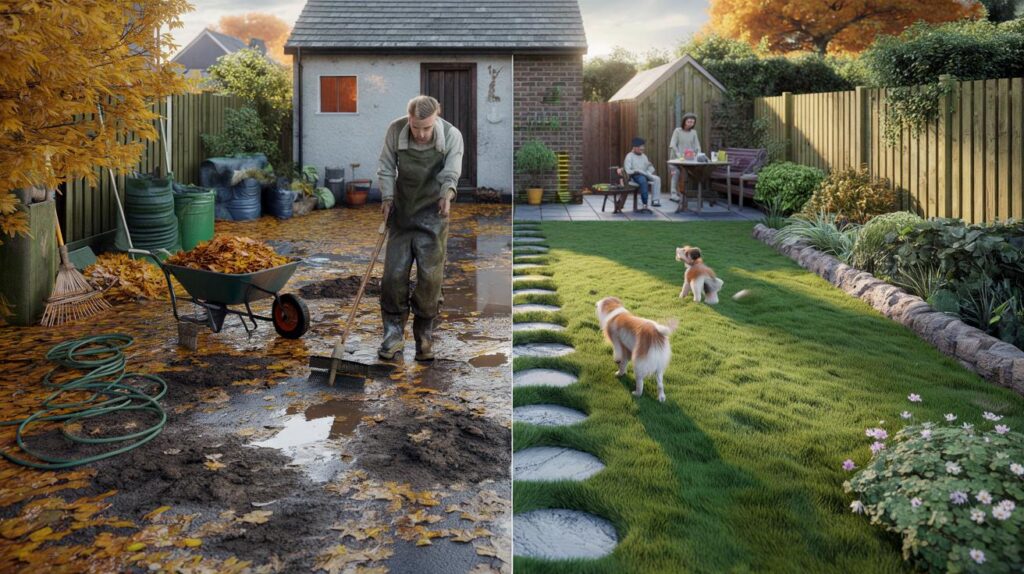
Autumn returns with mud, leaves and weekend graft. Many households are rethinking what ‘green’ should look like underfoot today.
Gardeners and landscapers are steering people towards a low-care, drought-wise groundcover that looks lush, feels soft, and shrugs off cold and footfall. It promises a tidy, resilient carpet without the weekly chores that wear you down as days shorten.
Why your lawn is exhausting you every autumn
A standard turf lawn struggles when nights lengthen and rain lingers. Leaves smother blades. Soil compacts. Bare patches appear. You mow later, seed harder and feed more, yet colour still fades. Many lawns demand water just when hosepipe restrictions threaten. The result is cost, time and disappointment.
Turf also asks for inputs that jar with 2025’s realities. Chemical feeds sit poorly with biodiversity goals. Frequent mowing uses energy. Repairs never end after frost or foot traffic. People want green space that works with the season, not against it.
Across typical gardens, switching to a drought-tolerant groundcover can cut autumn jobs by half and reduce watering needs markedly.
The quiet rise of dwarf clover
Dwarf white clover, often called microclover, is gaining ground because it behaves like a living, low-work carpet. It forms a fine-leaved, dense sward that stays presentable through showers, boots and brief cold snaps. Children can play on it. Pets wander over it. It bounces back quickly after use.
What it is
This is a compact form of white clover bred for smaller leaves and tighter growth. It knits together well, fills gaps where turf thins, and anchors soil on slopes. It fixes nitrogen at root level, which nourishes itself and neighbouring plants. That means fewer fertilisers and fewer weeds finding light to germinate.
How it behaves through winter
Leaf cover remains steady. Mud patches are rare. The canopy intercepts raindrops and reduces splash, so paths stay tidier. It tolerates short, sharp cold. In spring, it wakes quickly without the pale, hungry look of tired grass.
Two light cuts a year usually keep dwarf clover smart, with no routine fertiliser and no summer irrigation.
How to make the switch in late autumn
You can seed dwarf clover once heat breaks and soil stays moist. Late October to early November works well in many regions. Preparation matters more than muscle. Aim for an even seedbed and good soil contact.
- Clear weeds and, if needed, remove thin or thatchy turf remnants.
- Loosen the top 2–3 cm of soil to improve contact and drainage.
- Broadcast seed evenly at roughly 10–15 g per m² for solid coverage.
- Firm gently with a roller or a flat board to press seed to soil.
- Water lightly only during a dry spell, then let autumn moisture do the rest.
Common pitfalls to avoid
- Don’t leave sowing until hard frost arrives.
- Don’t skip the first weed clear-out; it pays off all winter.
- Don’t bury seed too deep; light contact is enough.
- Avoid heavy footfall during early germination and first rooting.
Numbers that matter: time and money you could keep
People often underestimate the compound drag of turf. Add up small jobs and small bills, and they become a season of labour. Here is a worked example for a modest 50 m² front garden managed by a keen household between September and November.
| Task or cost | Typical turf lawn | Dwarf clover |
|---|---|---|
| Mowing and edges | 8 sessions x 45 min = 6 h | 0–1 session = 0–45 min |
| Leaf clearing | 10 sessions x 40 min = 6 h 40 | 6 sessions x 25 min = 2 h 30 |
| Repairs: seed, topsoil, patching | 2–3 h + £25–£40 | 1 h + £0–£10 |
| Fertilisers or weed-and-feed | £18–£35 + 1 h | £0 + 0 h |
| Watering time during dry spells | 3–5 h + £10–£25 in metered water | 0–1 h + £0–£5 |
| Green waste subscription or sacks | £40–£60 | £20–£40 |
| One-off equipment hire or service | Scarifier or service visit £60–£120 | Usually £0 |
Across one autumn, that realistic tally often lands around 40–60 hours and £250–£400 for turf, especially once a repair or a service call slips in. Dwarf clover typically trims those figures to a fraction.
If your weekends feel shorter every time the leaves fall, clover hands you back time without turning the garden into gravel.
Setting expectations: looks, feel and flowers
Dwarf clover reads as a soft, natural green. Leaves sit finer than standard clover, so the texture feels tidy. It tolerates play and regular steps to sheds and bins. In spring and summer, discreet white flowers can appear, which support pollinating insects.
Managing flowers where you sit or play
If you worry about bare feet and bees colliding near a terrace, keep a one-metre strip closely cut during bloom. Elsewhere, allow the rest to flower on a longer cycle. That gives you a calm seating zone and a wildlife-friendly patch a few steps away.
Design ideas that lift small and large plots
Use dwarf clover as a single, clean sward for the main area. Or treat it as a matrix for low perennials like thyme, ajuga or dwarf grasses. You can run it between stepping stones, edge it with flowering borders, or use it to stabilise a sunny bank where turf usually fails.
- Create a mosaic: clover panels alternating with gravel ribbons for easy drainage.
- Frame a veg bed: a 60 cm strip of clover keeps mud down and tools clean.
- Tidy a shaded side return: clover tolerates light shade better than many standard lawn mixes.
Maintenance calendar you can actually keep
Autumn: seed or overseed, then leave. Winter: remove heavy leaf mats after storms to prevent smothering. Spring: one light cut to even the canopy. Summer: raise your cut height or skip a cut during hot spells. No feeding. No routine watering. Spot-weed by hand if a bulky intruder appears.
Frequently raised concerns, answered plainly
Will it spread where I don’t want it?
Edges matter. Keep crisp boundaries along beds and paths. A monthly pass with hand shears keeps borders neat. If a few runners wander into a bed, they pull easily in damp soil.
What about heavy wear under swings or goalmouths?
Mix clover with a tough, fine fescue or rye blend in those specific squares. The mix gives durability and keeps inputs low. Renew those small areas if play is intense.
Does it suit clay or sandy soils?
It copes with both if you prepare the top layer well. On clay, open the surface with sharp sand and compost. On sand, add organic matter to hold moisture. Aim for a level, crumbly texture before seeding.
Try-before-you-commit: a five-square-metre pilot
Mark out a 5 m² rectangle this month. Prepare it properly and seed at 10–15 g per m². Track the time you spend there versus the rest of the lawn until May. Most households see cleaner shoes, less mud, and fewer chores. That small test gives confidence to scale up.
Extra notes for renters and shared spaces
Where permission is needed, propose a reversible plan: overseed clover into tired turf rather than stripping soil. Keep the first cut low and tidy to reassure neighbours. Present a simple maintenance card—two cuts a year, no fertiliser, light leaf clears—to show the building’s committee the savings in cleaning and green waste.
Useful additions that pair well with dwarf clover
A narrow bark or gravel border along fences stops splash-back and keeps walls cleaner. Permeable paths set on compacted fines let you cross the garden in winter without rutting the surface. A small mulched tree circle reduces shade stress and frames specimen planting cleanly against the green.
If you are weighing costs, build a quick spreadsheet. List time blocks and outgoings from last autumn. Add a one-off seed cost for clover, then remove fertiliser, most watering, and multiple mow sessions. The gap often funds new bulbs, a tree, or a family day out. That is how a plant turns into extra hours you can actually spend elsewhere.



Tried dwarf clover (microclover) in a 5 m² test patch last autumn. Two light cuts, zero feed, and it bounced back after kids + dog. Shoes stayed cleaner and the muddy patches basically vanished. Genuinely freed up Saturdays—wish I’d done it sooner.