
As autumn tightens belts and bedtimes, many households are quietly hunting fixes that soothe soreness without wrecking the monthly budget.
This week’s sleeper story is a humble one: a budget mattress topper arriving on the high street just as wallets feel the pinch and older beds start to grumble. The premise is simple. Add a supportive layer, buy time, and claw back comfort.
What’s new and why it matters
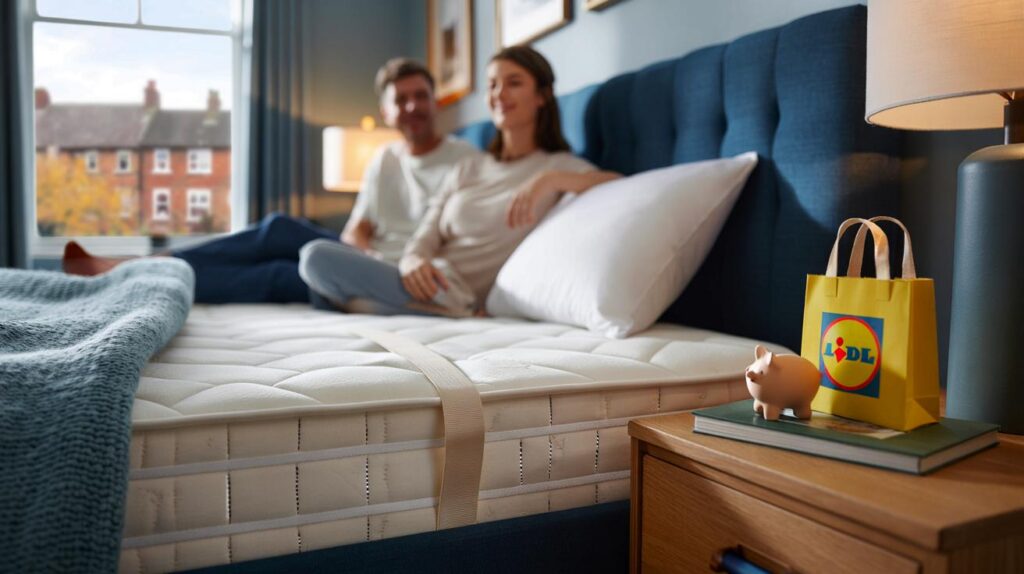
Lidl has rolled out the Livarno Home Mattress Topper in stores, priced at around £40. It targets shoppers who want better support and hygiene without replacing an entire mattress. The topper is designed for a UK double (190 cm x 135 cm), measures 5 cm deep, and comes with elastic corner straps and a removable, washable cover. The surface uses a soft, nubbed texture over double jersey fabric with a microfibre underside to add cushioning while helping even out minor lumps.
At roughly £40, the topper aims to smooth dips, relieve pressure points and guide your body towards a healthier sleeping posture.
Many retailers suggest replacing a mattress every eight to ten years. That’s a chunky cost for most families. A topper won’t rebuild tired springs, but it can extend usable life and improve comfort while you plan a full upgrade.
How a topper changes your night
A topper adds a buffer between you and the mattress surface. That buffer spreads pressure at the shoulders and hips, reduces sharp contact on bony points, and can dampen movement when a partner turns. It also serves as a hygienic barrier, useful for student rentals and family homes where spills happen.
- Softens a “too firm” feel without swallowing you in foam.
- Levels minor quilting dips for steadier spinal alignment.
- Reduces partner motion transfer on creaky or uneven beds.
- Adds a washable layer to keep sweat, spills and dust off the mattress.
- Offers seasonal flexibility: put it on for warmth, store it when you want a cooler bed.
What you get for £40
The Lidl topper focuses on accessible comfort rather than complex foams. The 5 cm profile is enough to blunt small lumps while keeping you stable. Corner straps secure it to the mattress so it doesn’t creep overnight. The polyester cover zips off for a machine wash, which helps with allergies and spill management. The contoured, nubbed surface is there to stimulate gentle pressure relief without sinking too deep.
Think of it as a comfort upgrade and hygiene shield that buys you months—sometimes years—before you commit to a new bed.
The pounds and pennies
If a replacement mattress costs about £600, delaying that purchase by twelve months with a £40 topper protects £560 of your household budget this year. On nightly value, £40 spread over 365 nights is about 11 pence a night. Share the bed and you’re paying roughly a fiver a month each for a cleaner, kinder surface.
How to choose the right topper
Not every topper suits every body or bedroom. Here’s what common materials feel like and where they shine.
| Material | Feel and support | Sleeps cool? | Best for | Watch-outs | Typical double price |
|---|---|---|---|---|---|
| Polyester fibre (microfibre/hollowfibre) | Plush, cushioned, light bounce | Generally cool | Budget comfort, guest beds, rentals | Flattens sooner than foam; needs shaking | £25–£70 |
| Memory foam (3–7 cm) | Contour hug, strong pressure relief | Can feel warm | Side sleepers, shoulder/hip pressure | Heat build-up; slow response; odour at first use | £60–£180 |
| Latex (natural or blend) | Buoyant, supportive, fast response | Better airflow than dense foam | Back/stomach sleepers who dislike sink | Heavier, pricier; check for latex sensitivity | £120–£300 |
| Wool/cotton | Gentle cushioning, breathable | Excellent seasonal comfort | Hot sleepers, natural fibres fans | Less “orthopaedic” feel; may compress over time | £80–£200 |
| Egg-crate/contoured foam | Targeted pressure distribution | Varies by density | Softer top feel without heavy sink | Lower-density versions wear faster | £30–£100 |
Fit and care
- Lay the topper flat and align corners; secure with straps under a fitted sheet.
- Allow new foam or fibre toppers to air for several hours before first use.
- Rotate the topper head-to-foot every one to two weeks for the first month, then monthly.
- Wash the cover regularly; spot-clean the core; air-dry thoroughly before remaking the bed.
- Layering tip: mattress, topper, protector, then fitted sheet for easier laundry.
Limits you should know
A topper won’t correct deep structural sagging, broken springs or a bowed divan base. If you can feel coils or see a visible trench, you’re nearing replacement territory. Heat-sensitive sleepers may prefer fibre or wool over dense foams. Allergy-prone households should favour washable covers and frequent laundering. Check depth against your fitted sheets—add 5 cm to your mattress height and make sure sheets still grip.
A topper enhances comfort and cleanliness; it doesn’t rebuild a worn-out support system.
Who stands to gain first
Students facing mystery mattresses in rented halls get a clean, personal layer that goes home at the end of term. Parents upgrading a box room for guests add plushness without committing to a new bed. Side sleepers who wake with sore shoulders often feel the benefit most, because pressure is concentrated at the shoulder and hip on a firm surface.
Quick check: is your mattress the real culprit?
- Morning aches ease after you get moving, then return the next morning.
- You roll towards your partner or the centre of the bed without trying.
- You can feel hard spots or springs through the cover.
- Rotating the mattress no longer changes the feel for more than a night.
What to expect on night one
Most fibre toppers feel plush from the start, with a subtle levelling effect across quilting dips. If you’re used to a very firm feel, give it a week; your back adapts as muscles relax and joints aren’t braced against pressure points. Pair with a supportive pillow that keeps your neck in line—many “bad back” stories begin with the wrong pillow height rather than the mattress itself.
The Lidl angle: key particulars at a glance
- Approximate price: £40 for a UK double.
- Depth: 5 cm for moderate cushioning without deep sink.
- Fabric: soft double jersey top with microfibre underside.
- Care: removable polyester cover for machine washing.
- Fixing: elastic corner straps to reduce movement.
- Design intent: “nubbed” surface to spread pressure and support neutral alignment.
Extra gains you can bank this month
Try a simple “sleep dividend” test. Track your wake-ups and morning stiffness for seven nights, then add the topper and repeat. If you cut one awakening a night and fall back to sleep five minutes faster, that’s around 35 minutes reclaimed per week. Over a month, you’re closer to three extra hours without changing bedtime. Combine with a dark room, a cooler duvet, and a consistent wake time to multiply the effect.
There’s a safety angle as well. Better cushioning reduces the urge to curl into awkward positions, which can aggravate shoulder impingement and hip discomfort. If you’re managing mild back pain, a more level surface helps your core muscles rest rather than fight the mattress each time you turn. For persistent pain, speak to a clinician; a topper refines comfort, but targeted exercises and posture checks make the change stick.



If this really turns a lumpy student mattress into a decent bed for £40, I’m in. Anyone tried the nubbed surface yet—does it actually ease shoulder pressure?
Sounds like a sticking plaster—if my mattress has a visible trench, a 5cm polyester topper won’t fix the spine sink, right? Want to be sure before I punt £40.