
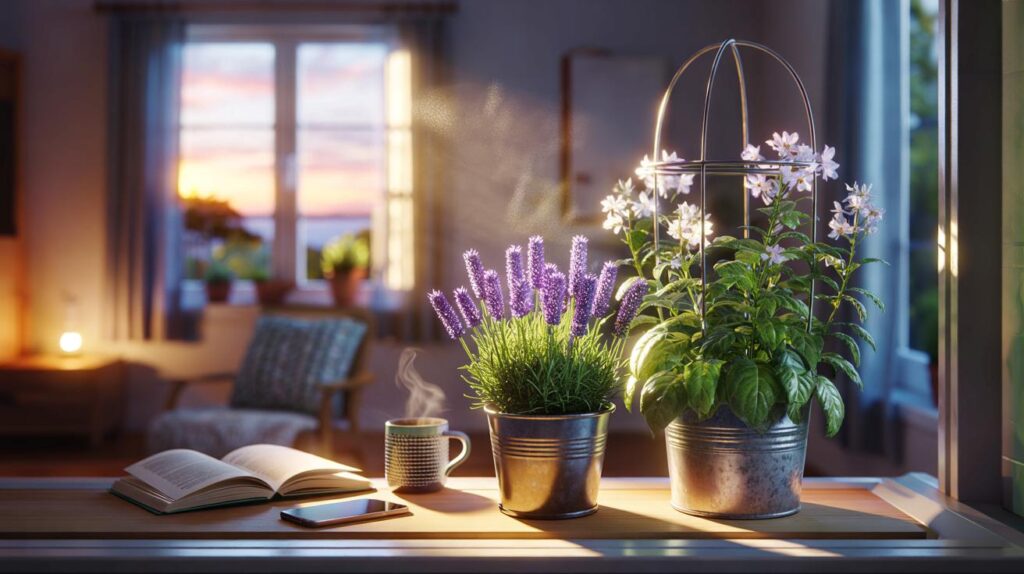
Hectic days, stale rooms and a nagging sense of overload. One humble plant could change your evenings this autumn.
The rush hasn’t eased. Screens hum, inboxes refill, and city air hangs heavy behind closed windows. Yet a small, scented pot on your sill can reset the tone at home, lowering tension while quietly cleaning the air you breathe.
The hidden household fix that calms nerves and clears the air
A growing body of evidence points to aromatic houseplants as practical allies for frazzled households. Two familiar names stand out: jasmine (Jasminum officinale) and true lavender (Lavandula angustifolia). Long seen as quaint garden staples, they’re returning to living rooms and bedrooms for two reasons that matter to you right now: their scent nudges the brain towards a calmer state, and their leaves help reduce certain indoor pollutants.
One pot, two wins: a steady nudge towards calmer evenings, plus cleaner air when windows stay shut.
Researchers studying scent-driven relaxation have tracked drops in subjective anxiety scores after exposure to jasmine and lavender aroma, with several small trials reporting reductions around a third. That’s the sort of shift you can feel after a tough day, especially once the light fades and routines tighten.
How it works: the calm signal travels through your nose
Scent molecules and the brain’s braking system
When you inhale the gentle scent of jasmine or lavender, volatile compounds such as linalool, linalyl acetate and benzyl acetate reach smell receptors that wire straight to areas of the brain regulating arousal and mood. This pathway acts fast. Within minutes, the body can ease out of “go, go, go” mode into a steadier rhythm.
Laboratory and small clinical studies link these fragrances with increased parasympathetic activity, the physiological counterpart to pressing the brake pedal. People report feeling calmer, and measures like heart rate and perceived stress often edge down.
Eight slow breaths beside a scented plant can become a simple ritual that your nervous system recognises.
Why jasmine or lavender stands out
Both plants deliver a consistent, recognisable scent without a chemical spray. You control intensity by placement, pruning and variety. Jasmine’s sweeter note often suits evening routines; lavender’s cleaner profile pairs well with workday breaks and pre-sleep wind-downs.
Air you can trust when windows stay closed
Leaves that help tackle everyday indoor pollutants
Modern interiors release a cocktail of low-level pollutants from paints, pressed-wood furniture and cleaning products, including formaldehyde and benzene. Foliage and the living microbiome around potting soil can capture and metabolise a portion of these compounds over time. Effects in real homes vary and never replace ventilation, yet the direction of travel is positive—especially when the heating is on and airflow drops.
Pairing scent-led relaxation with foliage that works all day brings a quiet upgrade to air quality without gadgets or noise.
| Plant | Best for | Scent profile | Care level | Air help | Night-time benefits |
|---|---|---|---|---|---|
| Jasmine (Jasminum officinale) | Evening calm and cosy corners | Sweet, floral, soothing | Moderate light, regular support and pruning | Leaves and soil microbiome assist with VOC reduction | Gentle, lingering aroma for bedtime routines |
| Lavender (Lavandula angustifolia) | Pre-sleep routine and tidy desks | Clean, herbal, dry | Bright light, sparing water, good drainage | Comparable support for common indoor pollutants | Pairs well with low light and quiet reading time |
Setting yours up for success at home
Placement that boosts both calm and cleaner air
- Choose a bright spot with indirect light; east-facing sills suit both plants.
- Keep them where you pause: near a reading chair, home desk, or by the bedroom door.
- Avoid cold draughts; steady temperatures protect buds and scent.
- Use a breathable pot and well-draining mix; soggy roots mute growth and fragrance.
- Price check: UK garden centres often list starter pots from around £9–£15.
Micro-rituals that anchor the habit
Turn scent into a prompt. Each evening, sit by the plant for five minutes, phone face down. Breathe in through the nose for four counts, out for six. On busy days, run a fingertip across a leaf to release a little extra aroma—no aerosols needed. Before sleep, dim lights and read a page or two while seated within a metre of the plant to cue the same calm response.
Safety, allergies and pet households
Who should take extra care
If you react to strong scents or pollen, place the pot a few metres from your pillow and favour good ventilation in the day. Families with curious toddlers or pets should position plants out of reach. True jasmine (Jasminum officinale) is generally considered non-toxic to cats and dogs, but some “jasmine” sold is not true jasmine; always check the botanical label. Lavender contains compounds that can upset pets if chewed; keep it inaccessible.
Skip heavy leaf sprays. Wipe leaves with a damp cloth to remove dust, which also maintains pollutant capture.
What readers ask most: quick answers
How fast can you feel a difference?
Many people notice a calmer mood within 10–20 minutes of sitting near a blooming plant. Consistency matters more than intensity. Your nervous system learns the cue when you repeat it daily.
Will a plant replace an air purifier?
No. Think of it as a steady helper that complements ventilation and sensible cleaning. One plant won’t neutralise a heavy paint job, but several medium plants can contribute alongside regular airing.
Make a small plan you can stick to
A two-week home trial
Day 1: buy one jasmine or lavender. Day 2: place it where you pause every evening. Days 3–14: keep a brief note of mood before and after your five-minute session. Water once when the topsoil dries. If you notice clearer evenings or easier sleep, add a second plant to a workspace for daytime resets.
Going further without spending more
Combine simple habits for a bigger payoff
Open a window for ten minutes each morning, then close it to keep warmth in. Reduce synthetic room sprays that mask scents you want from the plant. Swap harsh cleaners for milder options to limit fresh pollutants. If the room feels dry, a bowl of warm water nearby lifts humidity and helps scent travel.
A £9 plant, five minutes of slow breathing, and one open window a day can shift the feel of a room.
If jasmine or lavender isn’t your style
Low-scent alternatives that still help your air
Peace lily, spider plant and English ivy bring foliage-driven air support with minimal fragrance. They suit shared spaces or scent-sensitive households. Pair one of these with a single lavender sprig kept at arm’s length to keep fragrance gentle but effective.
For those who like numbers, set a simple check: track bedtime, wake time and perceived restfulness for two weeks with and without the plant nearby. You’re looking for tiny gains that accumulate—falling asleep five minutes faster, feeling less wired at 10pm, needing one fewer late-night screen scroll. That’s how a small pot on a sill turns into a reliable autumn habit.



37% sounds oddly precise — was that in lab conditions with oils, or real flats with windows shut? Could be plasebo. Also, one plant won’t do much for VOCs, right?