
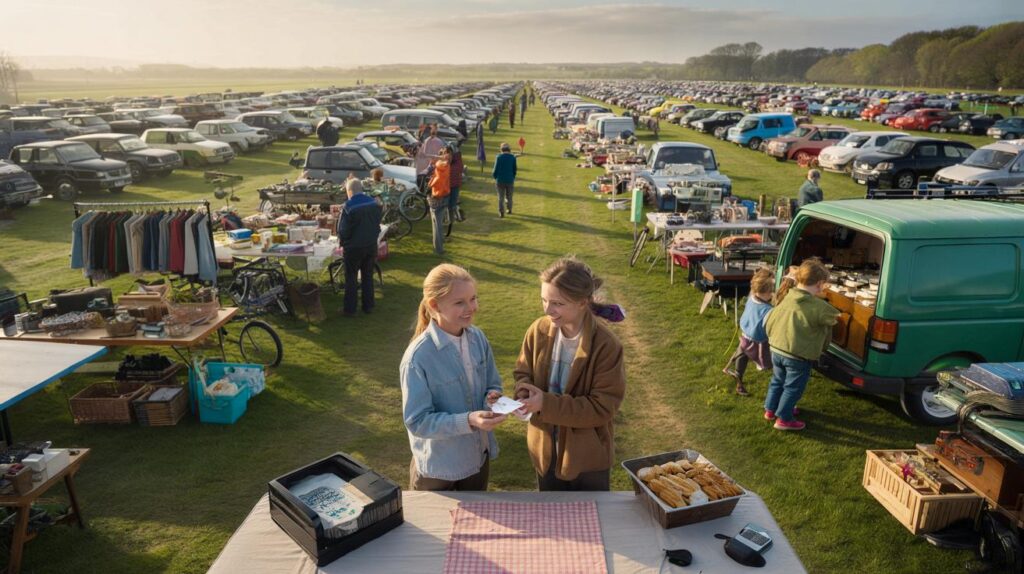
After a bruising few years for local markets, one Norfolk staple is drawing crowds again and eyeing a bigger future.
Banham Car Boot, long a Sunday habit for bargain-hunters, has rebuilt momentum since its pandemic pause. Organisers now plan to test weekly events in 2026, banking on renewed appetite for second-hand finds and a calmer, family-friendly format.
What changes in 2026
The team behind Banham Car Boot intends to switch from twice-monthly gatherings to a weekly run next season. The schedule starts with a three-month trial from April, designed to measure appetite, footfall and trader numbers. If demand holds, the organisers aim to carry on through to the end of September.
Weekly trial from April to June 2026, with the option to extend to the end of September if attendance stays strong.
That shift would mark the most frequent programme since the sale’s pre-pandemic heyday. The plan reflects a careful balance: more dates for shoppers and sellers, without sacrificing the ease and space that many regulars praised this year.
How 2025 set the stage
Banham had been Norfolk’s longest-running car boot before Covid forced a halt. After a series of late-2024 test dates, it returned as a permanent fixture this year on a twice-a-month rhythm between April and September.
The busiest day this season drew more than 100 vendors. Overall, numbers were lower than the market’s peak years, but traders reported a less frantic feel. Wider pitches and easier access made loading and browsing simpler. Many attendees favoured the calmer pace and said it encouraged more considered buying.
More than 100 sellers on the peak day in 2025, with a noticeable shift towards wider pitches and a less chaotic layout.
Why the mood has shifted
Cost and circular habits
Households have trimmed spending, and that has pushed value back into second-hand shopping. Car boots win on price, but they also tick a sustainability box. More visitors now arrive with a clear intent to re-use, repair or upcycle. That instinct cuts waste and keeps goods in circulation for longer.
Not everyone wants to sell online or ship parcels. Platforms such as Vinted and Depop suit some, but plenty of people prefer cash-in-hand simplicity, face-to-face haggling and instant collection. A weekly Banham gives those people a dependable slot to trade without faff.
Sunday ritual, local feel
For many, a Sunday car boot is a social anchor as much as a marketplace. Families browse, stallholders swap tips, and neighbours meet over tea and bacon rolls. The organisers believe that spirit helped fuel this year’s steady return, even with vendor numbers below past peaks.
What organisers say
Event lead Martin Goymour has framed 2026 as a measured step: test weekly Sundays for three months, track demand, and extend if the numbers stack up. He points to a welcome drop in crowding, which eases stewarding and allows larger pitches without squeezing corridors. Co-organiser Kiera Goymour links the comeback to a taste for simpler routines and rising awareness of the damage caused by fast fashion. Both stress that a weekly plan only sticks if it remains comfortable for families and viable for traders.
A calmer market, bigger pitches and a firm trial window are the levers the team will pull to make weekly Sundays work.
What a weekly format means for you
For sellers
- More dates mean you can test prices, rotate stock and return unsold items quickly.
- Wider pitches reported this year suit furniture, tools and bulk boxes.
- Card readers help, but many buyers still pay cash. Bring change and clear signage.
- Arrive early. Queues ease set-up. A tidy, themed layout increases conversions.
- Think seasonally: garden kit and camping gear in spring; school items late summer.
For buyers
- Weekly openings spread the crowds. You can browse at a gentler pace.
- Early birds get the rare pieces; late arrivals often nab bundle deals.
- Bring small notes and a tote. Measure spaces at home before purchasing furniture.
- Ask for demonstrations of electronics. Check zips, seams and soles on clothing and shoes.
- Reuse and repair: set a budget for alterations or spare parts before you buy.
Key dates and frequency
| Period | Status | Frequency | Notes |
|---|---|---|---|
| 2020–2023 | Paused | None | Covid disruption halted trading |
| Late 2024 | Trial dates | Selected | Tested demand before full return |
| April–September 2025 | Permanent return | Twice monthly | Peak day cleared 100+ vendors |
| April–June 2026 | Planned trial | Weekly | Review point after three months |
| June–September 2026 | Proposed extension | Weekly | Goes ahead if demand holds |
Numbers that matter
- 100+ vendors at the busiest 2025 event.
- Three months of weekly Sundays planned from April 2026.
- Potential run through late September if the trial succeeds.
How a weekly run could work on the ground
Weekly trading spreads traffic and reduces spikes that strain parking and stewarding. A consistent rhythm helps regulars plan and makes it easier for casual visitors to drop in any weekend. Traders can fine-tune stock based on what sold seven days earlier. Families get more choice of dates, which helps around holidays and sport fixtures.
There are challenges. Weather can dent turnout. Steward teams must hold standards across more dates. Waste and recycling need tight routines. The organisers’ bet is that a calmer layout and measured growth will keep the atmosphere friendly and the logistics manageable.
Consistency brings predictability: more chances to sell, fewer pressure points, and steadier traffic across the season.
What to watch next spring
Expect early assessments of stall numbers, buyer footfall and dwell time. If those metrics hold through May, continuation into late summer becomes likely. The team will also watch the balance between casual sellers clearing lofts and traders offering curated stock, as that mix shapes pricing and browsing patterns.
Shoppers should look for signals at the gate about pitch formats, queue points and any new rules on goods such as electricals, counterfeit items or age-restricted products. Sellers may see guidance on pitch widths and safe aisle spacing, which proved popular this year.
Extra pointers for making the most of it
Think of a car boot as a low-risk micro-market. Sellers can test new price points without big overheads. A simple pricing model helps: clear tags, bundle offers for similar items, and a marked “£1 box” to draw browsers. Buyers can stretch budgets by targeting categories where depreciation is steep—kids’ bikes, DIY tools, small appliances—while reserving funds for rare, well-kept pieces that hold value.
Consider the sustainability angle. One season of regular buying and selling can divert dozens of items from landfill and cut the embodied carbon in wardrobes and homes. Bring spare batteries to test devices. Carry a tape measure. Photograph the space where a potential purchase will live, to avoid costly misfits.
Health and safety deserve a nod. Pack sun cover, water and hand gel. Keep cash discreet. If you sell, avoid trailing leads and secure heavy items. If you buy, lift with care and check furniture joints before loading. Small steps protect the relaxed feel people value at Banham.



Sounds brilliant — weekly Sundays after the April–June 2026 trial? Count me in! I loved the wider pitches this year and the calmer vibe; browsing with the kids was so much easier. Just hoping parking, waste and recycling keep up if numbers grow. See you at dawn 🙂