
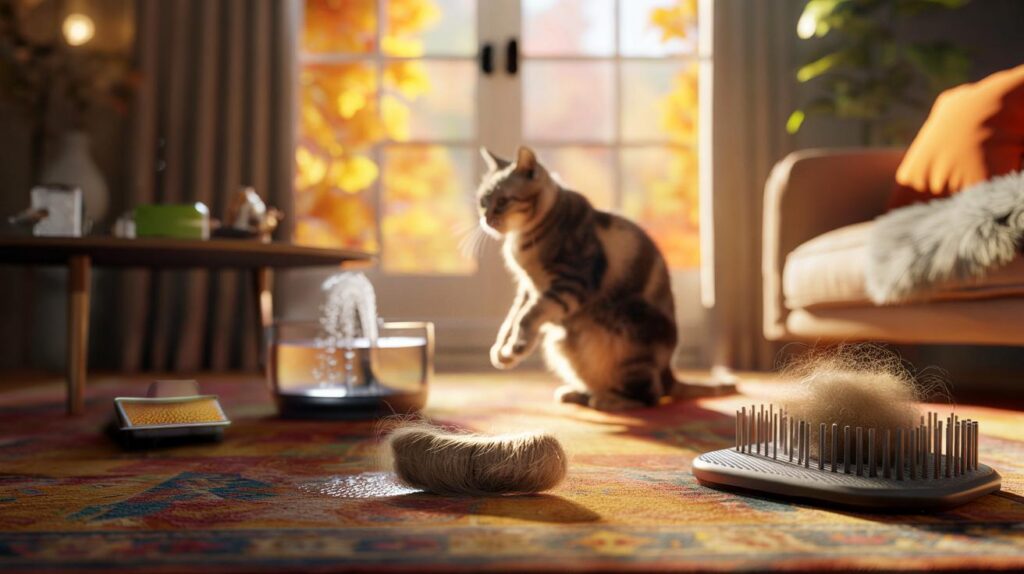
Autumn is shedding season, your cat is restless, and your rugs keep paying the price for mysterious retches at dawn.
Across the country, vets are bracing for the annual spike in hairball calls as indoor cats moult heavily and owners notice louder, more frequent hacking. The cycle starts with a lick, ends with a lump on the carpet, and hides a surprisingly precise bit of biology in between.
What your cat’s tongue really does
A miniature rake with keratin hooks
A cat’s tongue isn’t smooth. It’s covered in backward-facing, hard papillae that act like a fine grooming comb. Each stroke draws loose hair and dust off the coat, lines it up, and ferries it towards the mouth. This evolved for stealth and hygiene. A cleaner coat carries less scent and fewer parasites.
During autumn moult, loose hair multiplies. Indoor cats can shed for weeks because artificial light and stable heating confuse seasonal cues. More hair on the coat means more hair on the tongue, which means more hair swallowed.
Autumn moulting loads the coat with loose fur for several weeks, doubling the daily intake of stray hairs in many indoor cats.
Most of what goes down comes out the back as normal stools. But when intake outstrips the gut’s ability to move it along, strands mat together. The result is the classic cigar-shaped hairball, often a few centimetres long, retched up with dramatic sound effects and very little warning.
From lick to lump: the journey of hair
Swallowed hair travels with food and fluid. Insoluble fibre in the diet bulks up stools and traps hair in the mix, helping it exit. Without enough fibre, hair can linger in the stomach and tangle. Repeated grooming sessions—10 to 15 minutes at a time—raise the odds during heavy shed.
Dietary fibre acts like a conveyor belt: it binds hair, adds weight to stools, and shortens the time strands spend in the gut.
When a retch is routine, and when it is a red flag
How often is too often
An occasional hairball isn’t a crisis if your cat eats, drinks, and plays as usual. Patterns matter. Track frequency with your phone calendar to spot changes. As a rule of thumb, contact your vet if any of the following apply:
- Vomiting or hairball retching more than twice in a week
- Reduced appetite for 24 hours or longer
- Constipation, small dry stools, or straining in the litter tray
- Lethargy, hiding, or a painful, tense belly
- Retching without producing anything, especially if repeated
These signs can point to dehydration, a stubborn trichobezoar (hair mass), gastritis, or an unrelated problem that hairballs happen to reveal.
Is it a cough or a vomit
Many owners confuse coughing with hairball retching. A cough usually projects from the chest, with a wide stance, neck extended, and a dry, hacking sound; nothing comes up. Vomiting starts in the abdomen, with rhythmic squeeze-and-heave motions, salivation, and liquid or hair emerging. Recurrent coughs warrant a check for asthma, infections, or heart disease.
Prevention you can start today
The five-step plan that cuts hairball mess by half
- Brush to remove loose hair before the tongue does. Aim for 2–3 sessions a week; daily for long-haired cats.
- Feed a hairball-control recipe with higher fibre. Many effective foods sit around 6–10% crude fibre (check the label).
- Add moisture. Wet food, water fountains, and multiple bowls help move things along.
- Play more, stress less. Bored cats over-groom; 2–3 short play bursts a day often reduce compulsive licking.
- Use a grooming glove or rubber brush during peak shed to collect clumps quickly and painlessly.
Two to three brushes a week for short coats—and daily strokes for long coats—can cut swallowed hair dramatically in shedding months.
What to feed, and why fibre matters
Hair resists digestion. Fibre gives it an exit strategy. Insoluble fibres such as cellulose add bulk and stimulate gut movement. Soluble fibres such as psyllium form a gentle gel that grabs fine hairs. A blend often works best. Some owners use malt-based hairball pastes; these lubricate the mass but can add calories, so use sparingly and ask your vet if your cat has pancreatitis, diabetes, or a weight plan.
| Coat type | Brushing target | Typical crude fibre in diet | Risk level in autumn |
|---|---|---|---|
| Short hair | 2–3 times per week | 6–8% | Moderate |
| Medium hair | 3–4 times per week | 7–9% | Raised |
| Long hair | Daily | 8–10% | High |
What if nothing helps
When a hairball becomes a blockage
Rarely, a hair mass lodges and obstructs. Warning signs include repeated vomit without hair, dehydration, belly pain, constipation, and sudden reluctance to jump. Vets may advise imaging to find the mass, hydration to rehydrate the gut, prokinetic medicines, or, in stubborn cases, removal. String-like objects complicate things and can be dangerous; keep sewing kits, dental floss, and elastic bands out of reach.
Seasonal realities owners can act on
Plan the moult like you plan your tyres
Set a reminder for September and again in March to ramp up grooming. Place a brush near the sofa, keep a bin within reach, and run a sticky roller over your cat’s favourite sleeping spot each evening. Ten minutes saved from your vacuum becomes ten minutes less hair swallowed overnight.
Multi-cat households and indoor life
In homes with several cats, grooming can be social—some cats over-lick companions. Add one brush per cat, space feeding stations to reduce tension, and offer vertical perches so timid cats feel safe. Indoor-only cats face year-round shed; rotate toys and puzzle feeders to curb stress licking.
Extra detail for the curious
The tongue’s stiff papillae are made of keratin, the same protein as claws. They flare when the tongue pulls back, which is why a lick feels like sandpaper. Saliva carries microscopic skin oils through the coat, improving insulation but also helping hairs clump together once swallowed. Hydration thins that mix and eases transit.
Practical add-ons you can try
Consider a weekly “shedding session” with a deshedding tool, followed by a quick wipe with a damp microfibre cloth to lift leftover dander. If your cat tolerates it, a teaspoon of water mixed into meals twice a day nudges intake up gently. For diet changes, shift over 7–10 days to avoid tummy upsets. Keep a simple log: date, retches, hairball size estimate, appetite, stool. Patterns emerge within a fortnight and help your vet advise precisely.



Brilliant breakdown of the tongue papillae and the fibre bit. I’d seen hairballs but never tracked frequency — using my phone calender from now on. The 6–10% crude fibre tip and adding a teaspoon of water to meals are easy wins. Also didn’t know indoor lighting can mess with shed timing. Thanks for the practical checklist; my long-hair will get daily brushing, I promise. Any brand recs for a gentle psyllum blend?