
Butter shapes bakes, sauces and breakfast. One supermarket block can lift flavour, speed browning and change how pastry rises.
Across restaurant kitchens and home ovens, chefs keep returning to a handful of brands with specific butterfat levels. The winning choice sits in a narrow band that gives richer taste without tipping into heaviness or greasy textures.
What chefs are buying now
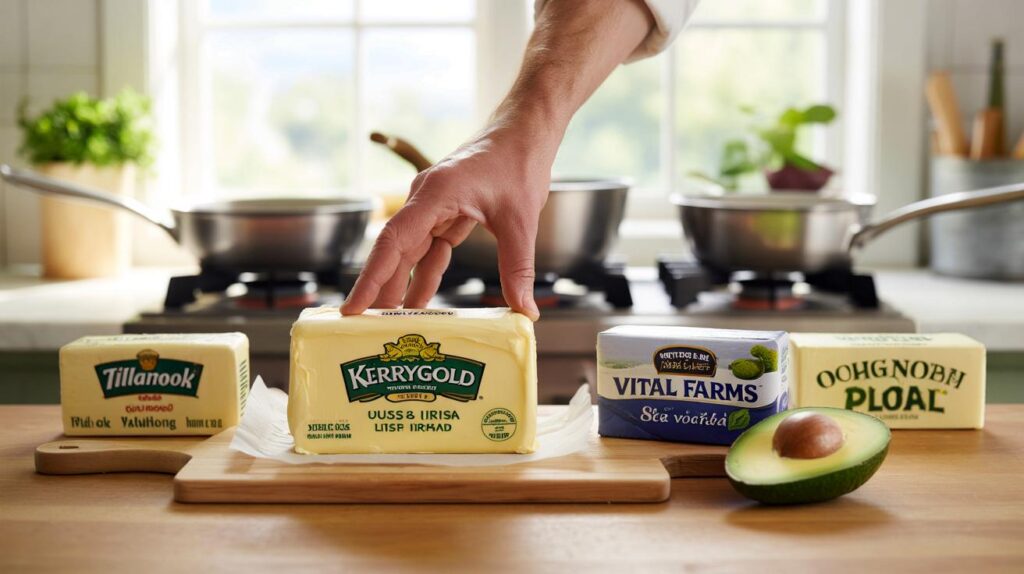
Asked to name a favourite grocery butter, four chefs landed on the same brand: Kerrygold Unsalted Pure Irish Butter. They praised its rich but clean dairy flavour, its golden colour from grass-fed milk, and a texture that spreads while still chilling firm. At 82% butterfat, the unsalted block offers more richness than the 80% American standard, yet stays nimble for baking, frying and finishing.
Chefs keep circling the same number: 82% to 83% butterfat for everyday cooking, baking and spreading.
Many professionals also favour unsalted butter to keep control of seasoning. You can salt in layers as you cook, then finish to taste. With salted butter, that balance gets set before the pan is even hot.
Why fat percentage changes everything
Butter is mostly fat, with water and milk solids doing vital work. The fat carries flavour, gives tenderness to pastry and shortbread, and helps sauces turn glossy. Water becomes steam in the oven, lifting laminated dough and puff pastry. Milk solids brown, creating nutty notes for biscuits and pan sauces.
American-style butters meet a minimum of 80% fat. European-style butters aim higher, typically around 82%–83%. That small shift changes performance. More fat means less water, so laminated doughs can stay crisp, and butter melts more evenly in a sauté pan. Push fat too high, though, and bakes risk greasiness or sluggish rise.
In practical terms, 1% to 3% more fat can mean crisper layers, cleaner browning and a fuller dairy flavour.
The challengers worth a place in your fridge
Two rivals keep pace with the frontrunner for everyday use: Tillamook and Plugrà. Both deliver a creamy mouthfeel and reliable results in pastry creams, cakes and pan sauces.
Tillamook
Tillamook’s standard butter sits at roughly 81% fat, and the Sea Salted Extra Creamy version makes a plush spread for toast, pancakes and bagels. It brings a gentle sweetness and steady melting that suits breakfast or finishing steaks.
Plugrà
Plugrà, a U.S. European‑style butter, hits about 82% fat and leans towards a deep yellow tone with a slightly sweet finish. Bakers reach for it when laminating croissants and rough puff. The brand’s moisture balance generates ample steam in the oven, helping lift layers without dulling buttery flavour.
Wild cards at both ends
Vital Farms pushes high with a Pasture‑Raised Butter with Sea Salt & Avocado Oil at 85% fat. That’s punchy on warm bread and sears mushrooms beautifully, yet can feel heavy in delicate sponges. At the other end, Organic Valley hews to the 80% U.S. standard, which suits everyday frying and home baking on a budget.
| Brand | Style | Approx. butterfat | Best for | Notes |
|---|---|---|---|---|
| Kerrygold Unsalted Pure Irish Butter | European‑style | 82% | All‑round cooking, lamination, sauces | Grass‑fed colour and flavour; easy to spread while cold |
| Tillamook Sea Salted Extra Creamy | Salted | ~81% | Spreading, finishing, breakfast | Plush texture; watch added salt in recipes |
| Plugrà | European‑style | 82% | Croissants, cakes, shortcrust | Smooth, slightly sweet; dependable for baking |
| Vital Farms (with sea salt & avocado oil) | Salted blend | 85% | Spreading, searing, finishing | Rich; can weigh down delicate bakes |
| Organic Valley | American‑style | 80% | Everyday cooking | Baseline fat level; budget‑friendly |
Salted or unsalted for your kitchen
Unsalted butter gives you control. It lets you season doughs, sauces and vegetables precisely, then adjust at the end. Salted butter works for table use and quick weekday cooking, especially if you prefer a buttery hit on toast and greens. When baking, swapping salted for unsalted can push salt over the line, so reduce any added salt by roughly 1/4 teaspoon per 115 g stick if you must substitute.
How to read the pack like a chef
- Check butterfat: aim for 82%–83% for lamination and rich cakes, 80%–81% for everyday frying and mash.
- Choose unsalted for baking and precise seasoning; keep a salted block for the table and finishing.
- Look for grass‑fed or pasture‑raised if you value deeper colour and a grassy, dairy‑forward flavour.
- Note water content clues: higher fat often means fewer splatters and crisper sautéing.
- Buy by use: don’t pay extra for 85% if you mainly bake light sponges.
A quick at‑home test you can run tonight
Set out two butters: one at 80% and one at 82%–83%. Cut equal 10 g portions. Melt each in identical pans over medium heat. Note the foam level and browning speed. The higher‑fat butter should brown a touch more evenly with fewer spitting droplets. Then bake two small shortbread batches using the same recipe, swapping butter brands. The higher‑fat version will likely taste fuller and feel shorter, with cleaner edges.
What grass‑fed really brings
Irish-style butters such as Kerrygold come from cows on grass‑heavy diets. That milk carries more beta‑carotene, which lends butter its golden hue, and a subtly meadow‑like aroma. You also get a touch more omega‑3s than grain‑led dairy, though butter remains energy‑dense. A typical 10 g pat delivers around 74 kcal and mostly saturated fat. Portion awareness matters, even when flavour sings.
Storage, softness and saving money
Butter keeps best chilled, wrapped well, for four to six weeks. Freeze spare packs for up to nine months and rotate them to avoid staleness. For spreadability, leave 50 g on a covered butter dish for the day, then refresh. To trim costs, compare price per 100 g rather than per block; European‑style butters often cost more, so reserve them for bakes and sauces where their performance shows.
Where each brand shines
Kerrygold unsalted suits laminated pastry, beurre monté, and finishing vegetables where a clean dairy note matters. Tillamook’s salted extra‑creamy block is a breakfast champion and a quick finisher for weeknight fish. Plugrà’s even moisture makes it a steady hand for croissants and enriched brioche. Vital Farms’ 85% blend rewards plating and pan sauces with sheen; keep it away from feather‑light sponges. Organic Valley provides a reliable baseline for mash, grilled cheese and everyday sautéing.
For most kitchens, one unsalted 82% block plus one salted daily spread covers 95% of recipes without compromise.
Going further: technique that boosts flavour without more butter
Browning butter unlocks hazelnut aromas for sauces and bakes. Melt 100 g over medium heat until the milk solids turn chestnut and the foam subsides, then cool before folding into cakes or drizzling over pasta. For laminated doughs, mark your butter block thickness to 1 cm and keep dough and butter within 2°C of each other to prevent shattering or smearing. A steady temperature matters as much as brand.



Switched to Kerrygold 82% for lamination and wow—the dough stayed crisp without greasy leak-outs. Totally tracks with what the chefs said.
I’m skeptical: can 1–3% fat realy change browning that much, or is this chef folklore? Anyone run the two‑pan melt test and measure temps/time?