
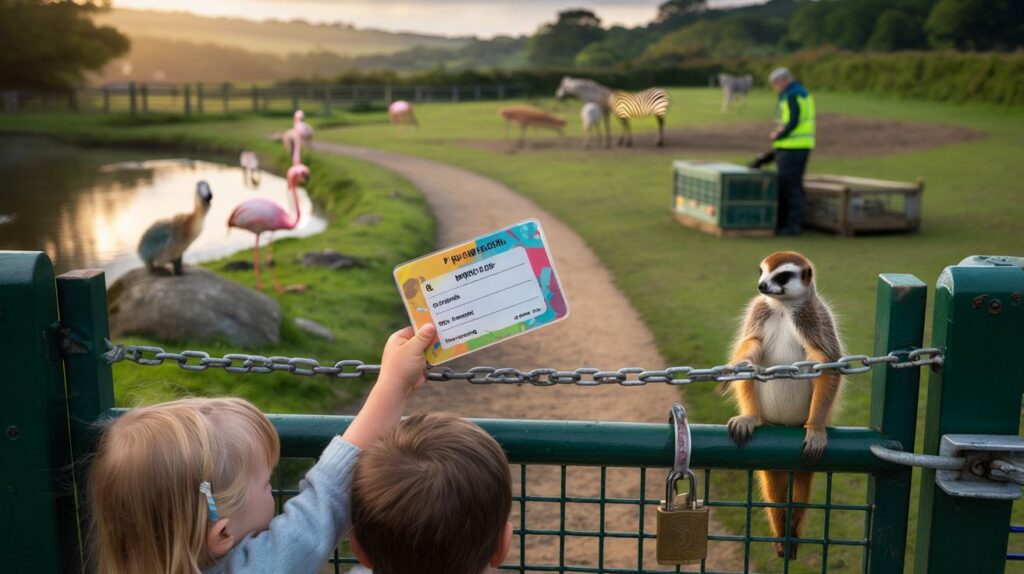
Families who fed meerkats and queued for ice creams will return to locked gates this week, as a Devon favourite fades.
A beloved wildlife attraction near Axminster will fall silent, bringing a long chapter of weekend visits, school trips and animal talks to an end. The operators say they can no longer carry the costs, and a careful plan now moves into place for the animals and for paying visitors.
What the park has said
Axe Valley Wildlife Park confirmed it will close permanently on Friday, ending a 17-year run that drew thousands of visitors. Managers described the choice as painful, driven by business realities rather than lack of affection for the site. Staff and volunteers received heartfelt thanks for their commitment, and members with active subscriptions were told they are eligible for refunds.
After 17 years in Devon, the park will shut its gates on Friday, citing financial pressures and confirming refunds for current members.
The team stressed that animal welfare sits at the centre of the closure process. Every species on site, from meerkats to zebras, will be transferred to new homes under recognised welfare rules and procedures. That work has already started, and will continue until every animal is settled.
All animals will be rehomed safely and responsibly in line with welfare procedures, with placements arranged to suit each species’ needs.
Where the animals will go
Relocations follow a careful chain. Receiving facilities need suitable space, compatible social groups and the right veterinary oversight. Moves are staggered to reduce stress and to match transport windows. Species mentioned by the park include:
- Meerkats, which usually transfer in bonded groups to maintain social structure.
- Zebras, which require secure transport crates and calm handling to prevent injuries.
- Flamingos, which travel under close veterinary supervision due to their delicate legs and specialised diet.
- Small wild cats, which need quarantine checks and secure housing on arrival.
Expect some animals to move within the region and others to travel farther, depending on availability and species-specific requirements. Paperwork typically includes health certificates, microchip verification and proof of enclosure suitability at the receiving site.
Why now: pressures facing small zoos
The closure lands in a season of strain for visitor attractions. Costs have climbed across energy, feed, insurance and staffing. Rain-hit school holidays dented gate receipts. Local attractions lean heavily on peak-season income, and a couple of poor seasons can empty reserves. Regulatory compliance and veterinary standards also require steady investment. When income fluctuates, those fixed commitments squeeze margins fast.
Signals from across Devon suggest a wider pattern. The owner of Paignton Zoo has placed the Torbay site on the market, pointing to financial pressures of its own. That move stirred debate about how smaller and mid-sized facilities can survive when everyday bills rise faster than ticket prices.
This is not an isolated case. Rising overheads and patchy visitor numbers are pushing several attractions to the brink.
Counting the costs
Running a modest wildlife park involves heavy recurring expenses. The breakdown below is illustrative, showing how costs can cluster even before any new investment is considered.
| Cost area | Typical share of annual spend (indicative) | Notes |
|---|---|---|
| Staffing and training | 35–45% | Keepers, vets, guest services, maintenance |
| Animal care and feed | 15–25% | Specialist diets, bedding, enrichment |
| Energy and water | 10–20% | Heating, pumps, filtration, climate control |
| Insurance and compliance | 5–10% | Public liability, licensing, inspections |
| Repairs and enclosures | 10–15% | Fencing, shelters, safety upgrades |
| Marketing and visitor services | 5–10% | Ticketing, signage, facilities |
When revenue falls for several months, discretionary projects stall. Deferred maintenance then loops back as bigger bills. That cycle is hard to break without fresh cash, and it can tip a small site into a permanent closure decision.
What visitors and members need to know
If you hold a membership or have tickets booked for dates after Friday, the park says it will honour refunds for active passes. Keep proof of purchase to speed the process. If you booked as a gift, the original purchaser usually needs to start the claim.
- Memberships: refunds apply to active subscriptions; gather your order confirmation and renewal date.
- Advance day tickets: contact customer services with booking reference and payment method.
- School trips: coordinators should reach out with the invoice number to discuss refunds or alternative activities.
- Animal experiences and adoptions: expect either a refund or a transfer where practical; availability depends on rehoming schedules.
- Accessibility and carers’ tickets: the same refund route applies; include any documentation you used for your booking.
- Gift vouchers: check validity dates and request reimbursement if the voucher falls within the closure period.
Parking permits, seasonal wristbands and direct debit arrangements may need separate cancellation steps. Banks can help if a direct debit continues after a service ends. Keep screenshots of any account pages or emails that display remaining months on a pass.
A community saying goodbye
Seventeen years built a strong routine for local families, carers and daytrippers. Weekends at the giraffe-height viewing decks never happened here, but small-scale encounters did: meerkat feeds, keeper chats and gentle walks past zebras and flamingos. For young children, those close-up moments define early memories of animals and care for nature.
Volunteers and staff now pivot to winding down operations. That includes animal moves, site safety and final paperwork. Many will look for new roles at other facilities, drawing on skills built over years of handling, training and public engagement. Visitors who grew up with the park will recognise those faces at other venues across the region.
What this means for Devon
Attraction closures ripple across local business. Cafés, B&Bs and farm shops near Axminster lose a steady stream of day visitors. Travel patterns shift to larger sites that can spread costs across bigger footfall, leaving smaller towns with fewer family options within a short drive. Community groups may fill some gaps with pop-up events and farm visits, but permanent animal collections are expensive to maintain.
Looking ahead: how to make your next visit count
When you plan a day out, consider the timing. Dry days in the shoulder season matter to smaller attractions. Booking ahead helps operators plan staffing and feed orders. Check whether a site runs a membership that spreads your visits across the year; that gives them a predictable income stream. If you want to support conservation work, find out how much of your ticket or donation funds habitat projects or rescue programmes, and choose accordingly.
For families wanting an animal-focused alternative, think about experiences that work even in poor weather: indoor talks, nocturnal houses, or behind-the-scenes sessions. Many venues offer short, low-cost add-ons that deepen the day without breaking the budget. A simple plan—arriving early, packing layers, and checking feeding times—turns a visit into a smoother, lower-stress outing for you and for the animals you see.



Can someone clarify the refund proccess for memberships and gift vouchers? The article says active subscriptions are eligible, but what counts as “active” if your renewal was due next week? Also, if I booked an adoption experience, do I need the original reciept or just the booking ref? Any timelines for payouts would be helpful—weeks or months?
Guess the meerkats finally get a holiday—no more paparazzi at feeding time 🙂