
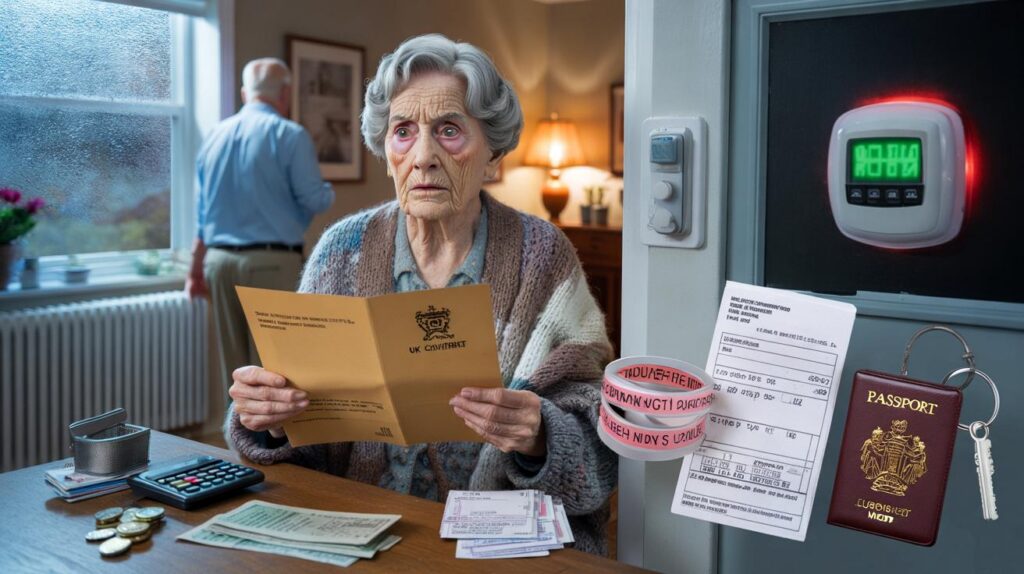
Letters are going out ahead of colder nights, but not every older Briton will see extra help land this winter.
Millions expect a seasonal boost to offset rising bills, yet the rules have quietly shifted. The Department for Work and Pensions has set firm eligibility lines, and some people who meet the age test will still miss out.
What the payment is and who it aims to help
The winter fuel payment is a one-off, tax-counted payment worth £200 to £300, designed to support older people with heating costs. The Chancellor, Rachel Reeves, has reinstated the scheme for around nine million pensioners this winter. The DWP says eligible people in England and Wales will be those born before 22 September 1959, with letters scheduled for October and November confirming individual amounts.
Born before 22 September 1959 and earn £35,000 or less? You could be in line for £200–£300 this winter.
The amount you receive depends on your circumstances, such as your age and living arrangements. The payment counts as taxable income, which matters if you are near the £35,000 threshold.
Five groups who will not receive a payment
Despite meeting the age criteria, the DWP has confirmed five situations where you will not receive a winter fuel payment this year.
Five ineligible groups at a glance
- You live outside England and Wales.
- You were in hospital receiving free NHS treatment for the entire week of 15–21 September 2025, and the same week the year before.
- Your UK immigration status requires permission to enter or remain and your leave states you have no recourse to public funds.
- You were in prison for the entire week of 15–21 September 2025.
- You live in a care home. See the additional rule below for those on certain means-tested benefits.
There is also a specific condition that affects some care home residents who receive means-tested support.
The care home and benefit rule
You will not be eligible if both of the following apply: you receive Universal Credit, Pension Credit, Income Support, income-based Jobseeker’s Allowance or income-related Employment and Support Allowance; and you lived in a care home for the whole period since 23 June 2025 (or earlier).
If you live in a care home and receive certain means‑tested benefits, you will not receive a winter fuel payment.
The £35,000 income threshold and HMRC clawback
The DWP requires that qualifying individuals have taxable income of £35,000 or less. If your income exceeds £35,000 in the tax year, HMRC will reclaim the payment through the tax system.
| Scenario | How HMRC recovers the payment |
|---|---|
| You are employed or receive a pension and pay through PAYE | Your tax code will change for the 2026–27 tax year to collect the amount |
| You complete Self Assessment | The winter fuel payment will be added to your 2025–26 Self Assessment bill |
If you are unsure of your taxable income position, keep all correspondence and check payslips or pension P60s. If your income tips over the threshold after receiving the payment, plan for a later adjustment.
How to know if you will be paid
The DWP says letters will confirm your entitlement and amount in October or November. You do not usually need to claim if you have received a winter fuel payment before. If you have not received a letter by late November and believe you qualify, you can contact the relevant helpline.
Look out for a letter confirming your entitlement in October or November before your payment is made.
Quick self-check before calling
- Age: born before 22 September 1959.
- Residence: living in England or Wales during the qualifying period.
- Status in the qualifying week: not in prison; not in hospital receiving free treatment for the full week; not restricted by immigration conditions.
- Living arrangement: care home residents face separate rules, especially when on means-tested benefits.
- Income: £35,000 or less in taxable income to avoid a clawback.
Why this matters: energy bills and household debt
Household energy debt has risen sharply going into winter. A survey indicates UK households now owe about £780 million to suppliers, the highest in eight years. Around 3.5 million homes owe money, up 46% on last year. The average debt per indebted household stands at £223, compared with £173 a year earlier.
Credit balances, which many people build up over summer to smooth winter costs, have dipped. The average household credit balance is £214 among those in credit, down from £222. More than two million low-income households, and roughly ten million homes in total, report having no energy credit saved for winter.
Ofgem data shows customers owe suppliers over £4 billion in unpaid bills, up more than £750 million year on year. The energy price cap rose by 2% on 1 October, putting a typical dual-fuel direct debit bill at around £1,755 a year in England, Scotland and Wales.
Rising arrears, thinner credit buffers and a higher price cap mean winter budgets will feel tighter for many.
Behaviour is shifting too. Many households plan to wear extra layers and lower thermostats to cut usage. Among homes with annual incomes under £20,000, 16% already owe their supplier before winter. One in ten indebted households say they cannot afford to clear what they owe, and nearly one in ten plan to switch to prepayment meters to manage arrears. Some report not being contacted by suppliers, while those who were contacted often received support or advice.
What you can do now
If you expect a payment
- Watch for your DWP letter in October or November and keep it for your records.
- Check your taxable income position for 2025–26 if you are near the £35,000 threshold.
- If you move, update your address with pension providers and the DWP so letters are not missed.
If you are excluded
- Budget for the absence of a winter fuel payment and review your direct debit level with your supplier.
- Contact your energy supplier early if you are in debt; ask about affordable repayment plans and support.
- Check separate help you might qualify for, such as discounts or hardship funds, which are assessed differently from the winter fuel payment.
Key dates and the qualifying week
The week of 15–21 September 2025 is central to eligibility checks around hospital stays and imprisonment. If you were in hospital receiving free treatment or in prison for that entire week, you will not be paid. Living arrangements on and since 23 June 2025 determine eligibility for some care home residents on means-tested benefits. Keep any documents that show where you were living and your status during those dates in case of queries.
A quick example to make sense of the rules
- A retired person born in 1957, living in Cardiff, with £29,000 in taxable income, not in hospital or prison during the qualifying week: likely eligible, with a payment of £200–£300 confirmed by letter.
- A pensioner in Swansea earning £36,500 in taxable income: may receive the payment initially, but HMRC will reclaim it through a tax code change or Self Assessment.
- An 80-year-old in a care home who receives Pension Credit and has lived there since June: will not receive a winter fuel payment because both the care home condition and the qualifying benefit apply.
Final practical pointers
Payments are automatic for most past recipients, but circumstances change. Check the age cut-off, residence in England or Wales, and the qualifying week details. If your circumstances are unusual—recent hospital discharge, a change in immigration status, or a move into or out of a care home—keep evidence and contact the relevant helpline if your letter does not arrive.
If your income is variable and could exceed £35,000, set aside funds in case HMRC adjusts your tax code or Self Assessment later. That planning can help avoid a surprise bill, especially when energy costs tend to rise mid-winter.



If my taxable income sits at £34,900 but a late-year lump sum nudges it to £35,400, does HMRC claw back the entire £200–£300 via PAYE, or is there a pro‑rata approach? Also, are these rules England and Wales only—what about Scotland and Northern Ireland?