
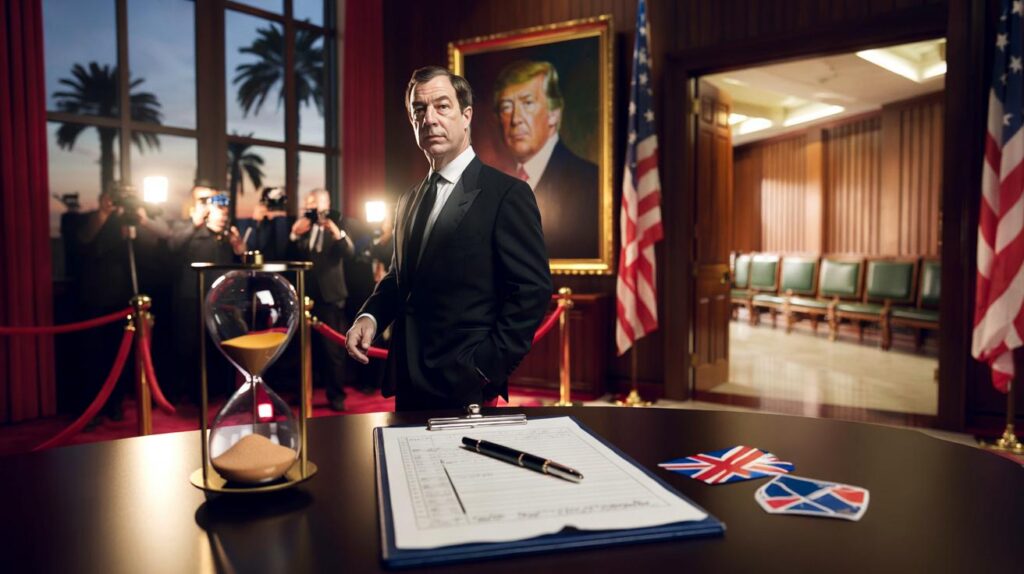
As Westminster returns to routine, a transatlantic dinner, pricey tickets and an overlooked form collide in awkward fashion this week.
Nigel Farage has acknowledged a breach of parliamentary rules after a Florida appearance linked to a high-priced Republican fundraiser, raising scrutiny over money, transparency and priorities.
What happened in Florida
The Reform UK leader headlined a Republican “Disruptors’ dinner” in Tallahassee in March, where standard seats cost $500. Promotional material offered VIP access at $25,000, with a staged photograph alongside the Clacton MP included. He missed prime minister’s questions in Westminster the day before the event.
Farage says he emailed his office the details for the parliamentary register, yet they never made it onto the public log. He plans to file a correction and send an apology to the registrar. He adds that he paid his own travel costs.
Farage says he submitted details to staff, but the trip and related fees never appeared on the public register within the 28‑day deadline.
A $500 dinner and a $25,000 photo-op
Organisers sold two tiers: a $500 seat at the dinner, and a $25,000 VIP package that included a photo opportunity. Those price points highlight the fundraising stakes and the potential for perceived influence, even if attendees meet a UK politician outside the Commons chamber.
Farage says the engagement fee arrived in three instalments over two months, without naming who paid. That omission fuels calls for clarity over any American donors, political committees or intermediaries involved.
What the rules demand
Commons rules require MPs to register any overseas visit over £300 in value that is not wholly funded by themselves or public money. They must also report any fees or payments in kind linked to the trip. The deadline is 28 days from receiving the benefit or returning from travel, whichever applies.
Under the code, transparency on who paid, how much, and when, is not optional — it is a basic duty of every MP.
Deadlines, thresholds and fees
- Register trips costing more than £300 if not wholly self-funded or paid by the public purse.
- Declare fees, hospitality and “payments in kind,” such as accommodation or travel upgrades.
- Submit entries within 28 days of receipt or return.
- Correct errors promptly and notify the Registrar of Members’ Financial Interests.
Political fallout on both sides of the Atlantic
Opponents seized on the lapse. The Liberal Democrats say voters deserve to know who bankrolled an appearance that coincided with a missed parliamentary session. Labour points to a wider pattern, alleging shifting accounts on residence and finances while constituents wait for consistent representation in Westminster.
The episode lands in the middle of Farage’s attempt to harden Reform UK’s credentials in the Commons. The optics are acute: a UK MP at an American fundraiser, a fee paid in parts, and a late declaration that should sit in plain sight for voters.
Questions about funding and focus
Two questions drive the row. First, who paid for the speaking engagement and VIP hosting? Second, why did the entry not appear within the statutory window? Farage blames an internal oversight and promises a correction. Critics say the pattern matters more than the clerical cause.
The Clacton property row returns
Scrutiny has also circled around a Clacton house associated with Farage. He initially said he bought it; later he said his long-term partner, Laure Ferrari, made the purchase. That arrangement would have avoided the higher rate of stamp duty that applies when a buyer already owns other properties, saving an estimated £44,000.
Farage’s lawyers, Grosvenor Law, cite advice from a senior barrister who concluded that stamp duty land tax (SDLT) was correctly calculated, with no improper avoidance or evasion. That opinion reduces legal jeopardy but does not end political argument over fairness and propriety.
Stamp duty, surcharges and the £44,000 figure
SDLT rises on extra properties, which triggers a surcharge. If a property sits in a partner’s name and the buyer already owns homes, the surcharge depends on ownership structure, timing and use. HMRC guidance is technical, yet the political lens is simple: will the public accept a structure that reduces a bill by tens of thousands?
| Issue | Key figure | Why it matters |
|---|---|---|
| Dinner ticket | $500 | Sets the baseline for event access value |
| VIP package | $25,000 | Signals high-value hospitality and visibility |
| Declaration threshold | £300 | Trips above this must go on the register |
| Declaration deadline | 28 days | Miss the window and you breach the code |
| SDLT saving cited | £44,000 | Raises questions about fairness, not only legality |
What happens next
Farage intends to update the register and apologise. The Registrar can accept a correction or refer the case for further scrutiny. The Standards Commissioner may open an inquiry if the facts suggest a substantive breach or if a pattern of late declarations emerges. The Standards Committee can recommend sanctions to the Commons, ranging from a formal apology to suspension, depending on severity and intent.
Speed matters. MPs who correct swiftly tend to face lighter outcomes. Full disclosure of who paid the fee, the amounts, and the dates of each instalment will shape any judgment on seriousness and transparency.
This case will hinge on three facts: who paid, how much was received and when Westminster saw the paperwork.
Lessons for every MP — and for voters
Transparency rules do not only catch grand misconduct. They police the grey zone where perception and influence sit. A photo line at $25,000 may look like theatre, yet it sends a loud signal about access and value. Voters read those signals quickly, especially when an MP skips a Commons set-piece to attend an overseas fundraiser.
Understanding the rules and the risks
Payments in kind can include flights, hotels, chauffeured travel, venue hospitality or add-on events that a host provides. Even if an MP pays for flights, a paid fee or a hosted reception can still trigger a declaration.
For a practical guide, imagine this scenario: an MP speaks at a conference abroad and receives a £2,500 fee, plus a complimentary hotel night worth £250. The MP covers flights personally. The fee alone crosses the £300 threshold and must be registered within 28 days. The hotel, as a benefit in kind, also needs to appear, even if it comes through a third party rather than the organiser.
The advantage of full and prompt disclosure is simple. It reduces suspicion, protects the MP if a story breaks later, and gives constituents a clear record of outside engagements. The risk of delay is cumulative: a late entry can collide with another unresolved issue — such as a property dispute — and create a wider narrative about judgement.
SDLT, second homes and grey areas
Stamp duty land tax becomes tricky when couples, trusts or companies are involved. The surcharge on additional properties depends on ownership across a household and on replacement rules. Legal advice can validate a calculation, yet politics rarely stops at legality. People ask whether a public figure benefited from a scheme that most families would not use. That is why clarity over who owns what, and when, matters as much as the arithmetic.
A wider question for readers
British voters often tolerate side work if it helps an MP’s expertise and stays transparent. The Florida dinner tests that tolerance with three blunt numbers: $500, $25,000 and 28. The first two show the cash value of access; the last is the window in which Parliament expects honesty. Farage now promises both a correction and names. The register will show whether those promises land in time, and in full.



If he ’emailed the office’, why did it take headlines to trigger a correction? Also, who actually paid the speaking fee and the $25k VIP photo-ops? Names and dates, please.
$500 for dinner, $25,000 for a selfie — does the entree come with a golden fork? 🙂