
Britain’s best-known baker has waded into a humble kitchen habit you repeat daily, touching food safety, flavour, and your wallet.
Mary Berry has put her name to a clear answer in the long-running “cupboard or fridge” egg debate, and food hygiene specialists agree. The guidance points to lower temperatures, steadier storage and smarter shopping — small tweaks that cut waste and keep breakfasts on track.
Mary Berry sides with the fridge
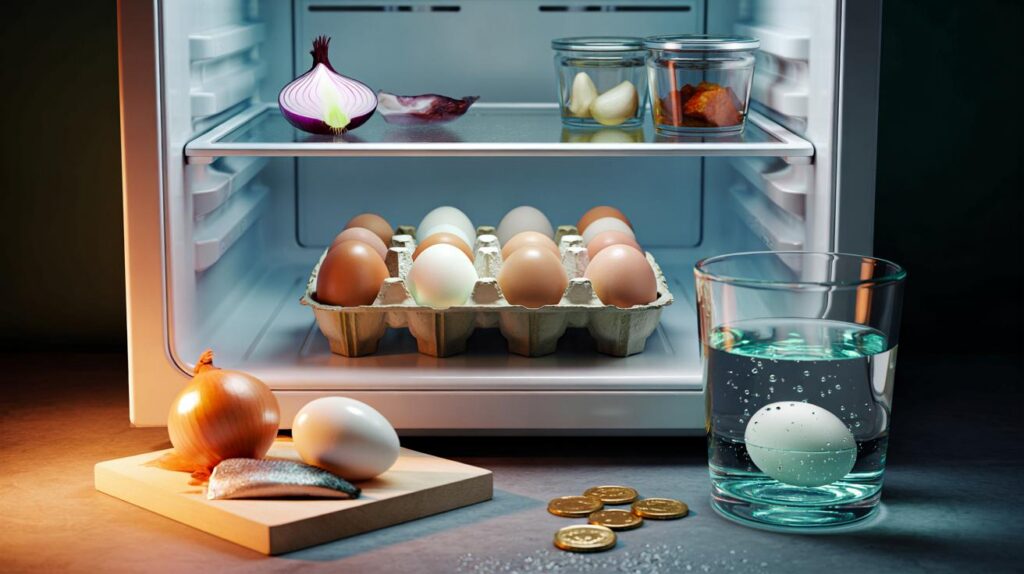
The cookery icon advises keeping eggs chilled in their original carton, away from pungent foods. She also recommends setting them point-down so the yolk stays centred, and using them within the date on the box. The message is simple: steady cold is your friend.
Keep eggs in their box on a central fridge shelf at 4°C or below. Avoid the door, where temperature swings are strongest.
Her view chimes with UK food safety guidance, which favours refrigeration at home to protect quality and reduce the chance of bacterial growth. Put plainly, cold storage slows spoilage and preserves the structure of the white and yolk.
Why cold beats the counter
Eggs deal poorly with temperature changes. Each warm–cold cycle creates condensation on the shell. That moisture can encourage bacteria to travel inwards through microscopic pores. A stable, chilled spot stops the cycle and keeps the shell dry.
Fridge doors are the worst place. They feel convenient but slam open all day, producing peaks and dips in temperature that accelerate decline and raise risk.
Central shelf, closed carton, no odours: the trio that keeps eggs fresh, firm and safe for longer.
The science behind different habits
American and British kitchens often diverge. In the US, eggs are routinely washed and sanitised before sale, which removes the protective cuticle and makes refrigeration vital. In the UK, shops usually keep eggs at room temperature, yet home fridges are recommended to ensure a consistently cool environment.
The result is a cultural split: a countertop tradition in Britain versus near-universal chilling in the States. Berry’s stance lands on the colder side of the argument, reflecting modern safety thinking and the way most households now use their fridges.
How to store eggs for taste, safety and savings
- Keep eggs in their cardboard box to shield them from fridge odours and reduce moisture loss.
- Place the box on a middle shelf, not the door. Aim for 4°C or lower.
- Store eggs point-down so the air cell sits at the blunt end and the yolk stays centred.
- Check the date on the box and rotate older eggs to the front.
- Avoid placing eggs next to strong-smelling foods such as onions or fish.
- Do not wash shells at home; water can drive microbes through the pores.
- Once chilled, keep them chilled. Don’t shuttle eggs in and out of the fridge.
- For baking, bring eggs to room temperature for 20–30 minutes, then use them immediately.
- Discard any eggs that are cracked, leaking or smell sulphurous when opened.
Freezing eggs: yes, but do it properly
You can freeze raw eggs successfully. For whole eggs, lightly beat to combine white and yolk before freezing. A small pinch of salt helps if you plan savoury cooking; a touch of sugar suits sweet recipes. Freeze whites on their own with nothing added. Label portions by quantity.
Berry suggests eggs hold well in the freezer for up to six months, though most cooks prefer to use them within four for best texture. Defrost on the counter until just thawed, then cook straightaway. Egg-based dishes — quiches, custards and mousses — also freeze well if wrapped tightly.
| Storage place | Typical temperature | Guidance on time and quality |
|---|---|---|
| Central fridge shelf (in box) | 4°C or below | Use by the date on the box; quality stays higher with steady cold |
| Fridge door | Variable | Not advised due to temperature swings and faster spoilage |
| Room temperature | Above 20°C possible | Not recommended at home; quality and safety decline more quickly |
| Freezer (prepared as above) | -18°C | Up to 6 months; aim for 4 months for best results |
Buying better: labels, welfare and dates
When you shop, the Red Lion stamp on British eggs signals high safety standards and strong traceability. Labels also reveal how hens were kept: organic, free-range, barn or caged. Many consumers prefer organic or free-range for welfare and flavour reasons.
Choose the longest use-by date available, and lift the lid to check for damage before you pay. A single cracked shell can contaminate nearby eggs. Store the box upright in your trolley to avoid knocks.
What about baking and room temperature?
Bakers often like eggs slightly warmer for lighter sponges and smoother emulsions. Take only what you need out of the fridge, leave them on the counter for 20–30 minutes, then use at once. Do not leave eggs lingering on a warm worktop for hours. Return any spares to the fridge promptly.
What this means for families
Cold storage cuts waste. Many households throw away eggs that smell off or separate badly when cracked. Keep them chilled and you extend their useful life to the date on the box, which means fewer bin trips and better breakfasts.
The savings add up. If your household bins half a dozen organic eggs in a week because they’ve turned, that could be around £3 gone. Move the box from the door to the centre shelf and you keep that money in your pocket while improving safety.
Extra checks and simple tests
Need a quick freshness check? The classic float test gives clues. Place an egg in a glass of cold water. If it sinks and lies flat, it’s fresh. If it stands upright, it’s older but often usable when fully cooked. If it floats, air has entered the shell and the egg is likely past it; discard it. Always crack into a separate bowl first and judge by smell and appearance.
For vulnerable people — young children, older adults, those pregnant or with weakened immunity — choose British eggs with the Red Lion mark and keep to the fridge rule. Cook thoroughly if you have any doubt about age or handling.
Backyard hens and home-laid eggs
Keep shells dry and unwashed. Wipe visible dirt with a dry paper towel. Once you refrigerate home-laid eggs, continue to refrigerate them. Date the box so you know what to use first, and follow the same point-down, central-shelf routine.



Switched my eggs from the door to the middle shelf last month and it actually made a diff—no more weird whiffs and the whites whisk better. The point-down tip is new to me; I’d always plonked them any old way. Also, keeping them in the carton stops them soaking up onion odours (learnt that the smelly way!). Mary B still teaching us basics, love it. Will stick to 4°C temprature and stop shuttling them in/out.
My fridge-door egg rack is officially fired.