
Brits are moving for work, love and rising rents. Your cat hears tape tearing and panics. Keep paws steady through change.
As daylight shortens and radiators click on, house moves spike and nerves do too. Cats crave scent, routine and safe perches. A winter relocation can jangle those instincts fast. Here is a clear, humane plan that protects whiskers, furniture and sleep while you unpack.
Why a winter move can rattle even a chilled cat
Cats map their world through smell, texture and predictable rhythms. Boxes erase familiar odours. Doors swing. Strangers carry sofas. Cold air creeps under frames. Many pets hide, skip meals or try a dash for the stairs when the front door opens. The fix is not magic. It is timing, repetition and clever staging.
For a cat, smell equals a map. Save the map, and you save their confidence.
Step one: set the den days before you pack
Turn the carrier into a safe room
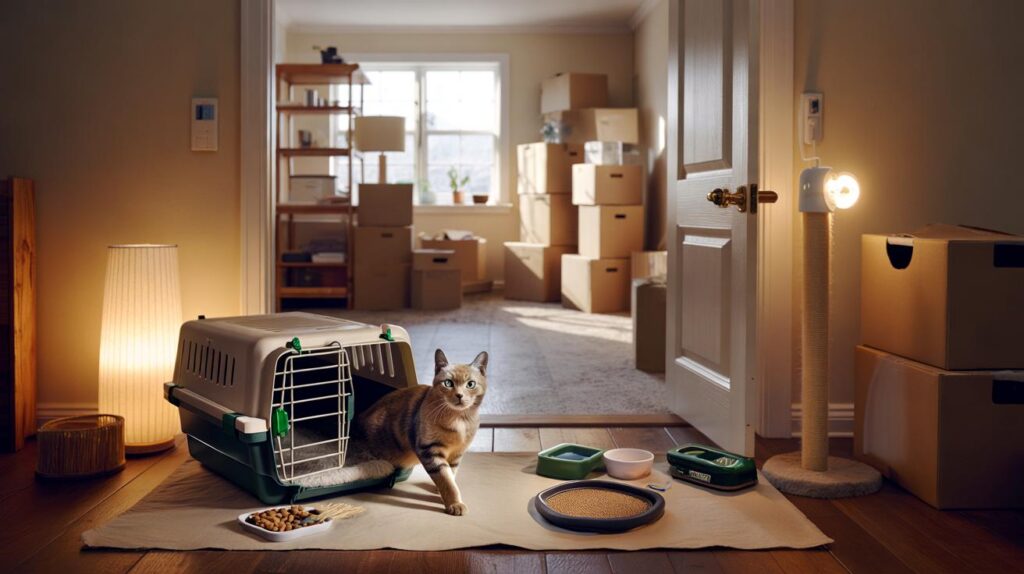
Leave the carrier open in a lived‑in space at least five days before move day. Line it with a worn T‑shirt and a favourite blanket. Feed small treats at the entrance, then inside. Clip the door briefly for seconds, then minutes, while you stay nearby. You build trust, not a trap.
- Rub a soft cloth over your cat’s cheeks, then dab that scent on the carrier edges and bed.
- Drop one toy and one chew inside; rotate daily to keep curiosity high.
- Place a litter tray, water and a scratching post within two metres of the carrier to anchor a mini‑territory.
- Start a pheromone diffuser in the chosen room 48 hours before departure.
Let your cat inspect boxes and bags as they appear. Sniffing and marking early prevents a shock later when everything smells of tape and cardboard. Keep feeding times rigid. Keep play sessions short and daily.
Step two: game day without the panic
Choose one quiet room and label it out of bounds for movers. Close the door and, if needed, add a clear note. Set up carrier, food, water, litter, bed and a hiding cube. Draw curtains to soften noise and movement outside.
Contain before you load, release after you unload. Doors stay shut until the van leaves or arrives.
Feed a small meal two to three hours before travel to reduce nausea. Keep the same food, the same litter and the same bowls. Speak softly and keep touch predictable. If your cat startles at footsteps, play low ambient noise or radio to mask thumps and voices. For nervous pets, pheromone sprays on a blanket can take the edge off. Avoid new treats on the day; novelty can upset stomachs when adrenaline runs high.
Step three: zone the new home for 72 hours
Do not release a cat into the whole house at once. Build three zones and step through them with intent. This staged approach prevents bolt‑for‑the‑gap moments and builds confidence on home turf.
| Zone | Set‑up | Time window | Goal |
|---|---|---|---|
| Safe room | Carrier, bed, litter, water, food, hiding spot, pheromone diffuser | Hours 0–24 | Decompress, eat, use tray, rest on familiar fabrics |
| Buffer zone | Door ajar, stair‑gate if needed, supervised access to one more room | Hours 24–48 | Slow exploration, scent mapping, calm returns to safe room |
| Whole home | Open routes, high perches near windows, stable litter and feeding spots | Hours 48–72 | Confident patrols, naps in new sun patches, routine resumes |
Place the tree near a window but away from draughts. Tuck the litter tray in a quiet corner, not next to a washing machine. Scatter two or three fabric items from the old home around doorways and skirting boards. Invite play at the same hour as before. Keep visitors low for the first two days.
Feed, play, rest, repeat at the old times for one full week. Predictability lowers cortisol.
Step four: routine, monitoring and small wins
Stick to the previous timetable for meals and interactive play. Maintain the same brand of food and litter for at least seven days. Offer two or three short play bursts daily to drain nervous energy and build positive associations in new rooms.
Watch the dashboard of feline stress
- Appetite: a skipped meal on day one can happen; two skips need a call to the vet.
- Litter habits: straining, repeated visits or urine outside the tray signal distress or medical pain.
- Grooming: over‑licking the belly or thighs points to anxiety.
- Hiding: long stints are normal at first; refusal to emerge for 24 hours needs a reset to the safe room.
- Vocalisation: new yowls can mean fear; soothe with presence and routine, not punishment.
Reward tiny breakthroughs. A sniff at the threshold earns praise. A stretch in a new patch of sun earns a play session. Confidence grows when the cat chooses to explore, not when you carry them from room to room.
Your move toolkit: what to prepare and what it may cost
A little planning beats frantic fixes at 7pm with a door ajar. These basics cover most households.
- Plug‑in pheromone diffuser (30–40 GBP for starter kit)
- Hard‑sided carrier with top and front openings (35–70 GBP)
- Two familiar blankets or towels (use your own to carry scent)
- Temporary stair‑gate or baby gate for buffer control (20–40 GBP)
- Extra litter tray and a week of the same litter (10–25 GBP)
- High‑value treats your cat already knows (3–6 GBP)
Seasonal realities: winter specifics you should plan for
Cold snaps change behaviour. Cats seek warmth and may squeeze behind boilers or fridges. Block gaps wider than two fingers with folded cardboard until furniture settles. Dark evenings mask escape attempts; add a door rule that one person manages entries and exits. Keep ID tags current. Check microchip details before moving day, not after a scare.
Travel choices, sedation debates and when to seek help
Most cats travel best when awake, secure and surrounded by their scent. Many vets now advise against routine sedatives for car journeys because they can disorientate pets and disrupt balance. Anti‑nausea tablets or calming supplements can help selected cases, but only on professional advice. Trial a short drive a week before the move to see how your cat copes.
If your pet refuses food for more than 24 hours, pants, drools heavily or shows aggression that feels new, ring your veterinary practice. Pain can hide beneath stress. Early support prevents a downward spiral.
Multi‑cat households and outdoor access
For two or more cats, expand slowly and feed apart to prevent tension. Offer one litter tray per cat, plus one extra. Swap bedding between cats to share scents. Delay outdoor access for at least three weeks, then start with a harness session in the garden or a supervised 10‑minute wander after a meal. Choose release times when traffic and fireworks are unlikely.
A practical example you can copy this week
Day minus 5: carrier out, pheromone on, treats inside, play by the carrier. Day minus 2: safe room set, boxes in hall, feeding on schedule. Move day morning: small meal, cat in safe room, sign on door. Arrival: safe room rebuilt first, cat released there, lights low. Next morning: breakfast at old time, five‑minute explore, then back to base. Day three: open the rest of the home, add a new perch, keep meals clockwork. By the weekend, most cats patrol, nap and ask for play where you least expect it.



This 72‑hour, three‑zone plan is the first moving guide that actually feels doable. Turning the carrier into a “safe room” days ahead is genius, and the ‘contain before you load’ rule solved our last‑minute door chaos. I’d add: pre‑label the safe room box as FIRST UNPACK so bedding isn’t lost. Thank you—genuinly helpful.
Curious about the sedation bit—our vet reccomended low‑dose gabapentin for a previous move and it reduced vomiting and panic. You say many vets advise against routine sedatives; do you have sources or criteria for when it’s contra‑indicated vs helpful? Not trying to nitpick, just want to balance safety with stress reduction on a 5‑hour drive.