
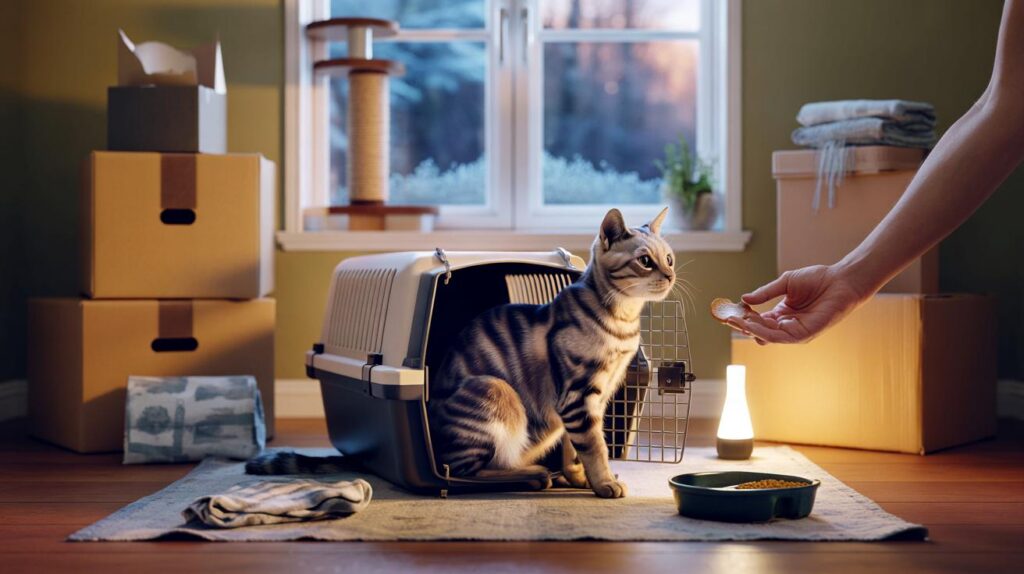
Cold evenings, stacked boxes, a wary pair of eyes under the sofa. Moving season tests even the steadiest feline bonds.
As homes change hands and rentals turn over before winter, cats face a sensory upheaval. Scents fade, doors open, strangers carry boxes. A focused four-step plan spread across 72 hours helps most households avoid escapes, night-time yowls and shredded curtains, while keeping whiskers — and nerves — intact.
Why moves unsettle cats
Cats map the world through scent, routine and vantage points. Remove odours and rearrange furniture, and their mental map collapses. Many show stress by hiding, over-grooming, skipping meals or slipping through a gap when the front door swings open. Winter adds shorter days and less outdoor time, so indoor stability matters even more.
Think scent, safety and sameness: protect familiar odours, control access, and keep key routines unchanged for three days.
Step one: turn the carrier into home territory
Most cats learn that the carrier means disruption. Change that story a week before the move by making it a predictable, pleasant fixture.
Make it visible
Place the carrier in a living space, door off or open. Put it where the cat already rests, not in a cold hallway.
Load it with scent
- Line with a well-used blanket or pillowcase from their favourite sleeping spot.
- Add a T‑shirt you’ve worn at least half a day.
- Rub the fabric on cheeks and chin areas where your cat face-marks.
Reward calmness
Toss treats in, play “treat drops” twice daily, and feed one snack inside. Short, positive moments create a safe association.
What to avoid
No last-minute ambushes, no new bedding on moving day, and no air fresheners near the carrier. Novel smells cancel the comfort effect.
Leave the carrier out for 7 days before you travel. Familiarity beats force every time.
Step two: defuse moving-day chaos
On the day, treat your cat like a VIP with a private suite. One closed room cuts noise, foot traffic and door-dashing risk.
Set up a safe room
- Room kit: carrier, litter tray, water, food, scratching post, bed, toys, and a worn blanket.
- Sign the door: “Cat inside — keep closed”. Brief movers and family.
- White noise or a low radio masks bangs and voices.
Keep routines identical
Do not change food brand, bowl placement, or litter substrate. Keep feeding times and cuddle slots as close to normal as possible. Familiar patterns anchor behaviour when everything else shifts.
Soften the edges
Use a pheromone diffuser or spray 30 minutes before the rush begins. Offer a lickable treat after loud phases like furniture loading. Speak softly and handle confidently; hesitation can spook a sensitive cat.
Travel without drama
- Withhold large meals three hours before the car ride to reduce nausea.
- Secure the carrier with a seat belt; never open doors roadside.
- Ventilate, avoid direct heat, and take a brief quiet break after an hour on longer journeys.
Step three: introduce the new home by zones
Arrival is not a victory lap. Start small, build confidence, and expand only when curiosity returns.
Create a base room
Choose a quiet room as headquarters. Place the litter tray away from food and water. Add a vertical perch near a window and one covered hiding spot. Open the carrier and let your cat emerge on their own timetable.
Re-seed the scent map
- Scatter familiar textiles across beds and chairs before opening the carrier.
- Gently rub soft cloths along the cat’s cheeks, then wipe low along skirting boards and door frames in the base room.
- Delay deep cleaning of these areas for several days.
Expand territory gradually
When eating, grooming and using the tray normally, unlock one new room at a time. Keep new doors closed between sessions. Watch for tail position, ear set and appetite as your guide.
| When | What to do | Why it helps |
|---|---|---|
| T‑7 to T‑3 days | Carrier conditioning, scent loading, stable feeding times | Builds positive associations and predictability |
| Moving day | Safe room, unchanged supplies, short calm check‑ins | Prevents escapes and panic spikes |
| T+0 to T+24 hours | Base room only, soft lighting, quiet voices | Reduces sensory overload |
| T+24 to T+72 hours | One new room per session, daily play, treat trails | Rebuilds confidence with controlled novelty |
| After T+72 hours | Full access if eating, grooming and toileting are normal | Signals stable adjustment |
One room, then one more. Controlled access prevents setbacks far better than constant reassurance after a scare.
Step four: protect routine and track wellbeing
Structure reduces worry. Keep mealtimes, play windows and bedtime cuddles consistent. Offer two short play sessions daily to burn off nervous energy and restore positive associations with the new rooms.
Monitor the essentials
- Appetite: a skipped meal can be normal; more than 24 hours needs attention.
- Litter habits: straining, diarrhoea or avoiding the tray signals stress or illness.
- Grooming: over-licking patches, especially the belly or inner thighs, shows tension.
- Hiding: brief retreats are fine; all-day hiding needs a slower pace and extra cover.
Contact your vet about anti-nausea options for travel or gentle anxiety aids if previous moves triggered major distress. Sedatives need individual assessment; never trial a new medication on the day.
Safety checks and seasonal realities
Before free roaming indoors, secure tilt-and-turn windows, balconies and cat flaps. Update microchip details with the new address the week you move. Keep the cat indoors for two weeks before supervised outdoor reintroductions, then step out together first, using a treat recall.
Winter conditions dry the air and amplify static shocks, which some cats dislike. Provide extra water stations, a humidifier if heating runs hot, and warm bedding away from radiators. Store de‑icer, cleaning sprays and antifreeze well out of reach; even small amounts can harm a curious licker.
Multi-cat households and neighbour cats
For two or more cats, duplicate resources: one litter tray per cat plus one extra, and at least two feeding stations in separate zones. Rotate scent by swapping blankets between rooms for a day before reintroductions. If neighbour cats patrol close to windows, raise perches above sightlines and use frosted film on lower panes to reduce visual pressure.
Costs, time and when to seek help
- Budget £30–£60 for pheromones, extra trays and fresh scratching posts.
- Set aside 20 minutes twice daily for play and scent work during the first three days.
- Ask a trusted friend to guard the safe-room door while movers load heavy items.
Call your vet promptly if vomiting persists, the cat stops eating for 24 hours, or you see painful urination. Rapid support prevents minor stress from spiralling into medical problems.
Going further: training, enrichment and travel drills
Target training with a clicker makes movement between rooms smoother. Teach “go to mat”, “touch” to your hand, and a recall cue with high-value food. Two minutes, twice a day, builds cooperation quickly.
For longer car trips, rehearse: buckle the carrier, start the engine for two minutes, reward, and stop. Extend to five and ten minutes on alternate days. Most cats accept the routine within a week when the carrier already feels like home.



This is the first moving guide that actually feels doable—“one room, then one more” is genius. Bookmrking for our December move; the scent map tips are new to me. Thanks for the calm, practical tone.
Bold claim on ‘cut stress by 60%’. How was that quantified? Any peer‑reviewed data on pheromone diffusers vs. just saturating the carrier with familiar textiles?