
Your breakfast routine might be wasting money and flavour. A familiar kitchen habit many Britons swear by is facing a rethink.
The long-running question over where to keep eggs has flared again, and Mary Berry has weighed in. Her kitchen rules point squarely to chilled storage, echoing food hygiene guidance and offering practical tips that home cooks can apply today.
Mary Berry tips that favour the fridge
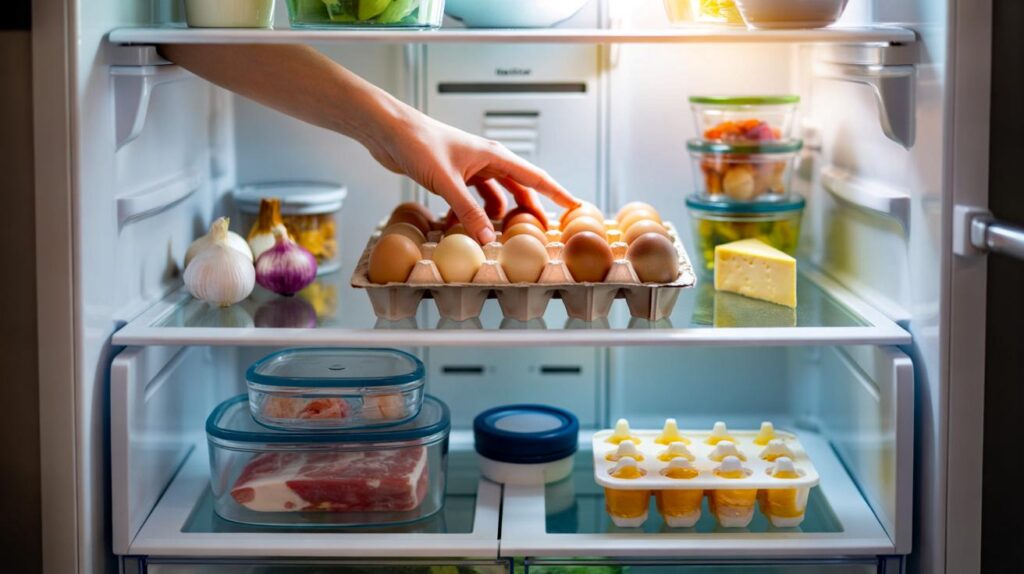
Mary Berry’s cookbooks make one thing plain: eggs keep best when cold. She advises storing them in their box in the refrigerator and away from strong-smelling foods. The shell is porous. Aromas from onions, garlic or fish can creep in and spoil the taste.
Position matters. The central shelf offers consistent cold. The fridge door swings, warms up, and cools down again. That fluctuation speeds up deterioration and raises the risk of bacteria multiplying on condensation that forms on the shell.
Food hygiene specialists deliver the same message. Keep eggs at a steady 4°C or lower. Avoid temperature shocks from worktops to chill and back again. A steady cold chain preserves quality and reduces food safety hazards.
Keep eggs in their box on a middle shelf at 4°C or below. Not in the door. Not next to strong odours.
One small technique helps bakers. Rest shells pointed end down. The yolk stays centred in the white, which gives more even results for poaching or when separating whites for meringues. Always respect the use-by date shown on the box.
Why fridge storage divides opinion
British households often leave eggs on the counter. American kitchens almost always refrigerate. That split has roots in different supply chains. In the United States, eggs are washed and chilled soon after collection, which removes a natural protective layer and drives the need for refrigeration. In Britain, Lion-marked eggs come from hens vaccinated against salmonella and the shells are not washed, so supermarkets can display them at room temperature. Even so, cooling them at home keeps them fresher for longer and limits flavour taint.
Room-temperature display in shops does not mean room-temperature storage at home. Chilling slows down spoilage and keeps quality high.
Freezing eggs without fuss
Freezing works when you plan ahead or face a glut. Mary Berry notes that raw eggs freeze well and remain usable for up to six months. For the best texture and taste, aim to use them within four months.
- Do not freeze eggs in the shell; crack them first.
- For whole eggs, beat lightly to combine yolk and white before freezing.
- Add a small pinch of salt for savoury cooking, or a little sugar for baking. Whites need nothing added.
- Label the container: whole, yolks, or whites; number of eggs; date.
- Thaw at room temperature in a covered bowl. Cook immediately after thawing.
- Egg-based dishes such as quiches, custards and mousses can also be frozen and reheated safely.
Freeze beaten eggs, label clearly, and aim to use within four months for peak results; six months remains acceptable.
Where to put them in the fridge
Place the egg box on a middle shelf, towards the back for stable cold. Avoid the salad drawer if it tends to become damp. Keep eggs away from strong cheeses, cured meats, onions and garlic to prevent aroma transfer. Return unused eggs to the fridge promptly after baking.
Do not wash shells. Rinsing can force water and bacteria through the pores. If a shell is dirty or cracked, avoid using it in raw or lightly cooked recipes.
Buying eggs: labels and what they tell you
The British Lion stamp remains the marker to look for. It signals food safety standards applied across the supply chain. You will also see farming methods listed on boxes: free-range, barn, caged, or organic. Welfare standards tend to be higher for organic and free-range eggs, and many cooks rate their flavour more highly.
Scan the dates on the shelf and pick the longest use-by available. Open the box before paying and check shells for damage. A hairline crack can allow bacteria to reach the contents. Choose intact shells, then keep them cold and dry when you reach home.
Look for the Lion stamp, choose the longest date, check for cracks, and keep eggs cold from the moment you buy them.
The science behind the chill
Egg quality drops as the albumen thins and the air cell grows. Cold temperatures slow both processes. A steady 4°C helps the white stay firm and the yolk hold its shape. That means neater poached eggs, better emulsions, and more consistent bakes.
Moisture on a cold shell can be a problem. When warm kitchen air meets a chilled egg, condensation forms. That water can carry microbes across the shell’s pores. Minimise this by storing eggs cold from the start and avoiding the fridge door, where swings in temperature are greatest.
Simple checks and kitchen safety
- Trust dates and storage rather than folk tests. The “float test” hints at age, not safety.
- For runny yolks, choose British Lion eggs and use within date.
- For vulnerable people, cook eggs until both yolk and white are set.
- Keep raw and ready-to-eat foods apart to avoid cross-contamination.
- Wash hands after handling raw egg and clean surfaces straight away.
Quick reference for storage methods
| Method | Temperature | How to store | Notes |
|---|---|---|---|
| Fridge | 4°C or below | In the box, middle shelf, away from strong odours | Best balance of freshness, flavour and safety |
| Room temperature | 18–21°C | Cool, dry spot; avoid heat sources and sunlight | Quality fades faster; switch to chilled storage at home |
| Freezer | -18°C | Crack and beat; salt for savoury, sugar for sweet | Use within four months for best results; up to six months acceptable |
What this means for your kitchen
If your eggs live on the worktop, a small change could pay off. Keep them in their carton, move them to the middle shelf, and set your fridge to 4°C. That steady chill preserves texture, supports safer cooking, and reduces food waste. Place the box away from foods with strong aromas. Stop using the door rack for eggs, even if the plastic tray invites you to do so.
Planning a big bake or an omelette habit? Batch-freeze beaten eggs in small containers of one or two eggs each. That makes portioning simple and reduces the chance of leftovers going to waste. Label clearly, thaw on the day you need them, and you have a ready supply for scrambles, cakes or custards without last-minute dashes to the shop.



Finally a clear answer—middle shelf, not the door. I’ve been doing it wrong for years; no wonder my eggs tasted a bit oniony. Thanks for the practical tips and the 4°C target—setting my thermostat now.
Six months in the freezer—really?