
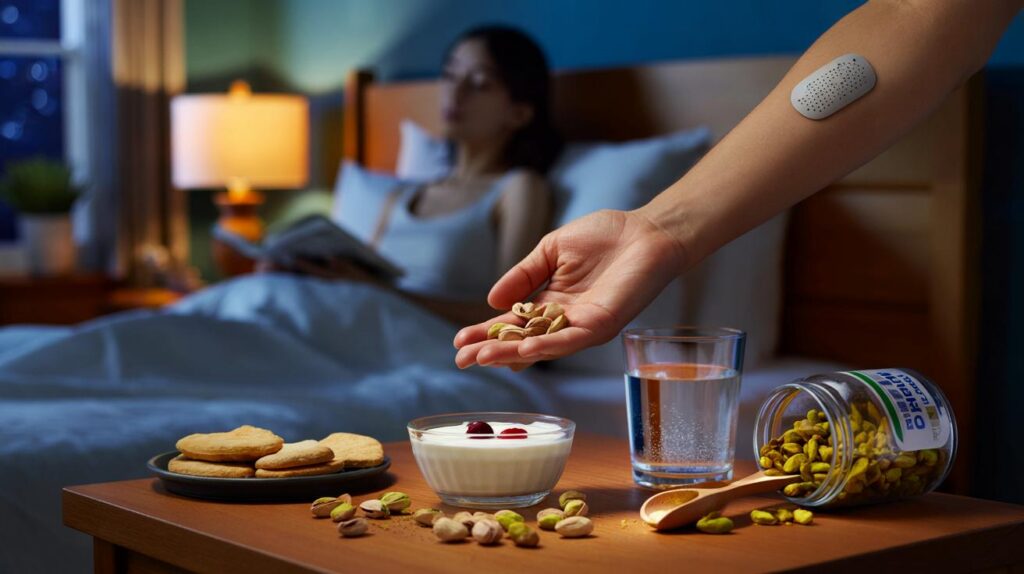
Brits are quietly changing their night-time nibble, and the shift has less to do with fashion than with biology.
A crunch driven by the Dubai chocolate craze has sent pistachio demand soaring, yet the green kernels’ true pull lies elsewhere. Nutrition scientists are zeroing in on what a small, regular handful before bed might do to your gut microbes — and, by extension, to the low-grade inflammation that shadows modern life.
The late-night nut that’s stirring science
Pistachios have become a proxy for smarter snacking. Far from an indulgence, they carry fibre, polyphenols and antioxidants that bacteria in the gut ferment into short-chain fatty acids. Those fatty acids, such as butyrate, are linked with a calmer immune system and stronger gut lining. That matters at night, when your body shifts into repair mode and the microbiome follows a daily rhythm.
Swap toast or biscuits for a handful of pistachios at night and you feed the microbes that help dial down inflammation.
One US trial of 51 adults reported that eating pistachios in the evening changed the make-up of gut bacteria — but only in people with pre-diabetes. The work, published in Current Developments in Nutrition, suggests late-night pistachios may be most useful where metabolic risk is already present. A separate 2023 paper in Foods found pistachios tend to lift levels of helpful bacteria more than other nuts.
What the latest research is really saying
- Night-time pistachios modified the microbiome in adults with pre-diabetes, not in those with normal glucose control.
- Replacing a carb-heavy snack, such as toast or biscuits, with pistachios appears to shift the balance towards bacteria that produce short-chain fatty acids.
- These fatty acids are associated with reduced intestinal inflammation and better barrier integrity.
Small, steady changes matter: a consistent night-time portion can nudge the microbiome in a favourable direction over weeks.
Why pistachios suit your gut
Pistachios bring several gut-friendly levers in one handful. The fibre content supplies prebiotic fuel for species such as Bifidobacteria and Lactobacillus. As those microbes ferment fibre, they generate butyrate, propionate and acetate, which support the gut lining and modulate immune activity.
- Fibre: about 3g per small serving, contributing to the UK’s 30g-a-day guideline.
- Polyphenols: plant compounds that your microbes break down, shaping which species thrive.
- Antioxidants: tocopherols (vitamin E) and lutein help counter oxidative stress in the gut.
- Healthy fats and protein: they slow digestion, carrying nutrients further along the intestine where fermentation happens.
- Lower sugar and emulsifiers than biscuits or many packaged snacks, if you choose plain, unsalted nuts.
The combination of fibre, polyphenols and healthy fats makes pistachios a rare snack that works with your microbes, not against them.
How to try it tonight
Portion, timing and pairing
Keep it simple: aim for a small handful (think a cupped palm). Choose unsalted, unflavoured kernels. Eat them 60–90 minutes before bed to avoid reflux, especially if you lie down soon after eating. If you like a little more substance, pair with plain yoghurt or a few berries to add extra prebiotic carbs without a sugar spike.
- Chew well to aid digestion and satiety.
- In-shell nuts slow you down, helping portion control.
- Drink water; fibre works best with adequate fluid.
Who might benefit most
People with pre-diabetes or a habit of late-night nibbling could notice the biggest shift. Replacing refined carbs with pistachios trims sugar and starch while adding fibre and micronutrients. Shift workers who eat later may also find the steadier release of energy helpful for night-time satiety.
What you can expect — and what you shouldn’t
No nut fixes inflammation overnight. Microbiome changes build gradually, often over several weeks of regular intake. Many people report less bloating from ultra-processed snacks, steadier cravings, and better portion control thanks to the chew and crunch of nuts. If your goal is metabolic health, the bigger win comes from what pistachios displace — biscuits, crisps or jammy toast — rather than from calories alone.
| Snack | Added sugar | Emulsifiers | Approx fibre per small serving | Salt |
|---|---|---|---|---|
| Toast with jam | Yes | Rare | Low | Low–moderate |
| Biscuits | Yes | Common | Low | Low–moderate |
| Crisps | No | Sometimes | Very low | High |
| Pistachios (unsalted) | No | No | About 3g | Low |
Risks, caveats and smart swaps
Allergies come first: avoid pistachios if you react to tree nuts. If you are sensitive to FODMAPs, start with a smaller portion as pistachios can cause bloating for some at higher amounts. Choose unsalted or lightly salted varieties if you watch your blood pressure. Store nuts airtight and away from heat to protect their fats from turning stale.
Trying to manage weight? Pistachios remain energy-dense, so portion cues help. In-shell nuts are useful because shelling naturally slows eating and leaves a visual cue of how much you’ve had. If late eating triggers reflux, shift your snack earlier in the evening and sit upright for a while after.
The bigger picture on night-time inflammation
Inflammation ebbs and flows with circadian rhythms. Giving your microbes fermentable fibre at night may support the production of short-chain fatty acids when your body is repairing tissues. That doesn’t replace daylight movement, varied plants, and good sleep — it complements them. A gut-friendly evening routine could include a brisk walk, a fibre-rich dinner, and that small, savoury handful before lights out.
Think of pistachios as a nightly nudge. They ask you to trade refined carbs for fibre, to favour whole foods over additives, and to work with your microbes. For many readers staring down rising blood sugars or restless snacking, that is a change you can make today, measure over weeks, and keep for the long haul.



Swapping biscuits for pistachios before bed is the nudge I needed—love the microbiome angle. Any guidnce on how “small” a handful is for someone ~60kg?
I’m skeptical: a 51-person trial sounds small. How confident are we that the benefits aren’t just from removing refined carbs? Any statitical controls for overall diet quality and sleep?