
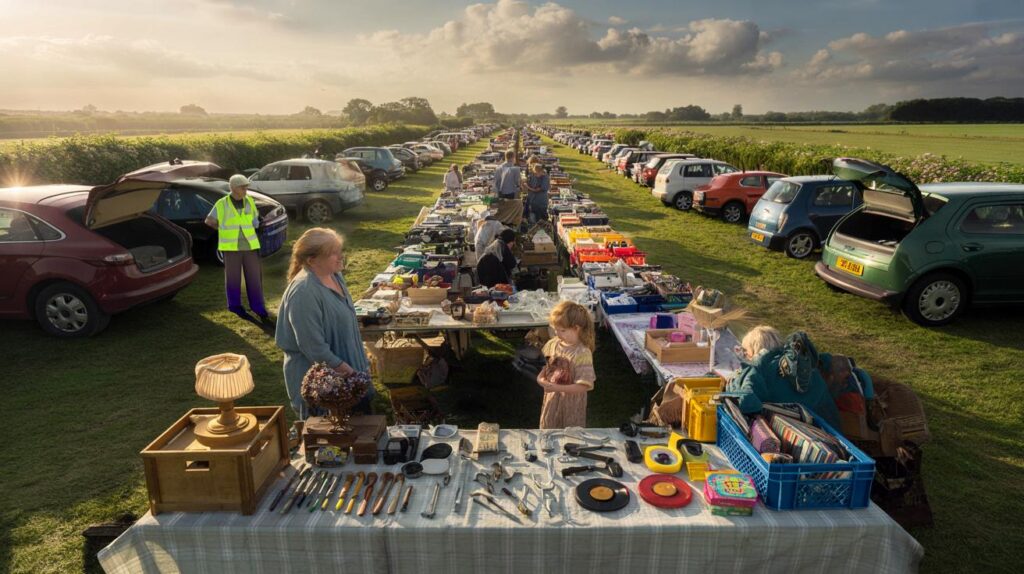
Rummage lovers, pencil in your calendars: a familiar field in Norfolk is stirring again with second-hand bargains soon for you.
Shoppers and sellers across south Norfolk face a lively new routine next year, as one of the county’s best-known community markets prepares a bigger run. The organisers behind Banham Car Boot aim to scale up after a steady return, inviting locals to plan for a string of Sunday mornings filled with deals and neighbourly chatter.
What’s changing in 2026
Banham Car Boot will shift from occasional dates to a weekly rhythm in 2026, subject to a spring trial. The plan follows a careful rebuild. The event paused during the pandemic, tested limited dates at the end of 2024, then re‑established regular slots across 2025. Attendance stabilised, stallholders returned, and the team now feels confident enough to raise the tempo.
From April 2026, organisers will run a three‑month weekly trial. If demand holds, the season will continue through to the end of September.
The market used to be among Norfolk’s stalwarts. The pandemic broke that run, and a smaller format reintroduced the habit. The 2025 season operated twice a month between April and September, drawing more than 100 vendors on its busiest day. That figure helped persuade the team to test a weekly pattern, while keeping the practicalities in view.
| Detail | 2025 | Planned 2026 |
|---|---|---|
| Frequency | Twice monthly, Apr–Sep | Weekly Sundays, with Apr–Jun trial |
| Peak vendor count | 100+ on the busiest day | To be monitored during the trial |
| Pitch policy | More relaxed sizing than pre‑pandemic | Similar approach planned |
| Decision point | Post‑season review | June assessment for an extension to September |
Why the return matters to shoppers and sellers
Car boot culture in Britain thrives on routine, value and sociability. Sundays provide time to browse, haggle and swap tips. Banham taps that habit. Families arrive early, hunt for toys and tools, and leave with a boot full of finds. Sellers clear garages, pay for a pitch, and turn clutter into cash.
The organisers say fewer vendors than in the past have created calmer aisles and roomier pitches. Buyers can move, compare and think before spending.
The shift suits today’s tastes. Reuse is gaining ground as budgets tighten and sustainability counts. A solid coat, a set of spanners or a vintage lamp keeps its life, avoiding a trip to landfill. Many bargain hunters prefer face‑to‑face deals to listing fees and parcel queues. Not everyone uses apps such as Vinted or Depop, and a field in Banham offers a simple, cash‑friendly alternative.
A calmer, bigger‑pitch set‑up
Pre‑pandemic crowds often meant jammed aisles and strict pitch lines. The revived format eases the squeeze. Wider layouts make browsing less rushed. Sellers can spread items, label boxes and engage with buyers. That change has encouraged returning stallholders who favour a measured pace over frenzy.
Green habits meet great deals
Second‑hand shopping supports a circular mindset. Extending the life of a jacket or mixer saves resources. Local events reduce transport miles compared with hauling goods for long distances. Buyers avoid packaging waste and pick up tips on repairs. Communities gain from a market that recycles money and goods close to home.
How the 2026 trial will work
The team behind Banham Car Boot will use the April–June trial to judge appetite for a weekly calendar. They will watch seller numbers, parking flow and buyer footfall. They plan to keep the relaxed pitch approach while reviewing any pinch points as numbers grow.
- Weekly Sundays are planned from April to June 2026, weather allowing.
- An assessment in June will determine whether to run through to late September.
- Pitch sizes should remain flexible to keep browsing comfortable.
- Vendor guidance, pricing and on‑site facilities will be confirmed closer to spring.
- Updates will consider access, signage and stewarding as volumes rise.
Expect the same friendly feel, with an eye on smoother parking, clear layouts and an emphasis on straightforward reuse.
Tips to make the most of it
For buyers
- Arrive early for first pick of collectables, tools and children’s kit.
- Bring cash and small change for quick haggling and faster queues.
- Carry a reusable bag or crate for heavier items and to protect delicate finds.
- Check items carefully and ask sellers about condition or missing parts.
- Dress for fields and forecasts, and plan parking time into your morning.
For sellers
- Sort stock into clear categories, and price visibly to invite offers.
- Use a pasting table or tarpaulin to lift items off the ground.
- Bundle small goods, such as books or toys, to boost turnover.
- Keep a float of coins and notes in a secure waist pouch.
- Photograph your best pieces for social posts the night before to attract local buyers.
What locals near the site should know
Weekly traffic brings steady movement on Sunday mornings. Stewards usually manage entry, but patience helps at peak times. Residents may prefer to plan errands outside the opening hour. Car sharing reduces pressure on lanes and cuts emissions. Signage and marshals will adapt to flows as the trial progresses.
What the numbers say about demand
The busiest 2025 day topped 100 vendors, which signals resilient interest for a rural market. The organisers note that today’s stallholder count runs lower than the old peak, which can improve the browsing experience. The trial will test whether a weekly cycle spreads attendance rather than diluting it, and whether consistent dates build a habit for families who schedule weekend routines months ahead.
Questions readers are asking
- When will dates be published? Expect a spring schedule once on‑site checks finish.
- Will dogs be allowed? The policy will be clarified in pre‑season guidance.
- How much will a pitch cost? Fees will be set before April and signposted with booking details.
- What happens in poor weather? The team will communicate postponements based on ground conditions.
Why Banham’s model fits now
Cost‑conscious families seek value without hassle. A weekly market removes guesswork. The same Sunday slot makes planning simple. A calmer format invites newcomers who may have avoided dense crowds. The environmental angle resonates with parents teaching children to trade, repair and reuse. Sellers appreciate predictable footfall and a relaxed pitch policy that rewards presentation.
Extra context for first‑timers
Car boot markets sit at the crossroads of thrift and community. Regular dates create routine, and routine builds trust between sellers and buyers. A good stallholder learns the local tastes and brings stock to match. A savvy buyer sets a budget, scans quickly, and circles back for final decisions. Both sides share a chat that online platforms rarely match.
Preparation raises the odds of a good day. Sellers can trial simple signage, such as “everything £1” boxes that move volume. Buyers can set theme goals, like tools for a home project or winter layers for growing children. A wet‑weather plan helps: a cheap gazebo, plastic sheeting or sealed boxes protect stock and save a wasted morning.



Count me in for the weekly run—bring on the vintage tools!
Weekly is great on paper, but won’t it just split the crowd and make Sundays feel a bit meh? Prove me wrong, Norfolk 🙂 Also please fix parking—last year was… chaotic.