
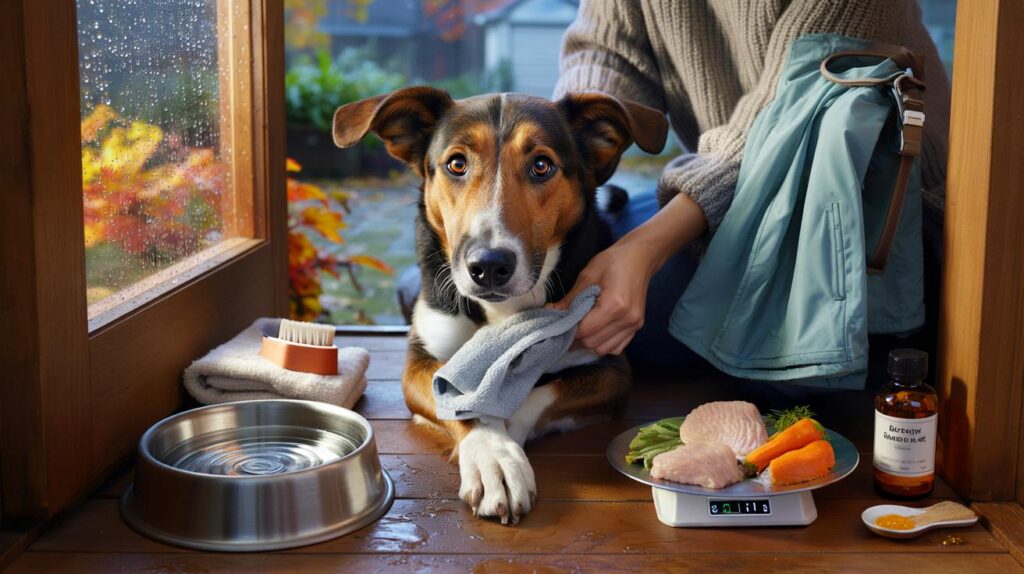
Rain, mud and shorter days pile up on your dog’s defences, yet small daily habits can change the season’s script.
As damp mornings return, many owners ask the same question: how do we keep our dogs resilient without gimmicks or fads? Vets point to routine. Food, movement, rest, hygiene and stress control form the backbone. The gains build quietly, day after day.
Why autumn puts dogs on the back foot
Cold snaps, longer darkness and wet parks increase pathogen contact. Puddles carry microbes. Soggy ears invite yeast. Drafty rooms disturb sleep. Shifts in walking times create stress. The immune system works harder to keep pace.
Autumn exposes dogs to more moisture, fluctuating temperatures and crowded play areas. Consistent routines help the immune system hold its line.
Clinics often see more itchy skin, gastric upsets and coughs once the weather turns. That does not mean illness is inevitable. It means the margin for error shrinks. Owners who tidy up the basics usually see steadier energy and fewer flare-ups.
Food as frontline defence
The bowl that builds antibodies
Protein powers antibody production. Lean animal proteins support muscle repair and barrier tissues. Gentle fibres from rice or cooked vegetables keep the gut calm. Balanced fats deliver energy without inflammation.
- Proteins: chicken, turkey, fish or veterinary-approved alternatives matched to age and activity.
- Fibres: cooked carrots, pumpkin or rice for stool quality and microbial balance.
- Fats: measured portions; avoid grease. Add omega‑3 from fish oil or rapeseed oil when advised.
- Micronutrients: vitamin E and zinc support skin, coat and immune signalling.
One bowl, three wins: steadier antibodies, a calmer gut, and less background inflammation.
What to skip without regret
- Highly processed treats with excess salt or sugar. They push inflammation and thirst.
- Grain overload that bloats portions without quality protein.
- Table scraps that carry spices, fat and onion or garlic traces.
- Stale water. Refresh the bowl after walks, especially after muddy play.
Weigh meals. Adjust portions for weather and activity. A kitchen scale beats guesswork. If your dog needs a dietary change, plan it over a week so the gut adapts.
Move, then let them sleep
The two-to-three walk rule
Short, regular walks reduce illness days by maintaining circulation, lymph flow and mood. Aim for two to three outings split across the day. Keep pace lively, not frantic. Mix sniffing with trotting to stimulate the brain and the body.
Rain need not cancel play. Choose routes with safe footing. Towels at the door save carpets and skin. A coat helps short-haired or elderly dogs maintain warmth without shivering.
Rest is the silent multiplier
Deep sleep restores tissues and resets stress hormones. Offer a thick, dry bed away from drafts and doorways. Stick to a lights-out routine. Many adult dogs need 12 to 14 hours across each day, including naps.
Fitness happens on the move; resilience consolidates in sleep.
Vaccines, hygiene and small routines
Prevention beats chasing symptoms
Current vaccinations reduce the risk of severe disease, especially when social spaces get busy and wet. Keep boosters on schedule. Ask your vet about local risks and timing before travel or kennelling.
The six-minute check after wet walks
- Rinse and dry paws to remove grit, road salt and microbes.
- Pat-dry ears, especially in floppy-eared breeds, to deter yeast growth.
- Brush the coat to lift debris and spot ticks or hotspots early.
- Wash bowls daily; hot soapy water breaks biofilms.
- Launder bedding weekly at high temperature to reduce mites and odours.
Stress control is immunity control
Spot the red flags before they snowball
- Compulsive licking that creates raw patches.
- Sudden barking or pacing without clear triggers.
- Restlessness at night or unusual daytime sleepiness.
Use predictable cues around meals and walks. Rotate chew toys and puzzle feeders to channel energy. Gentle scent work at home tires the mind and lowers stress reactivity. A calm dog allocates more resources to frontline defence, not firefighting.
Nine daily tweaks you can start today
- Measure meals with a scale; set protein at the centre of the bowl.
- Add a teaspoon of fish oil for a medium dog if advised by your vet.
- Refresh water after every walk; clean the bowl each evening.
- Schedule two brisk walks and one sniff-heavy stroll for mental balance.
- Place a thick, dry bed away from radiators and drafts; keep bedtime regular.
- Rinse paws, dry ears and brush the coat after wet play.
- Train a two-minute settle cue to lower arousal before guests or deliveries.
- Use a weekly checklist to track weight, stool quality and energy.
- Check the vaccination record; book due boosters before the busy season.
A day plan that fits real life
| Time | Action | Why it helps | Time cost |
|---|---|---|---|
| 07:30 | Measured breakfast with protein and gentle fibre | Supports antibodies and steady energy | 5 minutes |
| 08:00 | Brisk walk with sniff breaks | Boosts circulation and reduces stress | 25 minutes |
| 12:30 | Puzzle feeder or scent game | Engages brain; lowers anxiety | 10 minutes |
| 18:00 | Wet‑weather rinse, ear pat‑dry, brush | Removes microbes; protects skin and ears | 6 minutes |
| 22:00 | Lights‑out routine, calm bed space | Consolidates immune repair | — |
When supplements help, and when they do not
Fish oil can aid coat and immune signalling. Dose by weight, not guess. Too much can loosen stools and alter clotting. Choose products with clear EPA and DHA values. Vitamin E supports skin but should not exceed safe limits. Zinc helps keratin and barrier function; excess competes with copper and brings new problems.
Probiotics may ease sensitive guts. Pick strains proven for dogs, not general supermarket blends. Transition with food. Track stool and comfort over two weeks. Stop if gas or cramping appears.
Supplements fill gaps; they cannot fix a weak routine. Start small, track changes, and get veterinary guidance for dose and duration.
Context that sharpens your choices
Breed and age change the equation. Short‑coated breeds lose heat fast in wind and rain. Seniors need shorter, more frequent outings and deeper bedding. Puppies meet microbes everywhere; vaccination timing and safe socialisation matter more in wet months.
Parasites shift with weather. Slugs and standing water raise specific risks in some regions. Keep deworming and tick control on plan. Clean up after your dog to reduce environmental spread. Indoor heating dries skin, so regular brushing and balanced fats protect the coat during heating season.
Track trends rather than hunches. Weigh your dog monthly. Feel ribs under a light fat cover. Note coat shine, stool shape and morning eagerness. Small drifts signal when to adjust food, walks or rest before illness takes hold.
If your dog’s energy crashes, cough lingers, or skin eruptions recur, book a timely vet check. Simple tests can flag hidden strains like low‑level infections, parasites or dental pain. Early fixes protect the immune budget and keep your routine working.



Loved the “one bowl, three wins” idea—finally a simple framework I can stick to. Measuring with a kitchen scale made portions more consistent, and my lab’s coat already looks shinier after two weeks. Thanks!
Do you have citations showing that short, regular walks reduce illness days? Sounds plausable, but I’d like actual data (studies or vet guidelines) rather than anecdotes.