
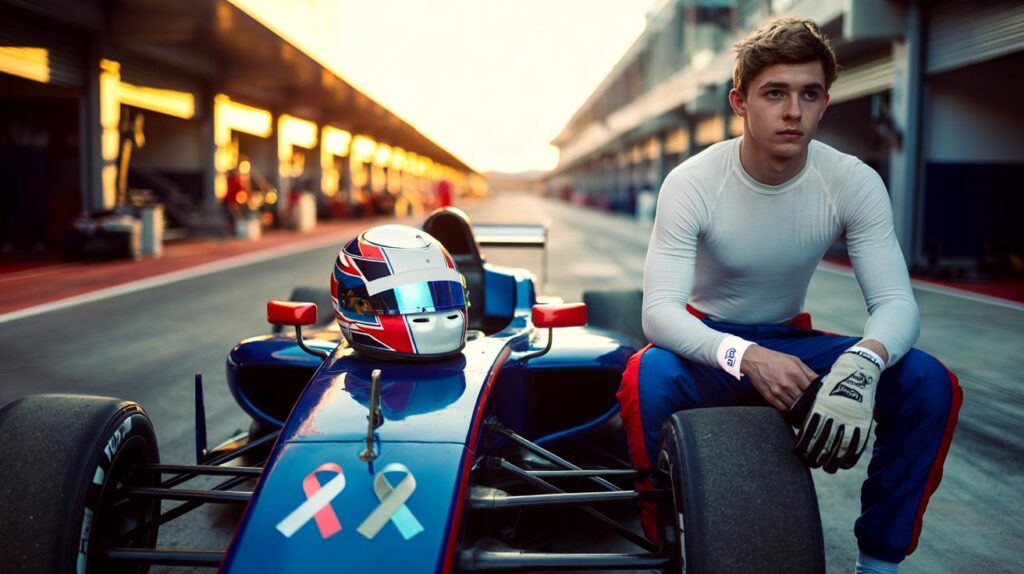
A rising British single-seater talent has halted a promising campaign, leaving fans and rivals unsettled as the paddock rallies.
British teenager Will Macintyre, 18, has stepped away from racing after doctors diagnosed both brain and lung cancer. The GB3 driver shared the news on social media, thanked medical staff at Milton Keynes Hospital and said he plans to return once fit.
A stark message from an 18-year-old on the rise
Macintyre told followers that recent months felt “off” and that tests confirmed the cause. He has paused his season and prioritised treatment. He also promised that his racing ambition remains intact.
Will Macintyre, 18, confirms he faces brain and lung cancer and steps back from competition to begin treatment.
Support poured in within minutes. Fellow prospects Jak Crawford, John Bennett and Sebastian Montoya were among the first to respond publicly. The GB3 paddock has also sent messages to his family.
The Instagram post that stopped a season
Macintyre’s message avoided dramatics. He set out the facts, thanked doctors and emphasised a fightback. He framed the diagnosis as a detour, not a full stop. The Milton Keynes Hospital team has prepared a treatment plan, and he says he already feels the benefit of a clear route forward.
“The second I’m able to, I’ll be back behind the wheel.” The aim is a return, not a farewell.
Career paused, not ended
The timing hurts. The Norfolk-born racer has been a consistent front-runner in GB3. He finished fifth overall in 2024 with three wins and six podiums. In the 2025 campaign, after six races, he sat fifth again, 11 points behind fellow Brit Deagen Fairclough. Alex Ninovic currently leads the standings with six victories.
Three wins, six podiums, back-to-back P5 in the GB3 points. The numbers show a genuine prospect.
Results that marked him out in GB3
- 2024 GB3 season: P5 overall, 3 victories, 6 podiums
- 2025 after six races: P5, 11 points behind Deagen Fairclough
- Championship leader: Alex Ninovic with 6 wins
- Team: Elite Motorsport
- Hometown: Wroxham, Norfolk
Elite Motorsport echoed his determination in a statement. The team highlighted his resilience, confirmed that treatment has begun, and pledged full support for his recovery. They also underlined that his passion for racing remains unchanged and that the garage door stays open for his return.
What we know about the next steps
Macintyre will focus on treatment at Milton Keynes Hospital. The immediate plan likely involves therapies that place heavy demands on the body. That can impact reaction times, stamina and sleep. Drivers in similar positions often park simulator work, gym plans and travel to reduce strain.
Hospital specialists have set a plan. Family, friends and the team form the support grid around him.
Team and community backing
Elite Motorsport framed the diagnosis as a challenge to be met together. Messages from the junior single-seater scene show the same tone: solidarity and patience. No pressure. No deadlines. Just a clear runway for recovery.
Macintyre’s stance helps set expectations. He avoids speculation, protects his privacy and leaves the door open to a comeback. That approach matters for young athletes who fear losing momentum. Teams value character as much as lap time. Sponsors tend to look long term when a talent has obvious potential and a record of results.
What it means for GB3 and for young athletes
When a front-runner steps away, the championship map shifts. Opponents gain points opportunities. Teams readjust test schedules and car allocation. But the broader picture sits beyond grid positions. Junior racing deals with real life, and paddocks often close ranks when a driver faces a health fight.
Motorsport history offers perspective. Billy Monger rebuilt his career after life-changing injuries and returned to podiums in single-seaters. Robert Kubica fought back from severe arm injuries to race again in Formula 1. Medical cases differ, but these stories show how a determined athlete, a structured plan and a patient support system can create a route back to elite competition.
Facts that help frame the challenge
- Young adults can face complex cancers, though incidence remains low compared with older groups.
- Treatment plans often combine surgery, radiotherapy and chemotherapy, adapted to tumour type and location.
- Side effects can affect concentration, balance and reflexes, all crucial in motorsport.
- Recovery timelines vary widely and depend on response to therapy, rest and tailored rehabilitation.
Why his message matters to fans
Fans often see only the lap times. Macintyre’s post reveals the person behind the helmet. He thanked medical staff by name and kept the language clear. Many young readers following his path into karting and GB3 will recognise the value of asking for help early when something feels wrong.
He chose clarity over silence. That gives supporters a way to show care without crowding his space.
What you might see next
Expect fewer updates while treatment begins. Elite Motorsport will likely keep communication focused on support rather than results. If he feels strong enough, he might appear in the paddock later in the year to visit the team. That decision will depend on health, not the calendar.
Beyond the headlines: practical context for readers
For young athletes balancing study, training and travel, prolonged fatigue or persistent symptoms deserve attention. A basic rule helps: if something feels different for weeks, speak to a GP. Early conversations often lead to quicker reassurance or faster specialist care. Friends and family can help by reducing pressure, handling logistics and maintaining normal routines when possible.
Recovery plans for drivers typically blend medical treatment with incremental return-to-performance steps. These may include light cardio, balance work, reaction drills and, only when appropriate, short simulator sessions. Coaches can taper workloads to avoid setbacks. The goal is return of health first, race fitness second, car speed last. That order protects long-term prospects.
Macintyre’s numbers tell a simple story. At 18, he has already banked wins, podiums and respect in GB3. He sits 11 points from a fellow Brit in the standings and has a leader with six wins ahead of him. None of that disappears. It waits. And when he says he’ll be back behind the wheel, the paddock believes him.



Health first, laps later. Take all the time you need, Will—paddock points can wait; people can’t.
Headlines asking if he’ll race in 2025 feel premature tbh. Let him breathe and heal; speculation helps no one.